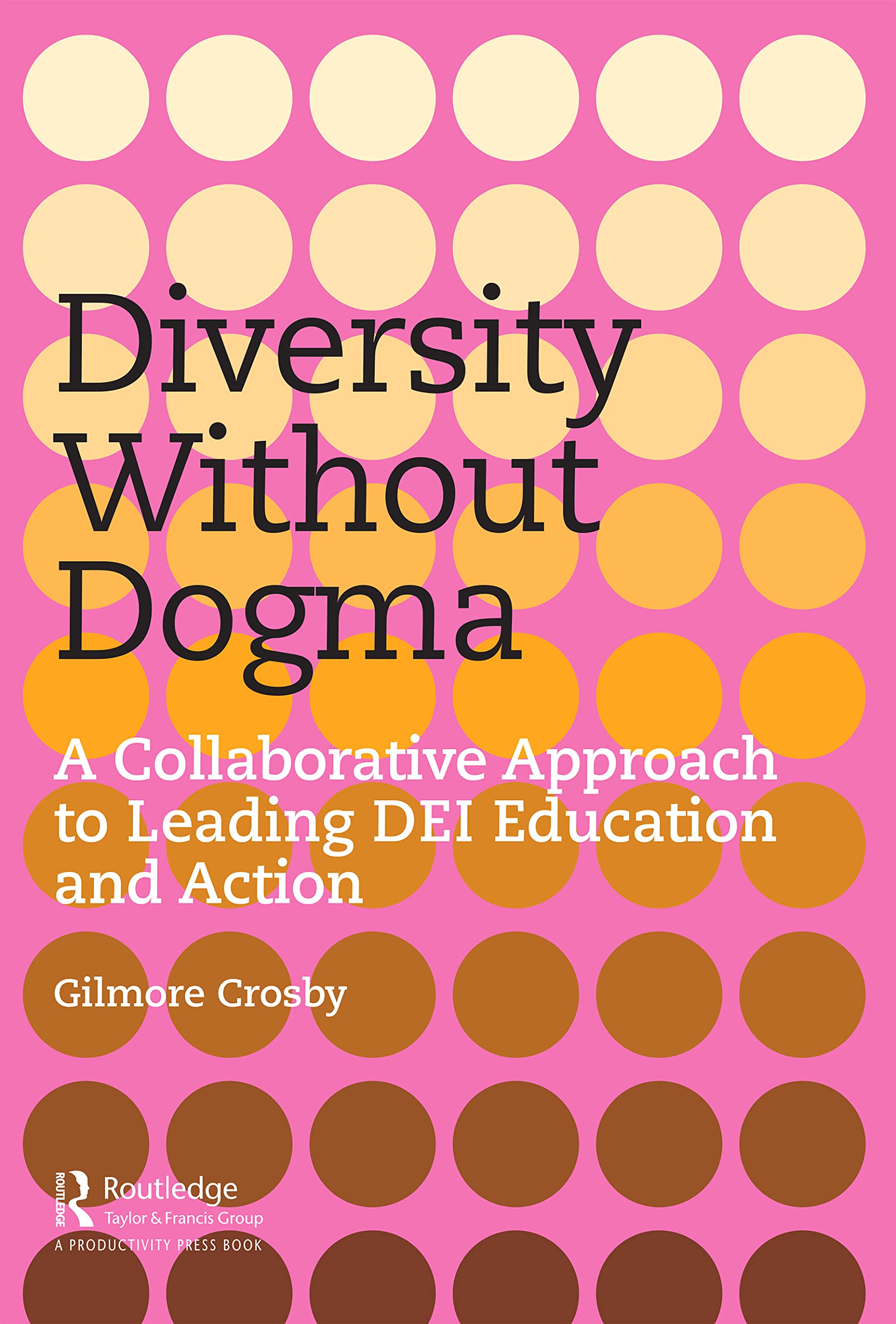



This book is for anyone who wants to decrease racism and other forms of prejudice. The focus is on the United States, but the same principles apply anywhere. The debate should not be whether we are pro-DEI or anti-DEI, but rather whether we are anti-prejudice, anti-discrimination, and pro-democracy (anti-authoritarianism). This book is very different from all others on the subject in that it uses the social science of Kurt Lewin to understand and address prejudice, democracy, and social change. It is the author's belief that the DEI (diversity, equity, and inclusion) movement has focused too much on insight instead of action. Even though systemic racism, such as lending practices (one of many possible examples), is mentioned in such courses, the primary focus is for individuals to look inward for bias instead of taking action (such as inquiry into what their bank is doing to assure fair lending). The author's approach, in contrast, is balanced. What people think is important, but no more important than what people do . Furthermore, the author provides compelling evidence that bringing people together to change things is more likely than a class could ever be to change what they think. In other words, we don't need insight nearly as much as we need action! Instead of spending energy telling people to soul-search for evidence that they have unconscious biases, this book helps channel collective energy into doing something practical about racism and/or other forms of prejudice. To get there, the author uses social science to build a framework for cutting through the many approaches to and positions held on race, racism, diversity, and related topics. A core tenant, for example, is that prejudice begets more prejudice . If you are fighting to decrease racism, but you are sexist (or hold some other overt prejudice), then you are validating prejudice and thereby undermining your own cause. Painfully aware that conversations about these subjects can easily deteriorate into polarization, the author lays a path toward finding common ground, including a fresh and as objective as possible look at the history of racism in the US. I published this in 2023. It is now more important than ever. The struggle against prejudice is intertwined with the struggle for democracy. We must unite, not divide, to the extent possible. Division has been the playbook of autocracy since the foundation of the colonies (and before, in England). Prejudice has been and is being used as a formula for division. We must catch on to this and do nothing that colludes with the attempt to keep us apart. To build a better democracy and to end the varied isms that plague our society we must be truely inclusive of all who are willing to join in the struggle. Gilmore Crosby is the president of Crosby & Associates. He has expertise in Leadership, Learning, and Organization Development. He has over three decades of experience, including management positions in five organizations. He has deep experience in facilitating performance improvement through initiatives such as coaching and team development (from upper management to the floor), process improvement, assessment methodologies (organizational, team, and individual), conflict resolution, and other OD and change management solutions. Responsible for design, development, and delivery of innovative learning solutions, ranging from individual coaching to accredited leadership development programs.