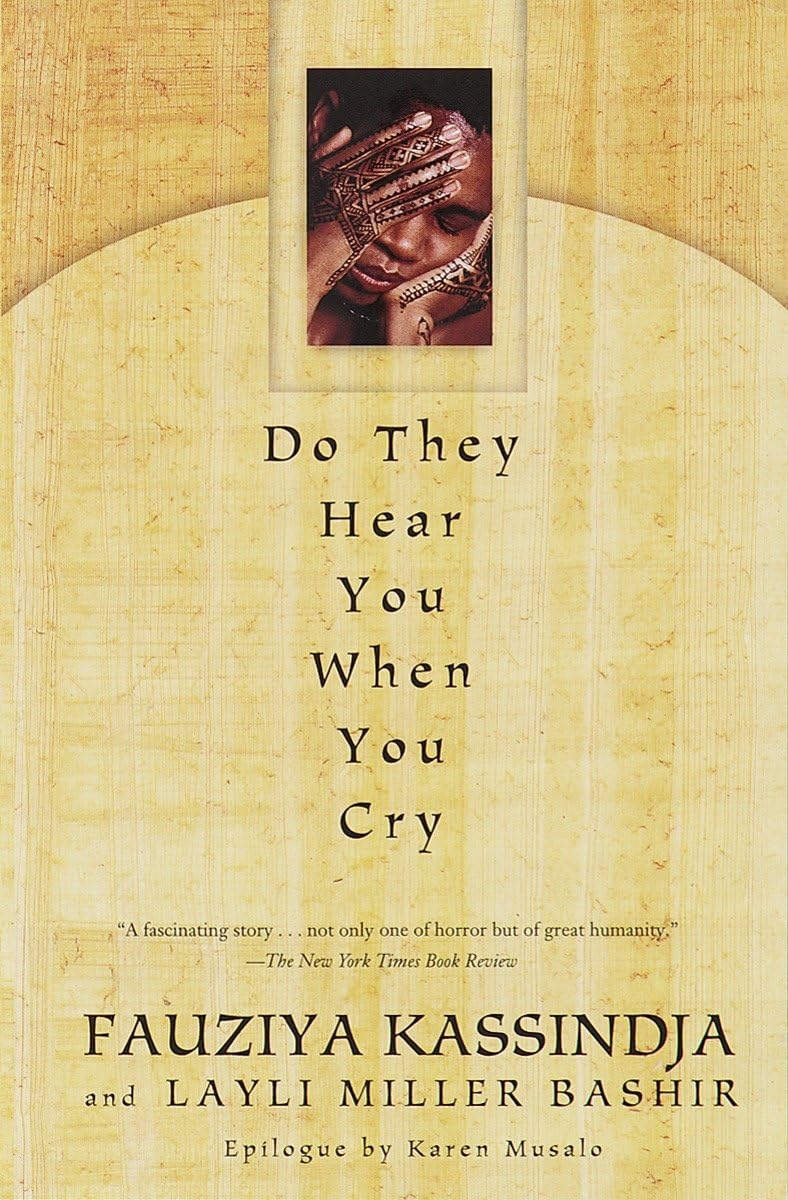



For Fauziya Kassindja, an idyllic childhood in Togo, West Africa, sheltered from the tribal practices of polygamy and genital mutilation, ended with her beloved father's sudden death. Forced into an arranged marriage at age seventeen, Fauziya was told to prepare for kakia, the ritual also known as female genital mutilation. It is a ritual no woman can refuse. But Fauziya dared to try. This is her story--told in her own words--of fleeing Africa just hours before the ritual kakia was to take place, of seeking asylum in America only to be locked up in U.S. prisons, and of meeting Layli Miller Bashir, a law student who became Fauziya's friend and advocate during her horrifying sixteen months behind bars. Layli enlisted help from Karen Musalo, an expert in refugee law and acting director of the American University International Human Rights Clinic. In addition to devoting her own considerable efforts to the case, Musalo assembled a team to fight with her on Fauziya's behalf. Ultimately, in a landmark decision in immigration history, Fauziya Kassindja was granted asylum on June 13, 1996. Do They Hear You When You Cry is her unforgettable chronicle of triumph. "A fascinating story...not only one of horror but of great humanity." -- The New York Times Book Review "Told in Kassindja's voice, this memoir is also a precious lesson about cultures, women's human rights policy, and perhaps most important, faith in God and humanity. These elements, fluidly interwoven, create an incredible narrative." -- The Washington Post "Moving and powerful." -- Newsweek "An astonishing true story . . . A sprawling adventure . . . Full of good guys and bad guys, lush landscapes, barren prison cells, love, courage, despair, and cruelty." -- The Philadelphia Inquirer "A straightforward, gripping narrative, not easily forgotten." -- Essence For Fauziya Kassindja, an idyllic childhood in Togo, West Africa, sheltered from the tribal practices of polygamy and genital mutilation, ended with her beloved father's sudden death. Forced into an arranged marriage at age seventeen, Fauziya was told to prepare for kakia, the ritual also known as female genital mutilation. It is a ritual no woman can refuse. But Fauziya dared to try. This is her story--told in her own words--of fleeing Africa just hours before the ritual kakia was to take place, of seeking asylum in America only to be locked up in U.S. prisons, and of meeting Layli Miller Bashir, a law student who became Fauziya's friend and advocate during her horrifying sixteen months behind bars. Layli enlisted help from Karen Musalo, an expert in refugee law and acting director of the American University International Human Rights Clinic. In addition to devoting her own considerable efforts to the case, Musalo assembled a team to fight with her on Fauziya's behalf. Ultimately, in a landmark decision in immigration history, Fauziya Kassindja was granted asylum on June 13, 1996. Do They Hear You When You Cry is her unforgettable chronicle of triumph. For Fauziya Kassindja, an idyllic childhood in Togo, West Africa, sheltered from the tribal practices of polygamy and genital mutilation, ended with her beloved father's sudden death. Forced into an arranged marriage at age seventeen, Fauziya was told to prepare for "kakia, the ritual also known as female genital mutilation. It is a ritual no woman can refuse. But Fauziya dared to try. This is her story--told in her own words--of fleeing Africa just hours before the ritual "kakia was to take place, of seeking asylum in America only to be locked up in U.S. prisons, and of meeting Layli Miller Bashir, a law student who became Fauziya's friend and advocate during her horrifying sixteen months behind bars. Layli enlisted help from Karen Musalo, an expert in refugee law and acting director of the American University International Human Rights Clinic. In addition to devoting her own considerable efforts to the case, Musalo assembled a team to fight with her on Fauziya's behalf. Ultimately, in a landmark decision in immigration history, Fauziya Kassindja was granted asylum on June 13, 1996. Do They Hear You When You Cry is her unforgettable chronicle of triumph. Fauziya Kassindja was born in 1977 in Kpalimé, Togo, Africa, and now resides in Alexandria, Virginia. Layli Miller Bashir, a graduate of American University Washington College of Law, is now an attorney practicing in Washington, D.C. She is also the founder of the Tahirih Justice Center, which assists women facing international human rights abuses. She lives in Virginia with her husband. Prison I returned to my cell after lunch. It was time for the Salat adh-Dhuhr. I removed my shoes and washed my face, arms, feet and hands at the small sink. Then I carefully spread the bedsheet I used as a prayer rug on the cold concrete floor. I wrapped my head and neck in the veil we call a mayahfi, stepped on the sheet that faced East and began to pray. While I was k