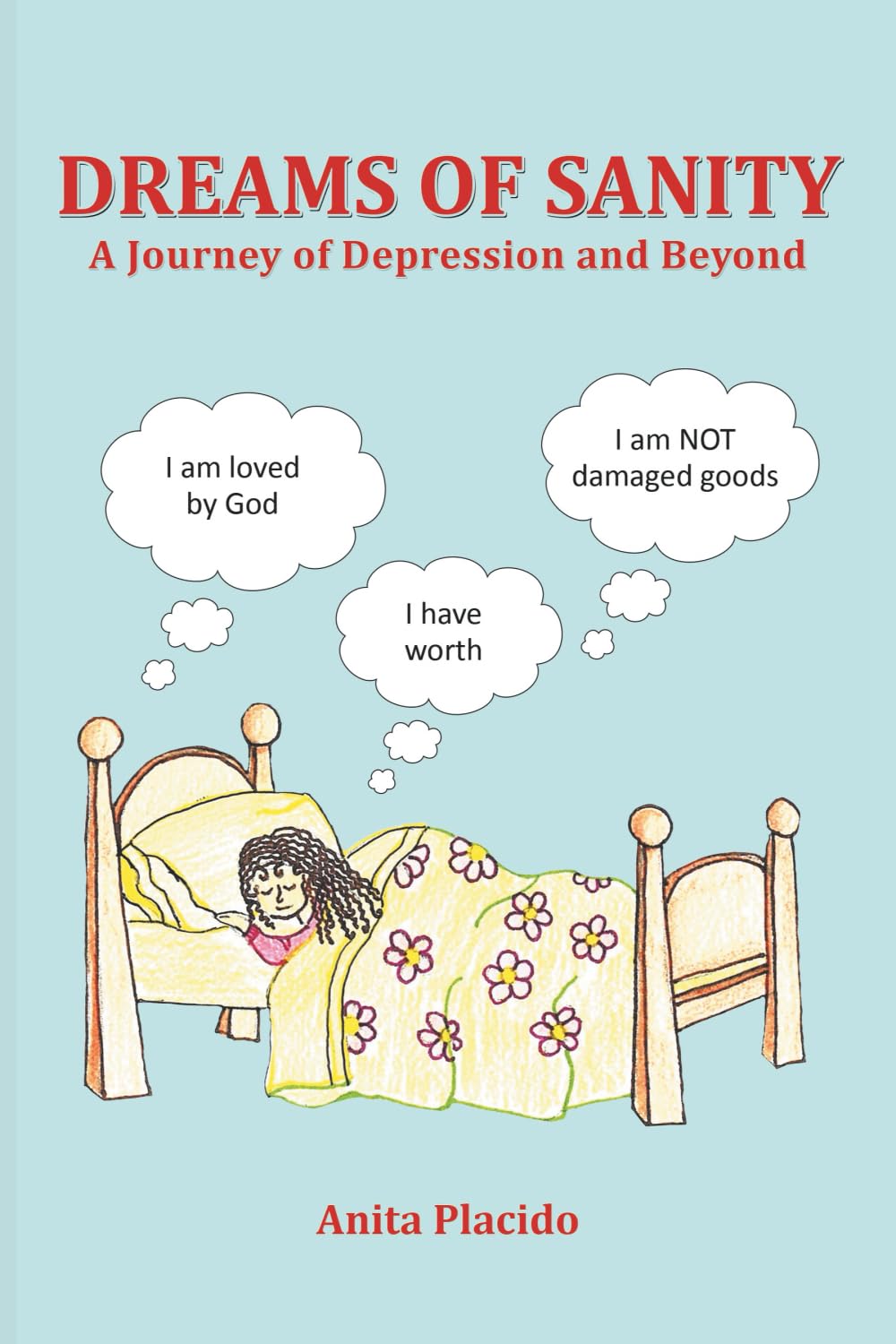



Dreams of Sanity is a story about hope and healing. Women are much more likely to suffer some kind of abuse than men are, and the effects of the trauma will surface at some point in their lives. The author tells how, through dreams and insight into those dreams, she was able to receive healing from early childhood trauma and find her way through deep depression to come out on the other side. The book is set up with a couple of chapters of the author’s background and then the dreams are divided into topical chapters. The dreams in each chapter are organized in chronological order so you can see the progression of healing over time. Although she had a job and a family, due to the low level, chronic depression throughout her life, she could not always be present emotionally in the moment because she could no longer feel the depth of emotions. One day it all caught up to her and she could not get out of bed. She found a therapist and over the next year and a half they worked on processing her early emotions. The therapist had her keep a journal of her emotions. Soon God began giving her dreams. They were so vivid that she woke up and wrote them in her journal. As the emotions were processed in the dreams, the depression began to lift. Several years later she wrote this book to let victims of abuse know they are not alone, and they do not have to remain victims. During the depth of the depression, the author doubted her faith in God. How could he let this happen? Where was he? She tells how, through the dreams God provided and a showdown with God, she found her way back when she could see that he was there all along, preventing further tragedy. If you or someone you know has suffered from abuse or other childhood trauma, this book is meant to help you with anxiety, low self-esteem, depression, PTSD, flashbacks, nightmares, substance abuse, and other effects of trauma. As her therapist told the author, you cannot go back to the way you were coping before. In the journey the author takes you on, you will find the boundaries of what you can and cannot do, and the strength to stand up for yourself and say “no” to things that will overwhelm you and trigger depressive episodes. It is the author’s desire that this book brings hope and encouragement to those suffering from these kinds of struggles and for them to find their “new normal” and move forward into a future of wholeness. The results of trauma from your past do not have to carry into the next generation. When you find the healing and peace God gives, your past is a closed book, and you have a bright new future.