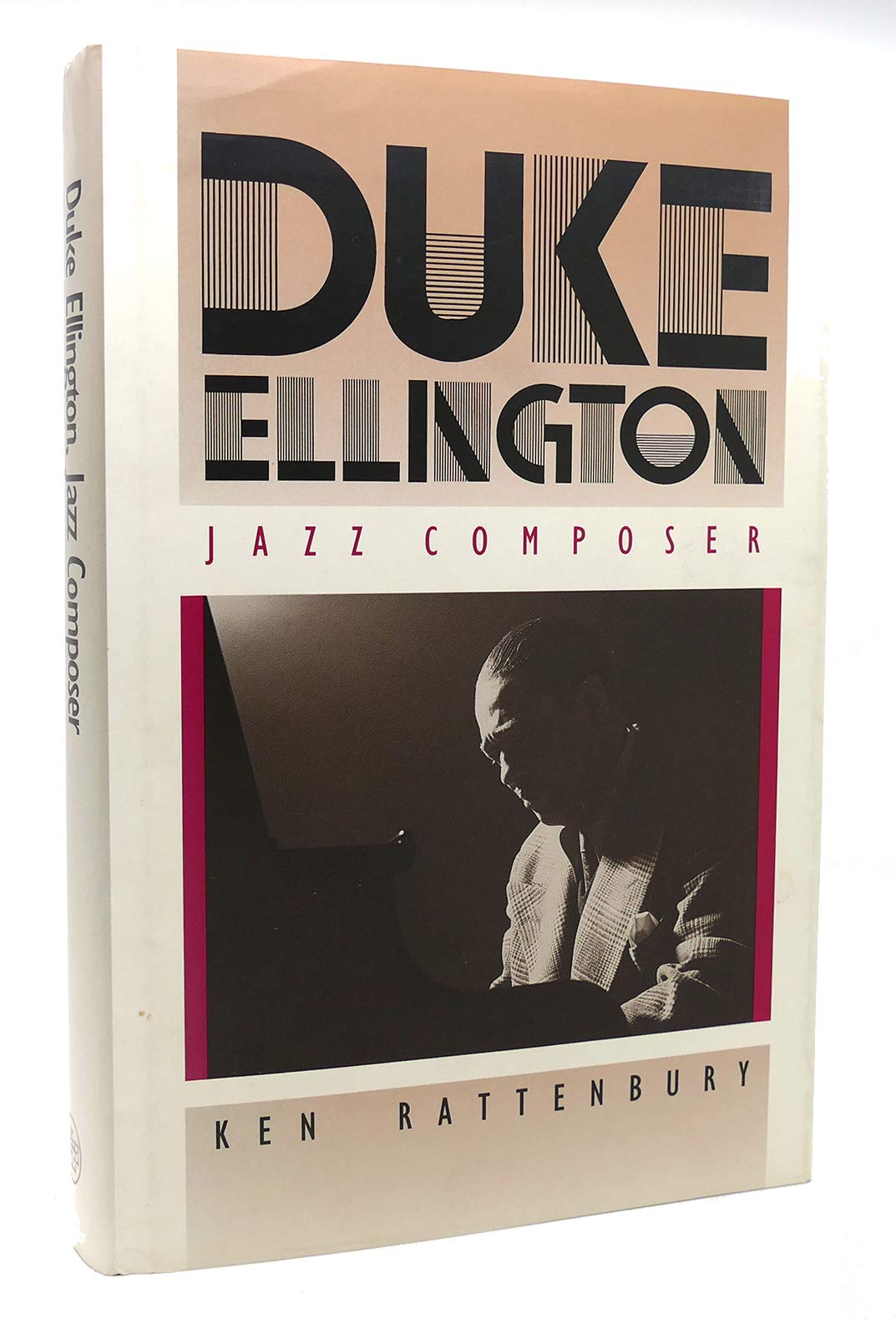



This analysis of Duke Ellington's works draws on observations by Ellington himself and by members of his orchestra to show how blues, ragtime and Tin Pan Alley influenced Ellington and how he integrated black folk music practices with elements of European art music. The book aims to provide new perspectives on Ellington's life and music, the interpretations of some of his creative soloists and the evolution of the jazz tradition. Generally considered the most important composer jazz has produced, Ellington has inspired nearly 20 biographies (e.g., those by James L. Collier, LJ 9/1/87, and Ron Frankl, Chelsea, 1989, both entitled Duke Ellington ) and several discographies, yet this appears to be the first book-length study of his methods of composition. English musician Rattenbury focuses on Ellington's "mature period," 1939-41, to demonstrate how the artist used elements of ragtime, Tin Pan Alley, the blues, and other styles in his compositions. Although intended for the musicologist, the study includes some biographical and historical information for the general reader. Appendixes include a chronology of Ellington's career and brief sketches of his principal sidemen. - Paul Baker, CUNA, Inc., Madison, Wis. Copyright 1990 Reed Business Information, Inc.