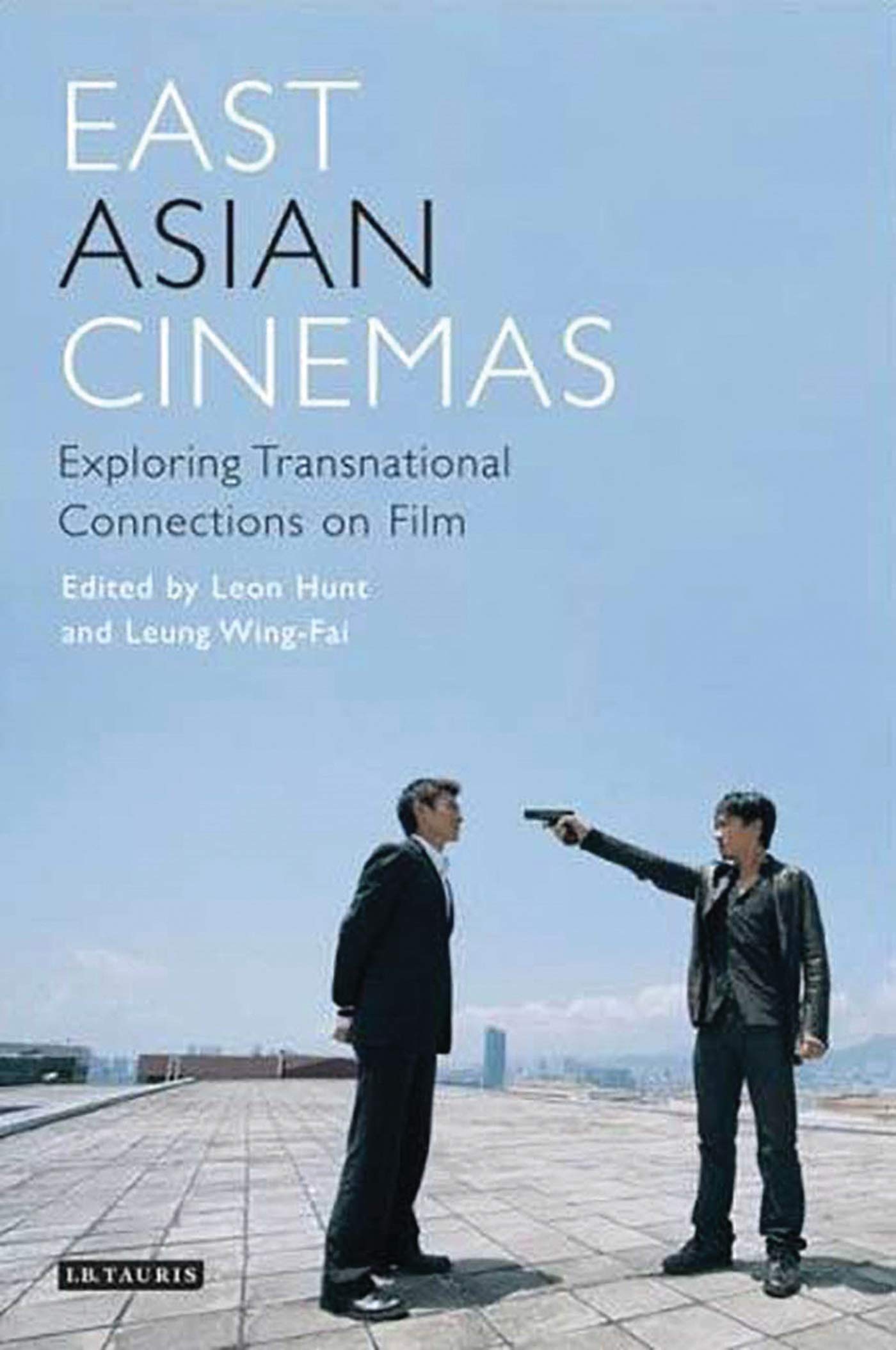



Cinemas from East Asia are among the most exciting and influential in the world. They are attracting popular and critical attention on a global scale, with films from the region circulating as art house, cult, blockbuster and 'extreme' cinema, or as Hollywood remakes. This book explores developments in the global popularity of East Asian cinema, from Chinese martial arts, through Japanese horror, to the burgeoning new Korean cinema, with particular emphasis on crossovers, remakes, hybrids and co-productions. It examines changing cinematic traditions in Asia alongside the 'Asianisation' of western cinema. It explores the dialogue not only between 'East' and 'West', but between different cinemas in the Asia Pacific. What do these trends mean for global cinema? How are co-productions and crossover films changing the nature of Hollywood and East Asian cinemas? The book includes in-depth studies of Park Chan-wook, 'Infernal Affairs', 'Seven Samurai', and 'Princess Mononoke'. Leon Hunt is the author of British Low Culture: From Safari Suits to Sexploitation (1998), Kung Fu Cult Masters: From Bruce Lee to Crouching Tiger (2003), The League of Gentlemen (2008), Cult British TV Comedy: From Reeves and Mortimer to Psychoville (2013) and Danger: Diabolik (2018) and co-editor of East Asian Cinemas: Exploring Transnational Connections on Film (2008) and Screening the Undead (2014). Lúcia Nagib is Professor of Film and Director of the Centre for Film Aesthetics and Cultures (CFAC) at the University of Reading. Her research has focused, among other subjects, on polycentric approaches to world cinema, new waves and new cinemas, cinematic realism and intermediality. She is the author of World Cinema and the Ethics of Realism (Continuum, 2011), Brazil on Screen: Cinema Novo, New Cinema, Utopia (I.B. Tauris, 2007), The Brazilian Film Revival: Interviews with 90 Filmmakers of the 90s (Editora 34, 2002), Born of the Ashes: The Auteur and the Individual in Oshima's Films (Edusp, 1995), Around the Japanese Nouvelle Vague (Editora da Unicamp, 1993) and Werner Herzog: Film as Reality (EstaçãoLiberdade, 1991). She is the editor of Impure Cinema: Intermedial and Intercultural Approaches to Film (with Anne Jerslev, 2013), Theorizing World Cinema (with Chris Perriam and Rajinder Dudrah, I.B. Tauris, 2011), Realism and the Audiovisual Media (with Cecília Mello, Palgrave, 2009), The New Brazilian Cinema (I.B. Tauris, 2003), Master Mizoguchi (Navegar, 1990) and Ozu (Marco Zero, 1990). Julian Ross is Head of Film Programming & Distribution, Eye Filmmuseum Used Book in Good Condition