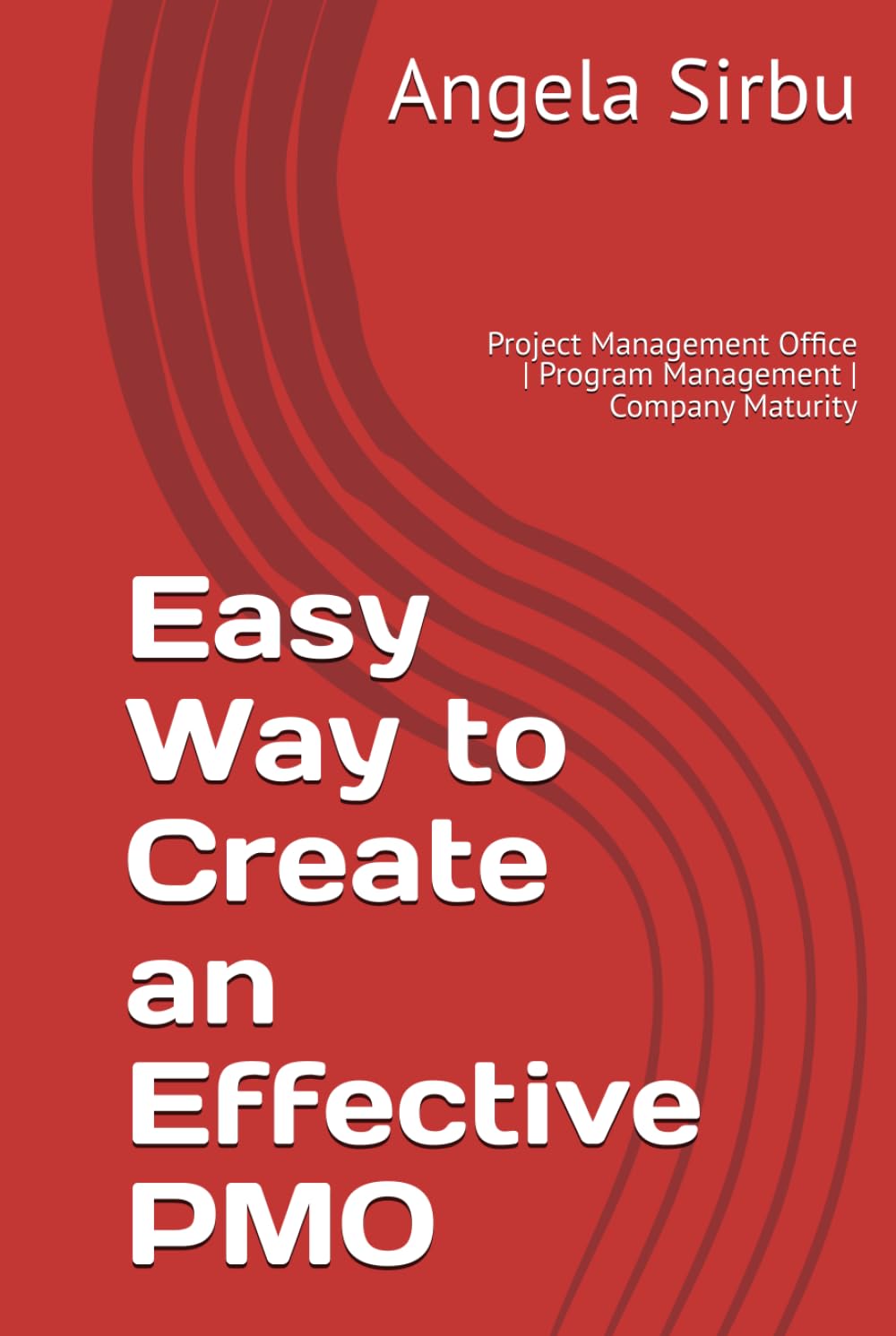
Easy Way to Create an Effective PMO: Project Management Office | Program Management | Company Maturity (Leadership | PMO | Project Management | Team
$16.90
by Angela Sirbu



Creating an effective Project Management Office (PMO) is pivotal for organizations aiming to standardize project governance processes and optimize resource utilization. This ebook provides a comprehensive guide to establishing a PMO that delivers structured support, oversight, and alignment with organizational goals, ensuring projects are executed efficiently and deliver anticipated value. Key Concepts: Definition and Purpose of a PMO A PMO is a centralized entity responsible for defining and maintaining project management standards across an organization. - It serves as a repository of best practices, project status, and direction, aligning projects with strategic business objectives. - The primary aim of a PMO is to enhance overall project performance by implementing consistent management practices and frameworks. - Strategic Alignment A PMO ensures that projects align with the strategic goals of the organization, contributing to its long-term success. - It involves meticulous planning, monitoring, and providing necessary support to project managers and teams. - Project Governance Framework Establishing a framework for project governance, defining roles and responsibilities, and setting up performance metrics are essential functions of a PMO. - This framework helps maintain consistency and quality across projects, reducing the likelihood of failures and improving decision-making. - Resource Management Efficient resource management ensures optimal allocation of human, financial, and technical resources. - By maintaining a centralized resource pool, a PMO can avoid conflicts and ensure the right resources are available for the right projects at the right time, enhancing productivity and project success. - Risk Management A PMO provides a structured approach to identifying, assessing, and mitigating risks, ensuring that projects stay on track despite uncertainties. - Proactive risk management minimizes disruptions and ensures that contingency plans are in place. - Performance Measurement Establishing key performance indicators (KPIs) and metrics allows a PMO to monitor project performance, identify improvement areas, and make data-driven decisions. - Continuous evaluation and feedback enable the PMO to adapt and evolve, remaining effective in a dynamic business environment. Conclusion: "The Easy Way to Create an Effective PMO" offers a detailed roadmap for organizations looking to implement a PMO that drives project success and organizational growth. By focusing on strategic alignment, resource optimization, risk management, and performance measurement, this ebook provides the tools and insights needed to build a robust and efficient PMO that acts as a catalyst for achieving project excellence.