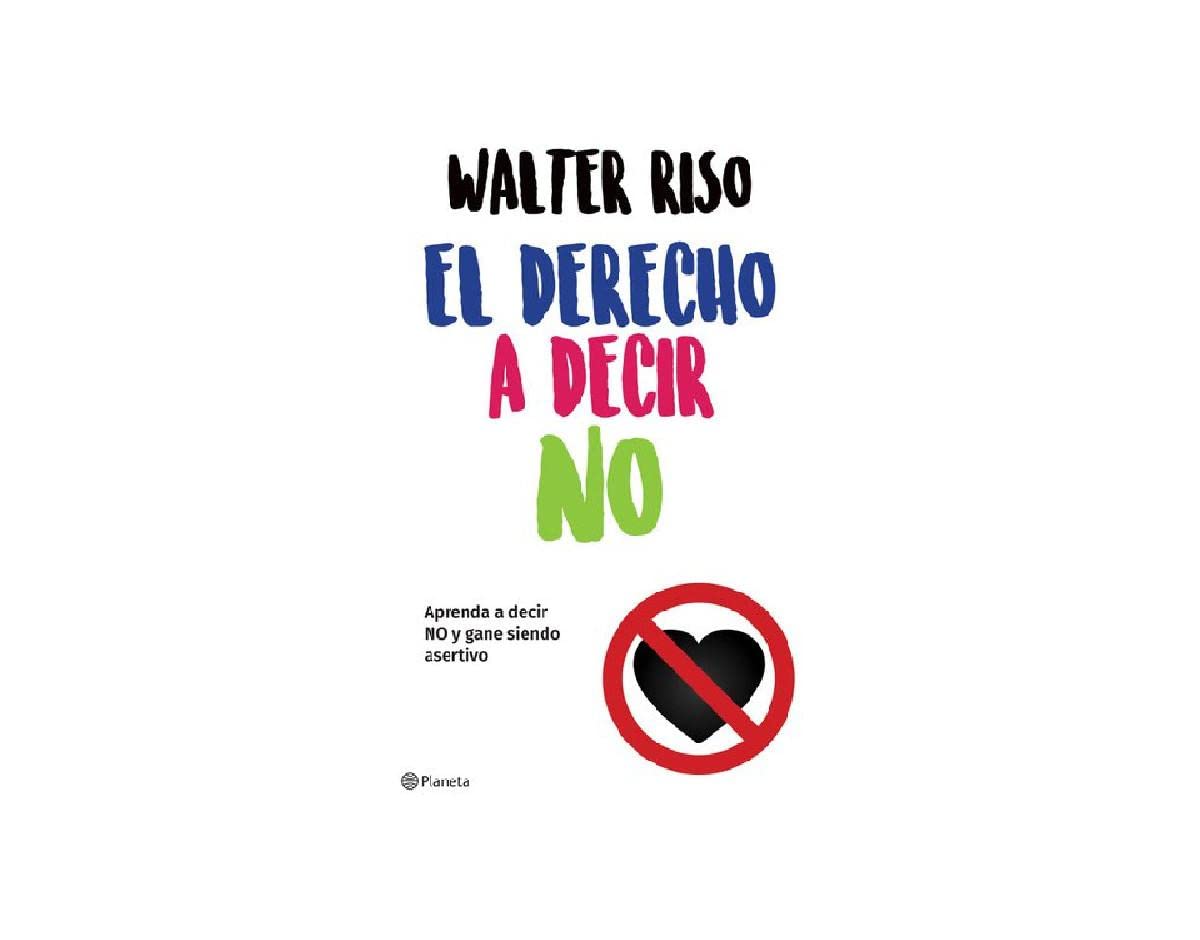
El derecho a decir no: Aprenda a decir no y gane siendo asertivo / The Right to Say No (Spanish Edition)
$10.02
by Walter Riso



Cada vez que agachamos la cabeza, nos sometemos o accedemos a peticiones irracionales, le damos un duro golpe a la autoestima: nos flagelamos. Y aunque salgamos bien librados por el momento, logrando disminuir la adrenalina y la incomodidad que genera la ansiedad, nos queda el sinsabor de la derrota. ¿Quién no se ha mirado alguna vez al espejo tratando de perdonarse la sumisión o no haber dicho lo que en verdad pensaba? ¿Quién no ha sentido, así sea de vez en cuando, la lucha interior entre la indignación por el agravio y el miedo a enfrentarlo? Aun así, en cada uno de nosotros hay un reducto de principios donde el yo se niega a rendir pleitesía y se rebela. Tenemos la capacidad de indignarnos cuando alguien viola nuestros derechos o somos víctimas de la humillación, la explotación o el maltrato: podemos decir NO. En el proceso de aprender a querernos a nosotros mismos, junto al autoconcepto, la autoimagen, la autoestima y la autoeficacia, que ya he mencionado en Aprendiendo a quererse a sí mismo, hay que abrirle campo a un nuevo auto: el autorrespeto, la ética personal que separa lo negociable de lo no negociable, el punto de no retorno. Detrás del ego que acapara, está el yo que vive y ama, pero también está el yo aporreado, el yo que exige respeto, el yo que no quiere doblegarse, el yo humano: el yo digno. Comienza a decir que NO y a ser más asertivo. ENGLISH DESCRIPTION Every time we bow our heads, submit to, or accede to irrational requests, we deal a severe blow to our self-esteem: we flagellate ourselves. And even if we get away with it for the moment, managing to reduce the adrenaline and the discomfort generated by anxiety, we are left with the taste of defeat. Who hasn't looked in the mirror trying to forgive themselves for submitting or not having said what they really thought? Who hasn't felt, at least from time to time, the inner struggle between indignation at the grievance and the fear of confronting it? Even so, in each of us there is a stronghold of principles where the self refuses to pay homage and rebels. We have the capacity to be outraged when someone violates our rights or we are victims of humiliation, exploitation or mistreatment: we can say NO. In the process of learning to love ourselves, along with the self-concept, self-image, self-esteem and self-efficacy, which I have already mentioned in Learning to Love Yourself, we must open the way to a new self: self-respect, the personal ethics that separate the negotiable from the non-negotiable, the point of no return. Behind the ego that hoards, there is the self that lives and loves, but there is also the beaten self, the self that demands respect, the self that does not want to bend, the human self: the dignified self. Start saying NO and be more assertive. Walter Riso nació en Italia y vive entre Latinoamérica y Barcelona. Es doctor en Psicología, se especializó en Terapia Cognitiva y obtuvo una maestría en bioética. Desde hace treinta años trabaja como psicólogo clínico, práctica que alterna con el ejercicio de la cátedra universitaria y la redacción de publicaciones científicas y de divulgación en diversos medios. Sus libros han cumplido el propósito de crear una vacuna contra el sufrimiento humano proponiendo estilos de vida saludables en distintos órdenes de la vida . El éxito de los libros de Walter Riso es arrollador. Walter Riso was born in Naples (Italy) and lives in Barcelona and Latin America. He has a PhD in Psychology specializing in Cognitive Therapy and a Master's in Bioethics. His books have been translated into more than 20 languages. They seek to offer a vaccination against human suffering, proposing healthier approaches to different aspects of living.