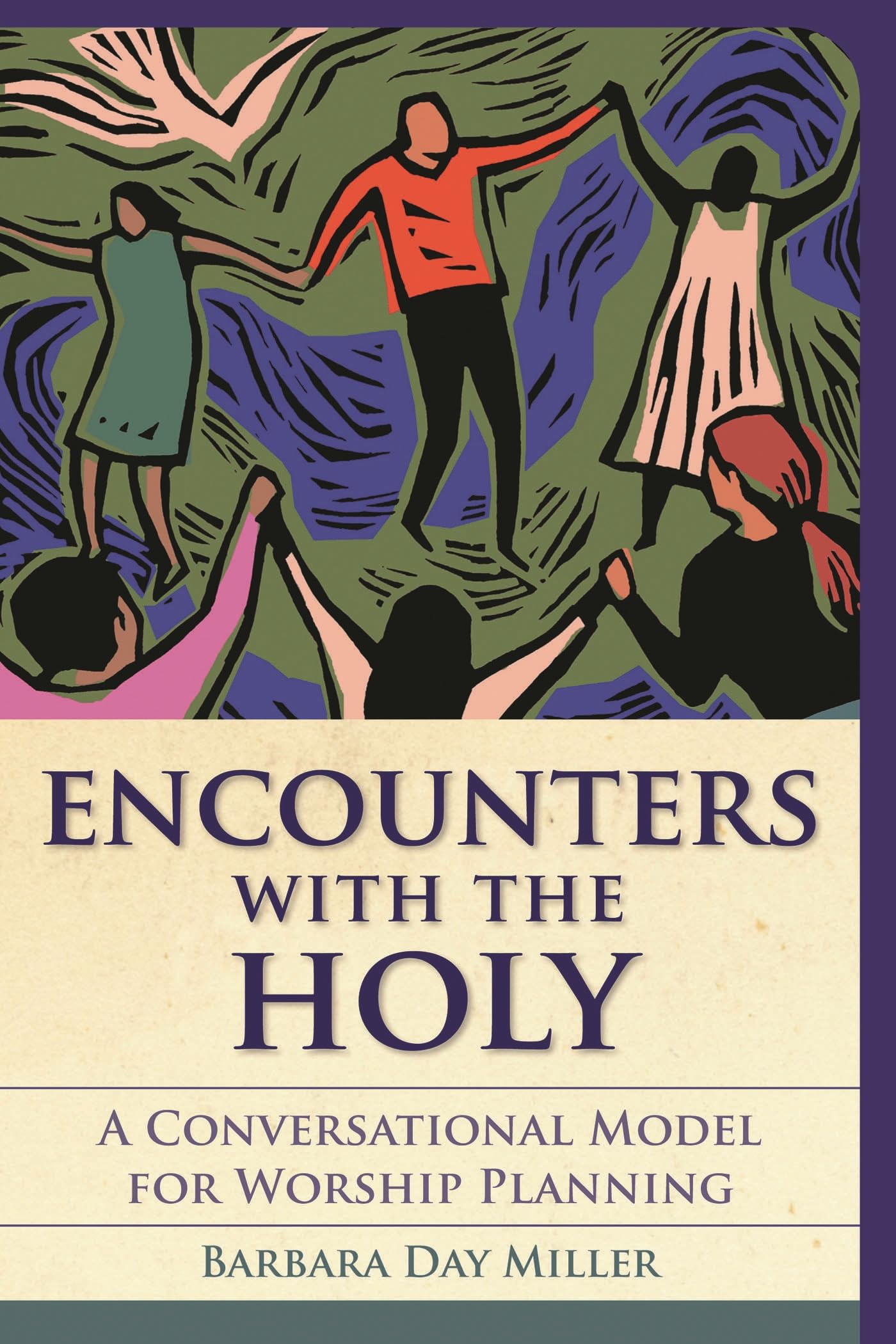
Encounters with the Holy: A Conversational Model for Worship Planning (Vital Worship Healthy Congregations)
$18.92
by Barbara Day Miller



Many churches have active worship committees or planning teams, and an abundance of books and resources guide pastors and laity. Encounters with the Holy offers a conversational model of worship planning that was developed to train practitioners to be more reflective in their planning of worship experiences. The model planning, ordering, worshiping, reflecting is a flexible, fluid pattern. It provides a more circular, spiraling practice of imaginative planning, preparing the leaders and the space, and reflecting theologically to understand more fully the experience of worship. It has been tested in congregations, seminaries, and campus ministries amid a wide range of denominational and cultural styles. An underlying theological assumption of this approach is that we are engaged in holy work when we plan and prepare for worship. Leaders study, preparation, and training are themselves an encounter with the Holy. Therefore, we are called to become more informed and better prepared liturgical leaders. The language and encouraging style of the book is accessible to student pastors, pastors, and lay people interested in learning to think more deeply about worship. Community involves conversation. That's true especially for the Community of Persons in the Triune Godhead. Try to imagine them not speaking to each other. How strange it is then that we talk to each other so little at least in charitable ways when planning and assessing our worship of the Triune God. Encounters with the Holy offers straightforward wisdom in deepening the conversation of God's people on worship. --Dr. Lester Ruth, Lily May Jarvis Professor of Christian Worship at Asbury Theological Seminary and Instructor in Worship History, Robert E. Webber Institute for Worship Studies What a stimulating 'round table' approach to worship planning this resource offers pastors, musicians, and lay leaders! Liturgy truly becomes the 'work of the people' as congregants and staff members participate in a detailed, yet highly flexible model for worship planning that can be used in congregations of all sizes. --Leonora Tubbs Tisdale, Clement-Muehl Professor of Homiletics, Yale Divinity School Barbara Day Miller is assistant dean of worship and music and assistant professor in the practice of liturgy at the Candler School of Theology, where she guides the worship life of the seminary and teaches liturgical practices. Her teaching interests include congregational planning and participation in worship, worship and the arts, and global hymns and songs. She is an ordained deacon in the United Methodist Church.