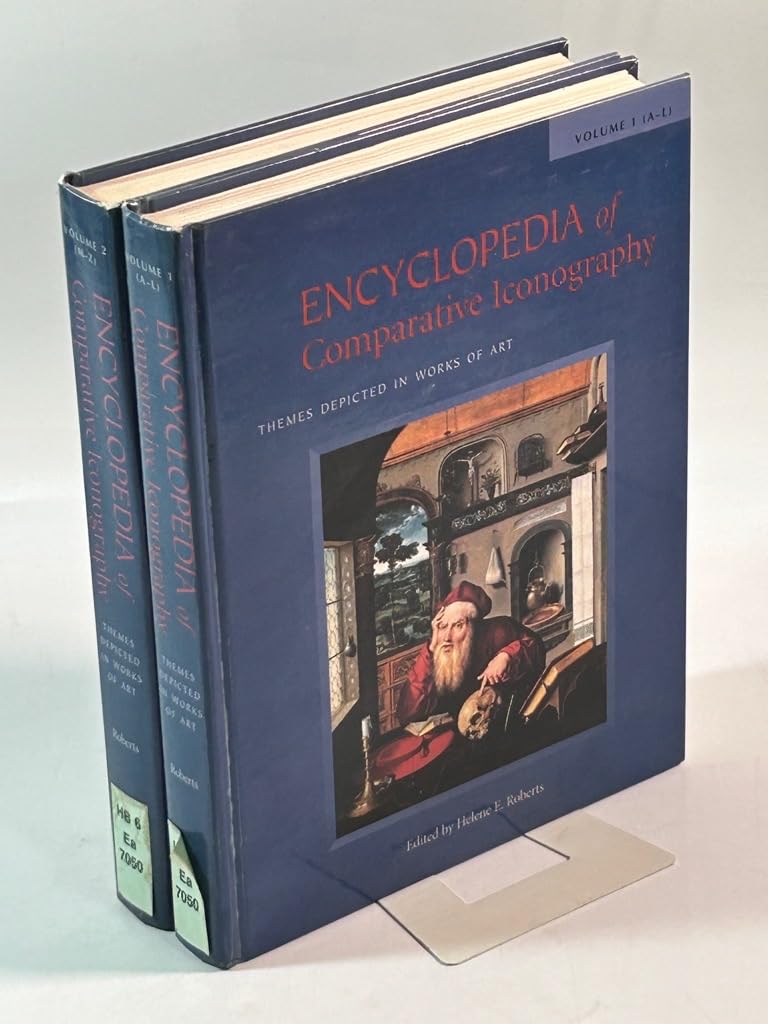
Encyclopedia of Comparative Iconography: Themes Depicted in Works of Art (2 Vol. Set)
$611.72
by Helene E. Roberts



First published in 1998. The Encyclopedia of Comparative Iconography compares the uses of iconographic themes from mythology, the Bible and other sacred texts, literature, and popular culture in works of art through various periods, cultures, and genres. Art historians now tend to study narrative themes depicted in works of art in relation to such subjects as gender and sexuality, politics and power, ownership and possession, ceremony and ritual, legitimacy and authority. The Encyclopedia of Comparative Iconography reflects these new approaches by ordering the themes of various iconographic sources in particular biblical, mythological, and literary texts according to these new emphases.Each handsomely illustrated entry discusses the major relevant iconographic narratives and the historical background of each theme. A list of selected works of art that accompanies each essay guides the reader to examples in art that depict the theme under discussion. Each essay includes a list of suggested reading that provides further sources of information about the themes. A general bibliography of reference books is listed separately and can be used in association with all the essays. With 119 entries written by 42 experts, the Encyclopedia of Comparative Iconography is an important reference work for art historians, students of art history, artists, and the general reader. Many art reference sources identify works of art by title, artist, or medium. Identification on the basis of theme or subject has always been more problematic. It is also an approach that many students, teachers, and other library users interested in art wish to pursue. Reference sources taking this approach tend to be narrow in focus, such as those on religious iconography or depictions of saints. Encyclopedia of Comparative Iconography (ECI) expands the scope of the thematic guide to art to include mythological, biblical, and literary themes that have been represented in art of all periods and media. Roberts is editor of Visual Resources: An International Journal of Documentation and the book series Documenting the Image (Gordon and Breach). ECI includes 119 signed, alphabetically arranged essays on actions ( harvesting , kiss/kissing ), situations ( upside down , widowhood ), and concepts ( whiteness , calumny ). Entries were written by 42 prominent contributors, most of whom are faculty in art history, classics, archaeology, or literature at universities in the U.S. Many of the contributors are full professors, department chairs, and authors of their own books. Among them are Diane Apostolos-Cappadona, author of The Encyclopedia of Women in Religious Art [RBB S 15 97]. Each essay is divided into sections on motifs and iconographic narratives that constitute subdivisions of the essay. For example, drunkenness/intoxication includes sections on Dionysius/Bacchus; Lapiths and Centaurs; the drunkenness of Noah, Judith, and Holofernes; and artists and alcohol in the twentieth century and in China. The essay addresses narratives that are the sources of the images, historical background, symbolism, variations in presentation, and how the theme evolved over time. Each section includes references to works of art depicting the theme. These are also listed by section and then in chronological order in a list of Selected Works of Art at the end of the essay. The theme Bacchanales and Related Subjects, for example, is depicted in 15 works from the Barberini Faun (c. 220 B.C.) to Picasso's Feast of the Fauns (1957). These references include artist, title, medium, date, and location (if known). Each essay includes one full-page black-and-white photograph illustrating a representative work of art. The Feast of the Fauns , for example, illustrates drunkenness/intoxication . A list of further reading includes books and periodical articles. Seven indexes to terms discussed in the entries increase the likelihood that the user will find references to the subject being sought. An Index of Ancient Mythological and Historical Personages, Places, and Concepts, and an Index of Judeo-Christian Personages, Places, and Concepts help the user who is interested in a particular place or the narratives of particular characters, but isn't sure how themes relating to them are categorized. These are followed by an Index of References to the Bible and Other Sacred Books; an Index of Other Cultures, Religions, and Mythologies; an alphabetical Index of Artists and Works of Art; and an Index of Authors, Literary Texts, Composers, Filmmakers, and Folktales, which includes references from classical to contemporary, including Aesop, Benjamin Franklin, the musical Hair , and Walt Disney. A final Index of Other Names and Terms includes topics that appear in the essays but are not themselves mythological, religious, or literary, such as brothels, dogs, and puzzles. In addition to the further reading included with each essay, the encyclopedia provides a bibliography of approx