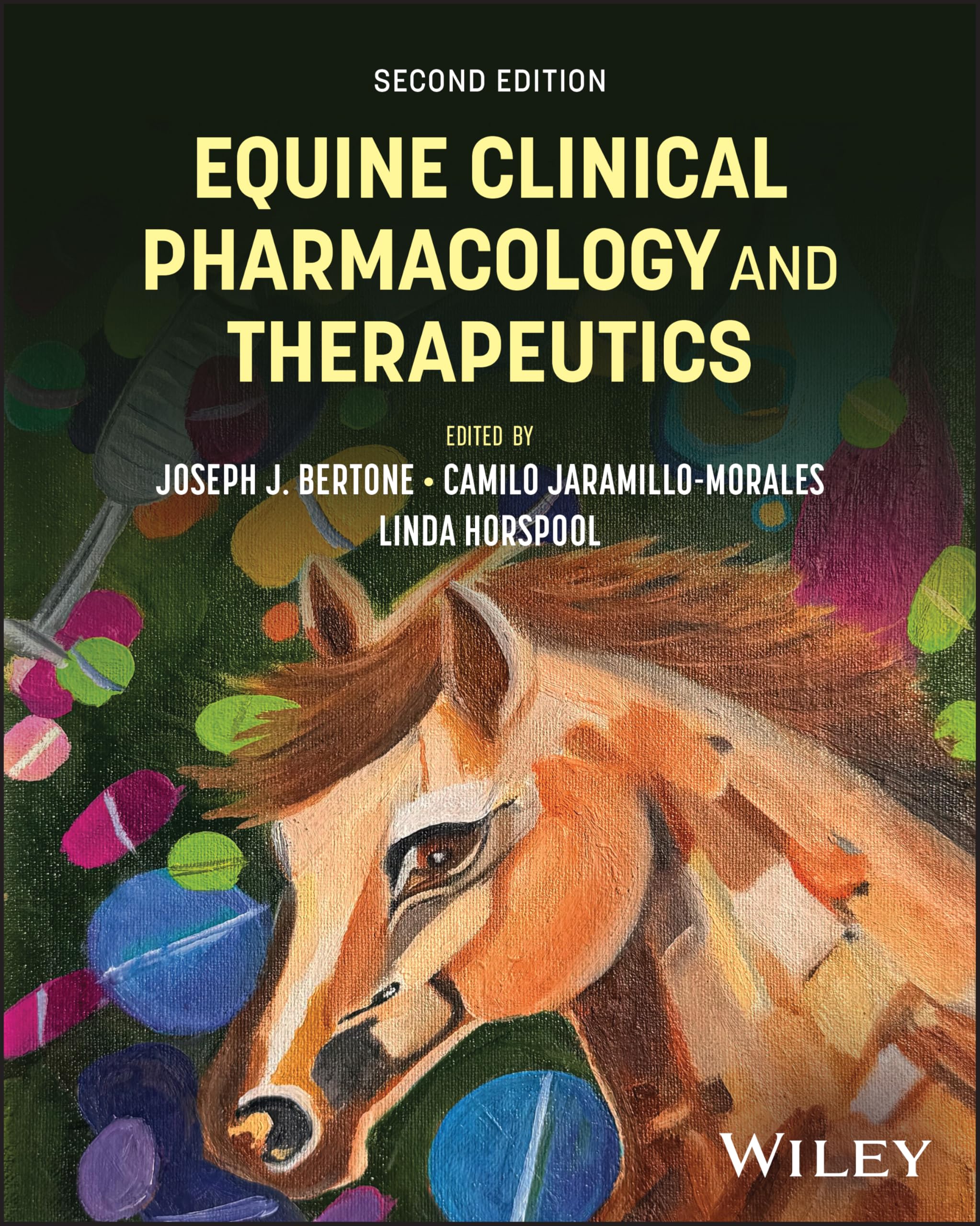



Comprehensive resource translating evidence-based research into practical clinical pharmacology Now in its second edition, Equine Clinical Pharmacology and Therapeutics is a comprehensive resource for practical information on drugs that’s tailored for equine practice. The book translates evidence-based research into clinical pharmacology for daily use in the clinic, making it an essential reference for the practitioner. Emphasizing the particular pharmacologic considerations in horses, the book is structured based on body system, with specialized chapters on fluid therapy, antimicrobials, anthelmintics, biologics, prescribing, and compounding. A formulary offers quick access to dosages. Equine Clinical Pharmacology and Therapeutics discusses: • Antimicrobial drugs, parasiticides (endo- and endectocides), antiprotozoal drugs, biologics, NSAIDs, anesthetics, tranquilizers, and opioid analgesics • The endocrine, gastrointestinal, urinary, reproductive, cardiovascular and neurological systems and skeletal muscle • Intraarticular treatment, regenerative therapies, fluid therapy, ophthalmic therapeutics, behavior modification, dermatology, and foals • Drug delivery techniques and formulations , prescribing, and compounding • The latest trends, developments, and emerging areas for future research in the field of equine therapeutics Designed for practicality, Equine Clinical Pharmacology and Therapeutics provides the practicing clinician with the information they need to make informed, ethical, and effective decisions about pharmacologic therapy and the assessment of treatment outcomes. Comprehensive resource translating evidence-based research into practical clinical pharmacology Now in its second edition, Equine Clinical Pharmacology and Therapeutics is a comprehensive resource for practical information on drugs that’s tailored for equine practice. The book translates evidence-based research into clinical pharmacology for daily use in the clinic, making it an essential reference for the practitioner. Emphasizing the particular pharmacologic considerations in horses, the book is structured based on body system, with specialized chapters on fluid therapy, antimicrobials, anthelmintics, biologics, prescribing, and compounding. A formulary offers quick access to dosages. Equine Clinical Pharmacology and Therapeutics discusses: • Antimicrobial drugs, parasiticides (endo- and endectocides), antiprotozoal drugs, biologics, NSAIDs, anesthetics, tranquilizers, and opioid analgesics • The endocrine, gastrointestinal, urinary, reproductive, cardiovascular and neurological systems and skeletal muscle • Intraarticular treatment, regenerative therapies, fluid therapy, ophthalmic therapeutics, behavior modification, dermatology, and foals • Drug delivery techniques and formulations , prescribing, and compounding • The latest trends, developments, and emerging areas for future research in the field of equine therapeutics Designed for practicality, Equine Clinical Pharmacology and Therapeutics provides the practicing clinician with the information they need to make informed, ethical, and effective decisions about pharmacologic therapy and the assessment of treatment outcomes. The editors Joseph J. Bertone, DVM, MS, Diplomate ACVIM, is Professor of Equine Medicine at Western University of Health Sciences, College of Veterinary Medicine, in Pomona, California, USA. Camilo J. Morales, DVM, MS, PhD, DACVIM , completed a residency in veterinary clinical pharmacology at the University of California, Davis and is an assistant professor of equine internal medicine in the Department of Clinical Sciences at Auburn University in Auburn, Alabama, USA. Linda J. I. Horspool, BVSc, PhD, is a Global Director for Companion Animal and Equine Scientific Affairs at MSD Animal Health based in Boxmeer, The Netherlands.