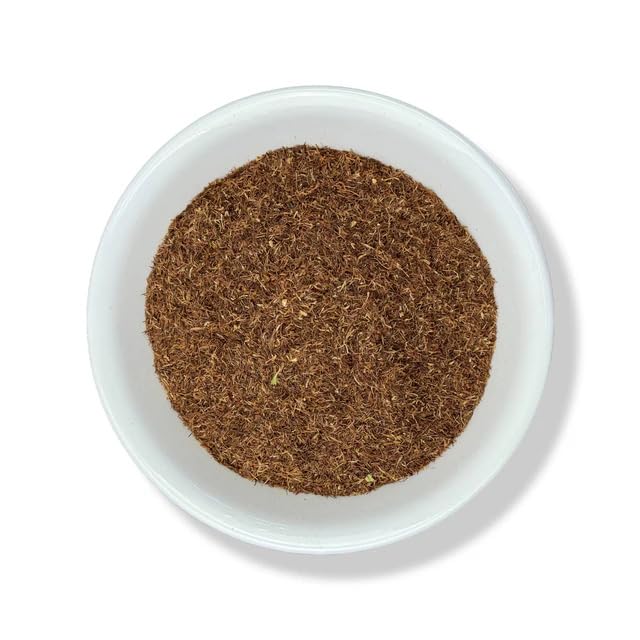
Evergreen Herbs Pelo De Elote (corn Silk) 4 oz. - Zea Mays, Barbe De Maïs, Cheveux De Maïs, Indian Corn, Resealable Stand Up Pouch to Ensure Freshness
$13.00
by Evergreen Herbs



The golden, rather than the brown silks, are used in tea or as a tincture. They are used fresh or freshly-dried. The cornsilk— shiny, thread-like tassels at the top. The silken parts are cut and generally prepared in a tea, less often a tincture. Generally in teas or tinctures the Corn Silk is combined with Slippery Elm powder, Mullein leaf and sometimes Cranberries, Echinacea, Goldenseal root, Juniper berries and Uva Ursi. One to two tablespoons of cut or Corn Silk are infused with eight ounces of water as a tea. The golden, rather than the brown silks, are used in tea or as a tincture. They are used fresh or freshly-dried. Of course, corn is a popular vegetable found everywhere, as farm stands and farmers markets around the world can attest. The cornsilk— shiny, thread-like tassels at the top—are easy to recognize and have been the bane of many a youngster made to strip the sticky silks off the kernels as their parents prepare them for cooking. You may not know that the tassels collect the pollen that fertilizes each seed. Cornsilk has a long and varied history in many cultures and has a variety of uses. The silken parts are cut and generally prepared in a tea, less often a tincture. One to two tablespoons of cut or Corn Silk are infused with eight ounces of water as a tea. Generally in teas or tinctures the Corn Silk is combined with Slippery Elm powder, Mullein leaf and sometimes Cranberries, Echinacea, Goldenseal root, Juniper berries and Uva Ursi.