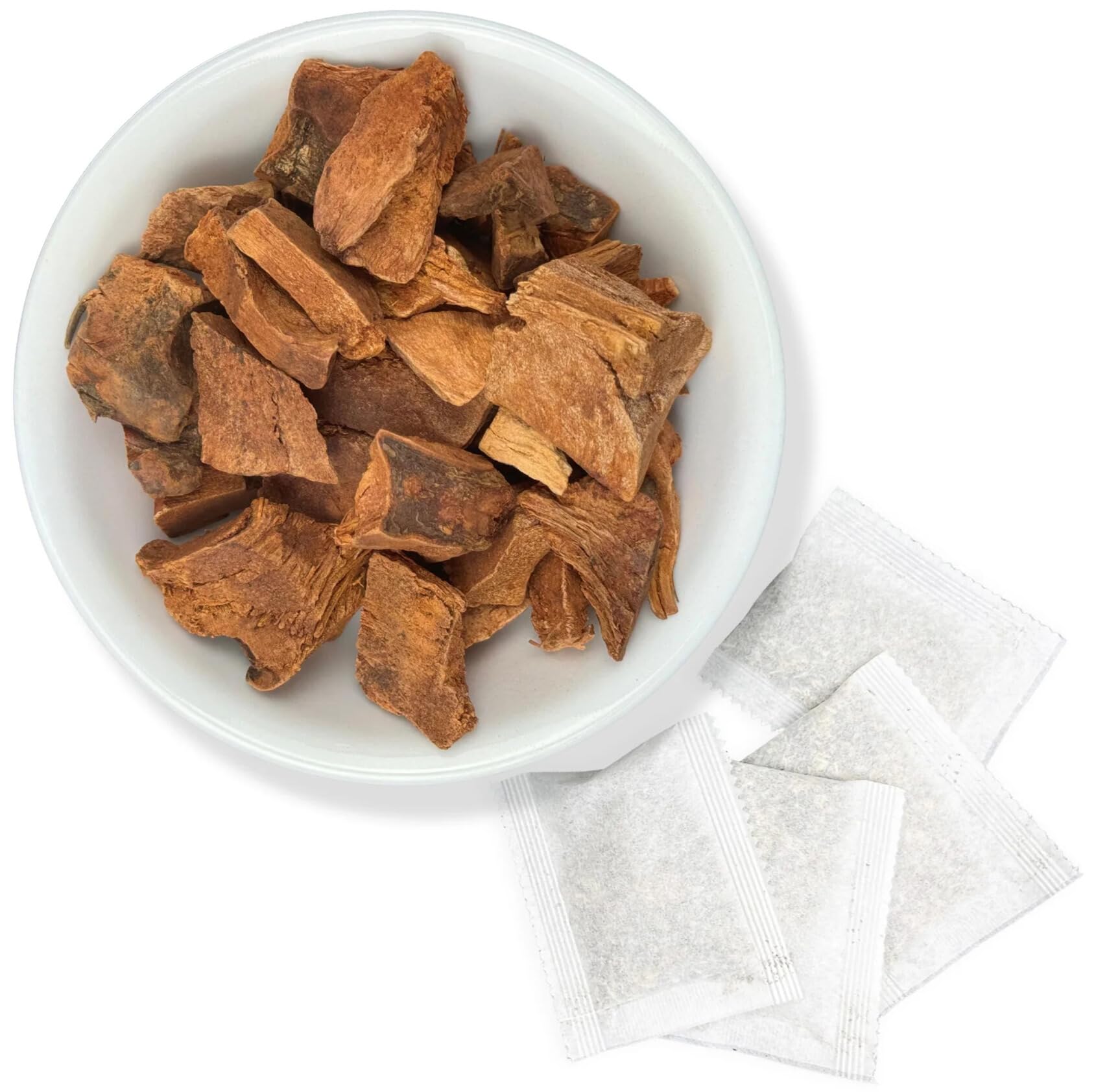
Evergreen Herbs Tea Bags (Cocolmeca) - Resealable Stand Up Pouch to Ensure Freshness!
$14.99
by Evergreen Herbs



Herbalists use the roots and the underground stems, otherwise known as the rhizomes (which are edible) Cocolmeca is a woody climbing vine plant—that many cultures believe to be a miracle plant It flowers, has heart-shaped leaves and its small red berries make it a favorite choice of food for birds in the winter It is native to Central America, Mexico and in temperate, tropical locations around the world Cocolmeca is usually prepared as capsules, tablets, teas, tinctures, tonics and as topical washes Common Names: Greenbrier, Sarsaparilla, Smilax. Herbalists use the roots and the underground stems, otherwise known as the rhizomes (which are edible). Some species of cocolmeca are even found in American Root beer. Cocolmeca is a woody climbing vine plant—that many cultures believe to be a miracle plant. It flowers, has heart-shaped leaves and its small red berries make it a favorite choice of food for birds in the winter. It is native to Central America, Mexico and in temperate, tropical locations around the world. Cocolmeca belongs to a genus of around 400 species. Traditional Chinese Medicine uses many varieties of this herb, and has been for thousands of years. There are 80 different species grown in China alone. Cocolmeca is usually prepared as capsules, tablets, teas, tinctures, tonics and as topical washes. One or two teaspoons of the herb may be mixed with 8 ounces of water as an infusion. Herbs that Cocolmeca combines with include Burdock root, Chaparral, Cleavers, Dandelion root, Pau d'Arco, Poke root, Red Clover blossoms, Yellow Dock root among others.