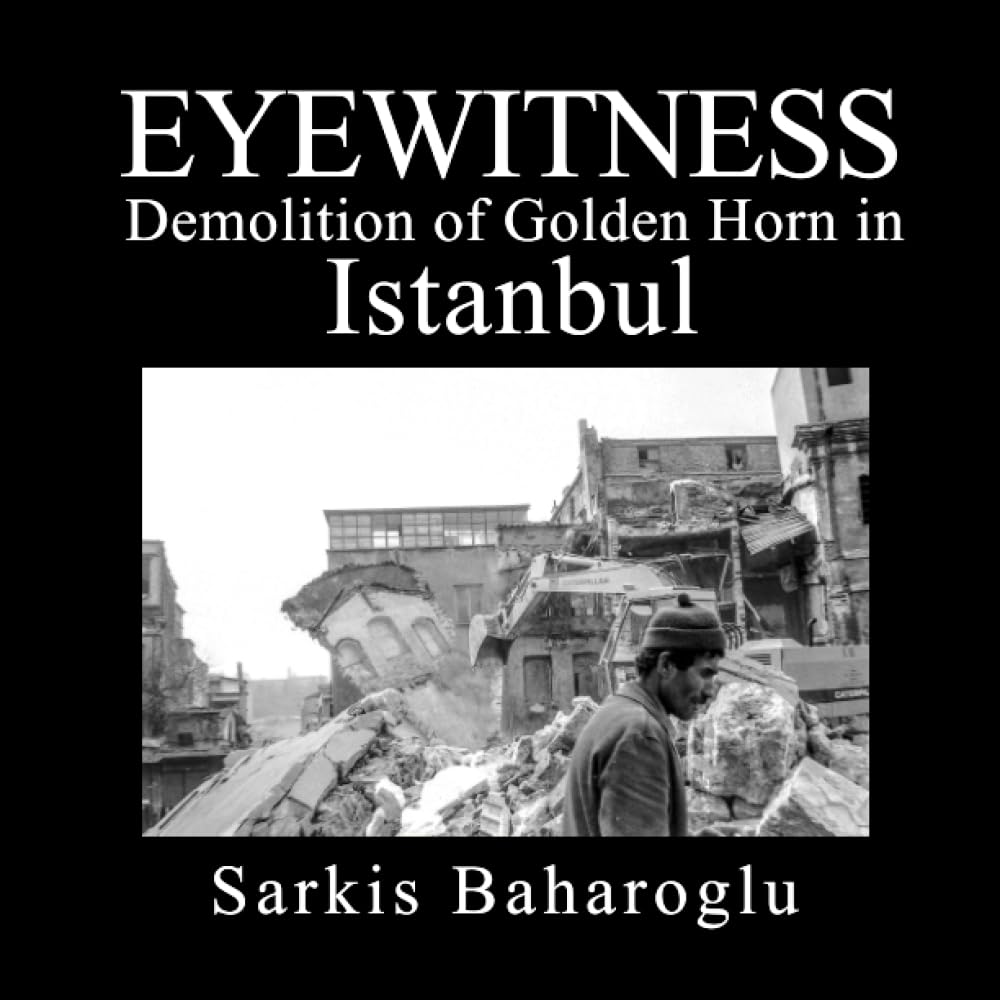



The Golden Horn is a natural harbor that curves into the European side of Istanbul. It has been an important part of the city's history since ancient times, when it was used as a commercial port.In the 18th century, the Golden Horn became known as "Sadabat," which means "place of bliss." This was a time of peace and prosperity for the Ottoman Empire, and the north end of the waterway was a popular spot for the elite to relax and enjoy the scenery. The mansions and gardens that were built in this area were known for their beauty and opulence.The Golden Horn is an important historical and cultural part of Istanbul. However, in the 1980s, it began to become polluted with the dumping of industrial and domestic waste into the sea. This pollution disrupted the ecosystem of the Golden Horn and caused the water to become cloudy, smelly, and fishless.The Istanbul municipal authorities established a commission to solve the problem. With the construction of treatment plants and environmental inspections, significant progress was made in cleaning up the Golden Horn. The water became clear, the smell decreased, and the fish population increased.However, the demolition of the surrounding buildings was a controversial intervention in the historical and cultural fabric of Istanbul. In the late 1980s, this demolition targeted an area that is an important part of Eminönü and includes historical buildings from the 19th century. More than 50 historical buildings were demolished. Most of the destroyed buildings were important artifacts from the Ottoman period. This led to the deterioration of Istanbul's historical fabric and the loss of its cultural richness.I documented this event, which also created an opportunity for some people to make a living by collecting and recovering scraps and valuables while playing a game for children.