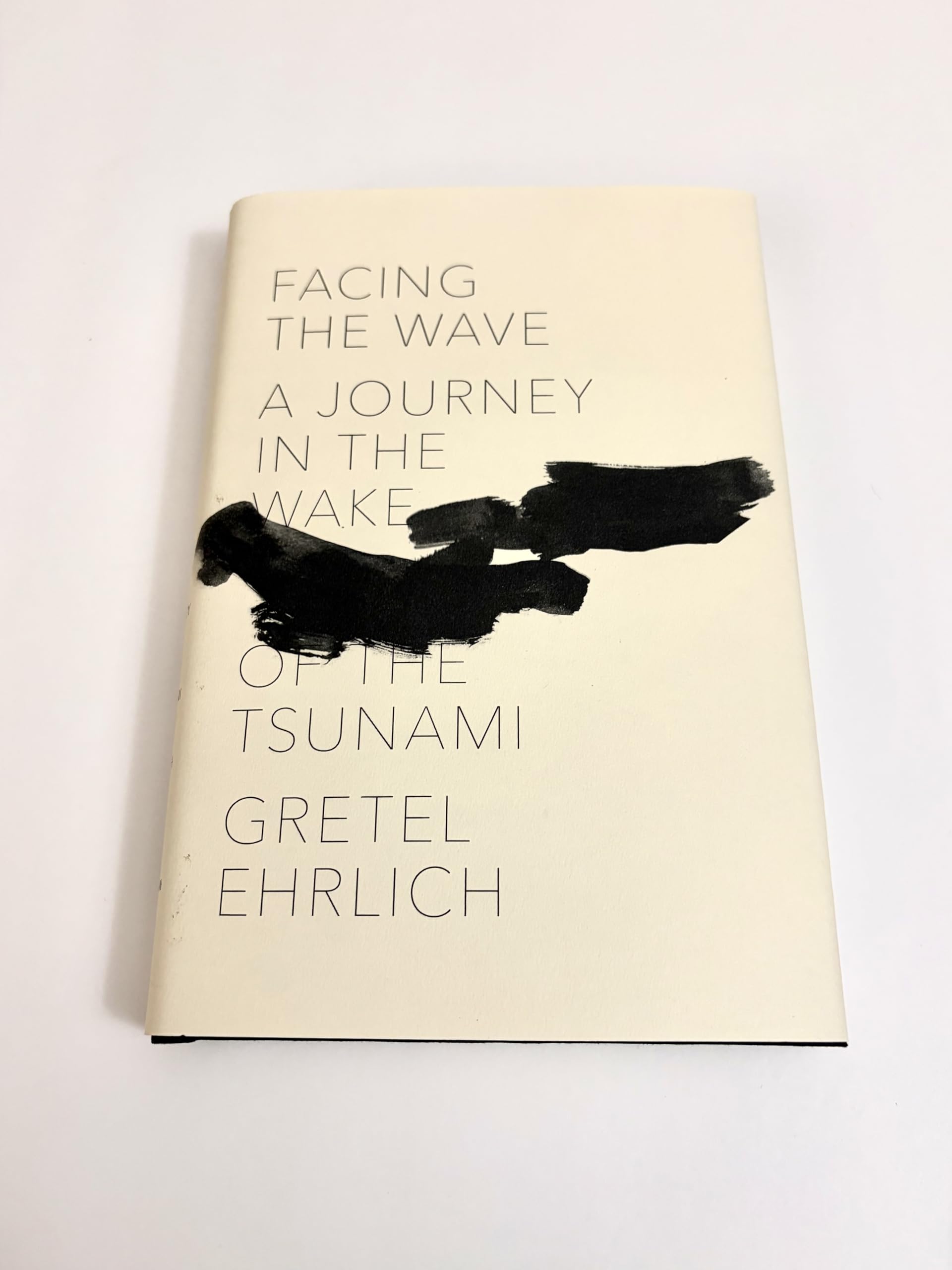



** Kirkus Best Books of the Year (2013)** ** Kansas City Star Best Books of the Year (2013)** A passionate student of Japanese poetry, theater, and art for much of her life, Gretel Ehrlich felt compelled to return to the earthquake-and-tsunami-devastated Tohoku coast to bear witness, listen to survivors, and experience their terror and exhilaration in villages and towns where all shelter and hope seemed lost. In an eloquent narrative that blends strong reportage, poetic observation, and deeply felt reflection, she takes us into the upside-down world of northeastern Japan, where nothing is certain and where the boundaries between living and dying have been erased by water. The stories of rice farmers, monks, and wanderers; of fishermen who drove their boats up the steep wall of the wave; and of an eighty-four-year-old geisha who survived the tsunami to hand down a song that only she still remembered are both harrowing and inspirational. Facing death, facing life, and coming to terms with impermanence are equally compelling in a landscape of surreal desolation, as the ghostly specter of Fukushima Daiichi, the nuclear power complex, spews radiation into the ocean and air. Facing the Wave is a testament to the buoyancy, spirit, humor, and strong-mindedness of those who must find their way in a suddenly shattered world. *Starred Review* Gifted, adventurous, and extolled nature writer Ehrlich has abiding connections to Japan, so she returned there soon after the March 2011 earthquake and tsunami. With the valiant assistance of her guides and interpreters, especially photographer Yajima Masumi, she explored the devastated Tohoku coast and listened to survivors’ stories as they endured strong daily aftershocks. Fisherman Kikuchi-san describes being swept into a 30-foot tsunami wave of water “black with diesel and gas, sewage, dirt, and blood” and dense with smashed houses, boats, cars, and bodies. Others remember running for their lives as the water surged toward them and seeing loved ones drown as entire towns were erased. Having farmed in the Sendai region for centuries, Masumi’s family struggles to replant after the tsunami only to lose it all again in a brutal typhoon. Many of the people Ehrlich meets, including Ito Tsuyako, a lovely 84-year-old geisha, are determined to adapt, but others have no hope. And the catastrophe is ongoing, as radiation from the damaged Fukushima Daiichi nuclear power plant contaminates land and sea. Ehrlich’s invaluable chronicle subtly raises questions about coastal disasters, global warming, and nuclear power as the beauty and precision of her prose and her profound and knowledgeable insights into nature’s might and matters spiritual and cultural evoke a deep state of awe and sympathy. --Donna Seaman ** Kirkus Best Books of the Year (2013)** ** Kansas City Star Best Books of the Year (2013)** “Ehrlich offers always startling work that has deservedly won her a PEN New England’s Henry David Thoreau Prize for excellence in nature writing…expect first-rate observation offered with intimate insight.” – Library Journal “Lyrical, meandering dispatches and eyewitness accounts from the devastation of the 2011 tsunami in Japan…Ehrlich renders the enormity of loss in a fashion comprehensible to her American readers…eloquent.” – Kirkus “Gifted, adventurous, and extolled nature writer Ehrlich has abiding connections to Japan, so she returned there soon after the March 2011 earthquake and tsunami…Ehrlich’s invaluable chronicle subtly raises questions about coastal disasters, global warming, and nuclear power as the beauty and precision of her prose and her profound and knowledgeable insights into nature’s might and matters spiritual and cultural evoke a deep state of awe and sympathy.”—Donna Seaman, Booklist “Ms. Ehrlich’s book adds flesh and soul and spirit to the bare bones of news reporting, filling the void left by the media and reminding us that real people live behind the headlines.” – New York Journal of Books “As Ehrlich concludes after her nine months there, ‘We can see the pain of loss and swing the other way, encountering the unexpected joy of survival.’ Her own account in this brief but unforgettable book is itself a heartrending and unexpected marvel.” — San Francisco Chronicle “Skilled reportage…As Ehrlich concludes, ‘We can see the pain of loss and swing the other way, encountering the unexpected joy of survival.’ Her own account, both harrowing and beautifully told, in this brief but unforgettable book is itself a heartrending and unexpected marvel.” — Huffington Post “Heartbreaking…[Ehrlich’s] reverence for this Asian culture allows her to add personal perspective to the vivid reporting about people whose lives and world were so utterly changed…Accompanying Ehrlich on these difficult but sometimes joyous journeys is reading that’s often hard to bear, but too compelling to set aside.” — Seattle Times “A haunting elegy and story of renewal i