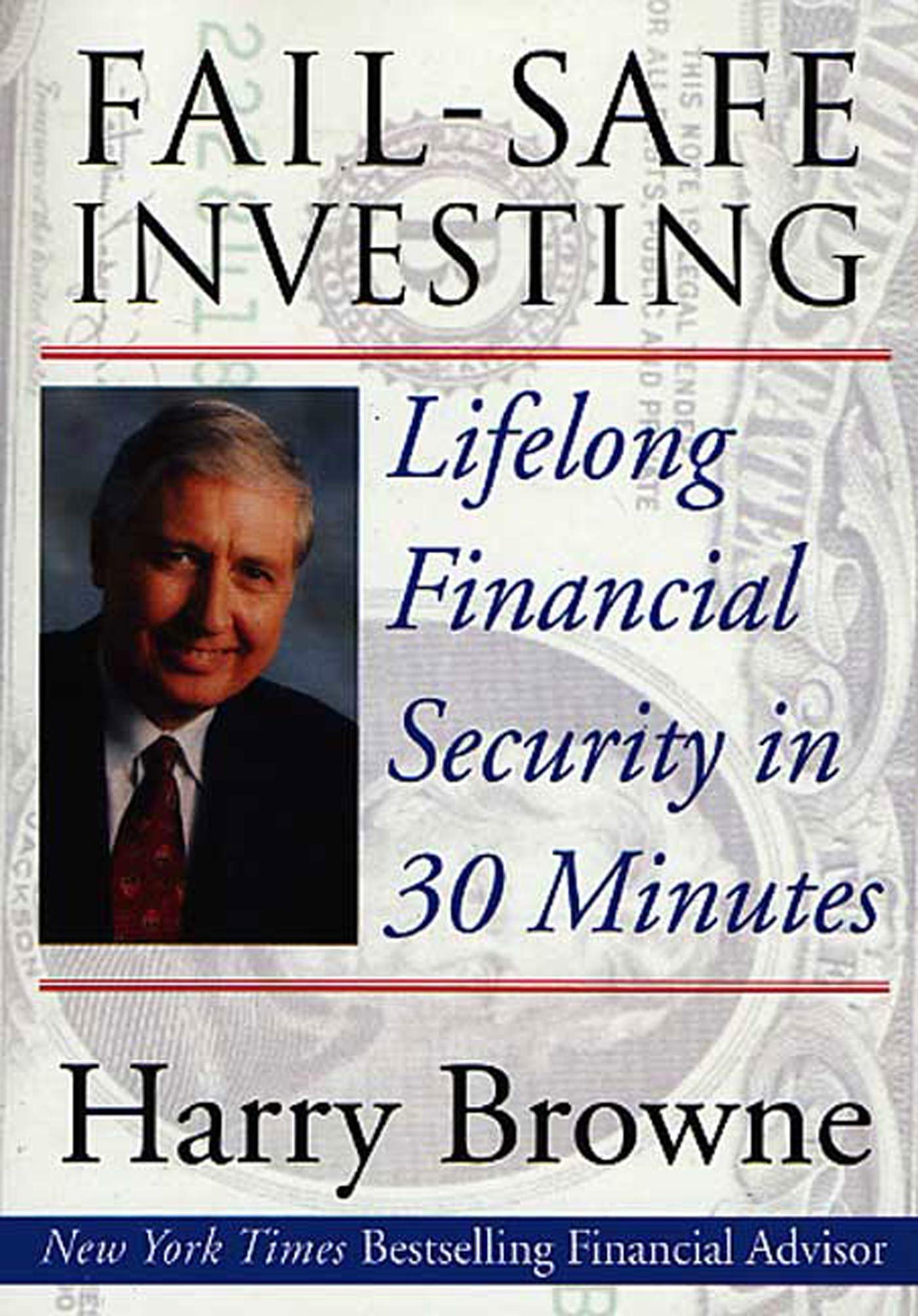



Do you worry that you're not paying enough attention to your investments? Do you feel left out when you hear about the clever things other investors seem to be doing? Relax. You don't have to become an investment genius to protect your savings. Distilling the wisdom of his thirty years' experience into lessons that can be applied in thirty minutes, Harry Browne shows you what you need to know to make your savings and investments safe and profitable, no matter what the economy and the investment markets do. There are no secret trading systems here, no jargon to learn. Instead, Harry Browne teaches you in simple terms to, among other things: -Build your wealth on your career -Make your own decisions -Build a bulletproof portfolio for protection -Take advantage of tax-reduction plans -Enjoy yourself with a budget for pleasure "Harry Browne's Permanent Portfolio is a well-thought-out investment system that applies intelligent diversification to the objective of preserving capital and, indeed, increasing that capital's purchasing power over time." - Mark Tier, author of The Winning Investment Habits of Warren Buffett & George Soros Harry Browne (1933-2006) is the author of several financial books as well as the modern classic, How I Found Freedom in an Unfree World . In 1996, he was the Libertarian Party candidate for president of the United States. He lived in Tennessee. Fail-Safe Investing Lifelong Financial Security in 30 Minutes By Harry Browne St. Martin's Press Copyright © 1999 Harry Browne All rights reserved. ISBN: 978-0-312-26321-8 Contents Prologue: Keep It Safe, Part I: The 17 Simple Rules of Financial Safety, RULE #1: Build Your Wealth upon Your Career, RULE #2: Don't Assume You Can Replace Your Wealth, RULE #3: Recognize the Difference between Investing and Speculating, RULE #4: Beware of Fortune-Tellers, RULE #5: Don't Expect Anyone to Make You Rich, RULE #6: Don't Expect a Trading System to Make You Rich, RULE #7: Invest Only on a Cash Basis, RULE #8: Make Your Own Decisions, RULE #9: Do Only What You Understand, RULE #10: Spread the Risk, RULE #11: Build a Bulletproof Portfolio for Protection, RULE #12: Speculate Only with Money You Can Afford to Lose, RULE #13: Keep Some Assets Outside Your Own Country, RULE #14: Take Advantage of Tax-Reduction Plans, RULE #15: Ask the Right Questions, RULE #16: Enjoy Yourself with a Budget for Pleasure, RULE #17: Whenever You're in Doubt, Err on the Side of Safety, Part II: More about the Rules, RULE #1: More about Your Career and Your Wealth, RULE #2: More about Protecting Your Wealth, RULE #3: More about Investing and Speculating, RULE #4: More about Fortune-Tellers and Forecasts, RULE #5: More about Relying on an Investment Expert, RULE #6: More about Trading Systems, RULE #7: More about Investing on a Cash Basis, RULE #8: More about Making Your Own Decisions, RULE #9: More about Understanding What You Do, RULE #10: More about Spreading the Risk, RULE #11: More about the Bulletproof Portfolio, RULE #12: More about Speculating, RULE #13: More about Keeping Some Assets Overseas, RULE #14: More about Tax-Reduction Plans, RULE #15: More about Asking the Right Questions, RULE #16: More about the Pleasure Budget, RULE #17: More about Erring on the Side of Safety, Epilogue: Getting On with Your Life, Appendices, A. acknowledgements, B. Where to Get Help, C. The Author, CHAPTER 1 RULE #1 Build Your Wealth upon Your Career Working together, your career and your investments can build a prosperous, secure future. But never forget that your wealth begins with your career—the way you make your day-to-day living. If you save enough from your business, profession, or job, you eventually may earn more from investing than from working. But unless you first pay attention to working and saving, you'll never share in the wealth that investing can bring. You might see advertisements claiming that investing just a few thousand dollars will put you on the road to riches. But investing is the second part of the road. The first part is the money you earn and save from your job. Rarely does someone make a large fortune from investments alone. And common sense tells you it has to be this way. Think about your own occupation, for example. Could someone without your training, your skills, your experience, and your talent outperform you at your job? Of course not. And yet too-good-to-be-true advertisements invite you— an amateur with no particular education, training, or experience in speculation—to compete, in your spare time, with professionals who have devoted their entire careers to investing, and who continue to eat, breathe, and sleep investing every day. The sad fact is that most part-time investors who try to beat the markets lose part or all of the savings they've worked so hard to accumulate. Some of them wind up using their working income to cover investment losses—and maybe even working overtime to