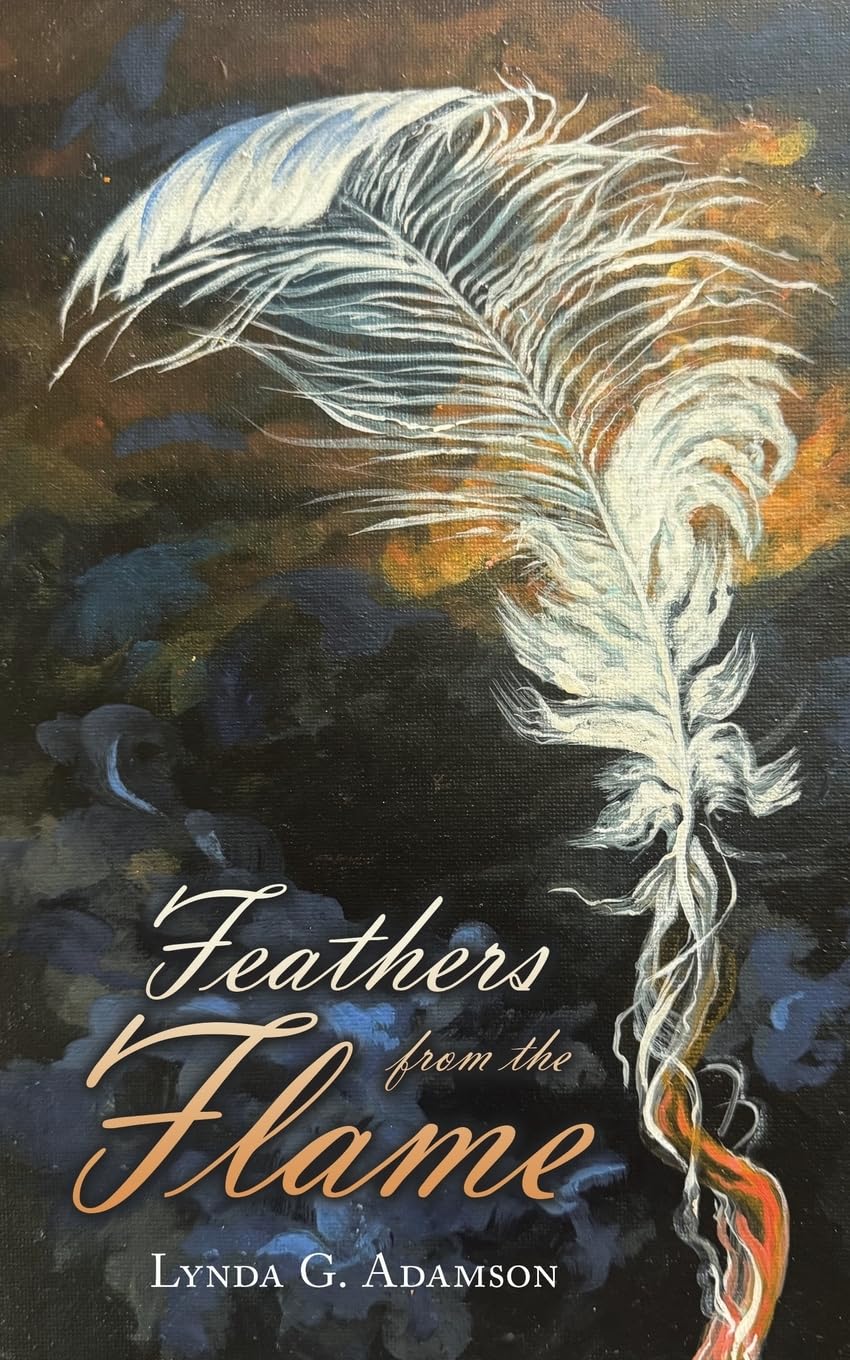



Spiritual discovery, emotional healing, and the nature of consciousness surface through Laura’s past-life regression into Hildegard of Bingen’s complex twelfth century world. Through the contemporaneous therapeutic sessions of the protagonist Laura as she is hypnotized into the person of Clothilde, the mystical, visionary world of Hildegard of Bingen is cleverly revealed by the author. (Dr Eileen Guenther, Professor Emerita of Church Music at Wesley Theological Seminary). A past life regression lands Laura in her twelfth-century self, Clothilde, where she uncovers a complicated woman within a rigid society. After leaving home to live with her future fiancé’s family, Clothilde accompanies her mother-inlaw to Disibodenberg, a monastery where she first hears stunningly beautiful music and then meets its composer, Hildegard of Bingen. In current time, Laura discovers that Hildegard did indeed exist inside the convent with her work reaching far beyond its walls. Hildegard composed music, healed the sick, traveled to preach, corresponded with kings and popes throughout Europe (including Frederick Barbarossa, Henry II, and Eleanor of Aquitaine), and founded two convents. Both Hildegard and Clothilde exhibit enormous strength in a cloistered era. Clothilde loses a fiancé in the Second Crusade, falls in love with a Jew but must marry a churlish bully, and manages a manor the size of a small town. Hildegard herself supervises the construction of her Rupertsberg convent at Bingen and then another at Eibingen while constantly writing, composing, and healing. Clothilde connects with Hildegard during regular journeys to nearby Bingen where she helps in Hildegard’s hospice and copies Hildegard’s copious correspondence. Clothilde simultaneously hides a secret that propels her to fiercely protect her family, a secret that leads Laura to the root of her own greatest fear. Fans of Outlander, Pillars of the Earth, Frozen River, and the Brother Cadfael series will welcome this stimulating story. Feathers from the Flame by Lynda G. Adamson is a metaphysical fiction novel that opens with Laura, a successful lawyer who appears confident on the outside but is anxious on the inside. She especially feels this way when it comes to commitment, deep fears, and the constant sense that she's sitting in the front row watching her life rather than living it. She reluctantly tries hypnotherapy when everything else fails and is guided by Dr. Yeonas into a vivid regression that takes her back to the year 1164. She is Clothilde in this past life, a literate laywoman living within the strict rules of medieval life. Soon, Laura begins investigating the real history behind her visions and pertaining to Hildegard of Bingen. This story sets the stage for a historically grounded journey with spiritual awakening, healing, and past-life exploration. I love how Lynda G. Adamson focuses on making this novel more reflective than plot-driven. The pacing is thoughtful and takes its time. It's a dual narrative where we are looking at Laura's life in modern-day but also looking at the meaning of Clothilde's life and experiences in the 12th century. Both threads work so well and naturally together. Laura questions gender roles, faith, authority, and self-worth, which seems to mirror how Clothilde's reality was shaped as a young woman bound by duty, loss, and a level of expectations. Even the introduction of the hypnosis doesn't come off as gimmicky. It actually feels more like a doorway reaching back into history and memory. Character development is a strong aspect of this novel. We have Laura, who is curious but skeptical, but is more of a logical and analytical person. Yet, she realizes how much Clothilde's world feels like her own. Then we have Clothilde, who begins as this passive person but becomes capable and observant. She learns very quickly and absorbs wisdom from women like Isabel, her mother, Sister Adele, and Mother Hildegard. One of the main things I love about this narrative is how it shows respect for women's unseen labor, emotionally, intellectually, and physically. Adamson highlights how women carried households, knowledge, and healing, while history highlighted other areas. The past doesn't feel romanticized, and I enjoyed the details surrounding things like music, herbs, daily chores, letters, and governance. Adamson picks up the pacing at the right time, and now we see both Clothilde and Laura evolving. Clothilde is becoming more of a strategist and developing this private inner life that seems to be richer than the part she's expected to play. Laura is becoming more forceful in her voice and restless as the session peels back layers after layers of what seems like protected wounds. Somehow, the past is exposing the present. The novel also allows us to see beauty and horror existing in the same space. On the one hand, Hildegard's music and quiet presence breathe life, and I can feel it in her character, but the contrast is the outsid