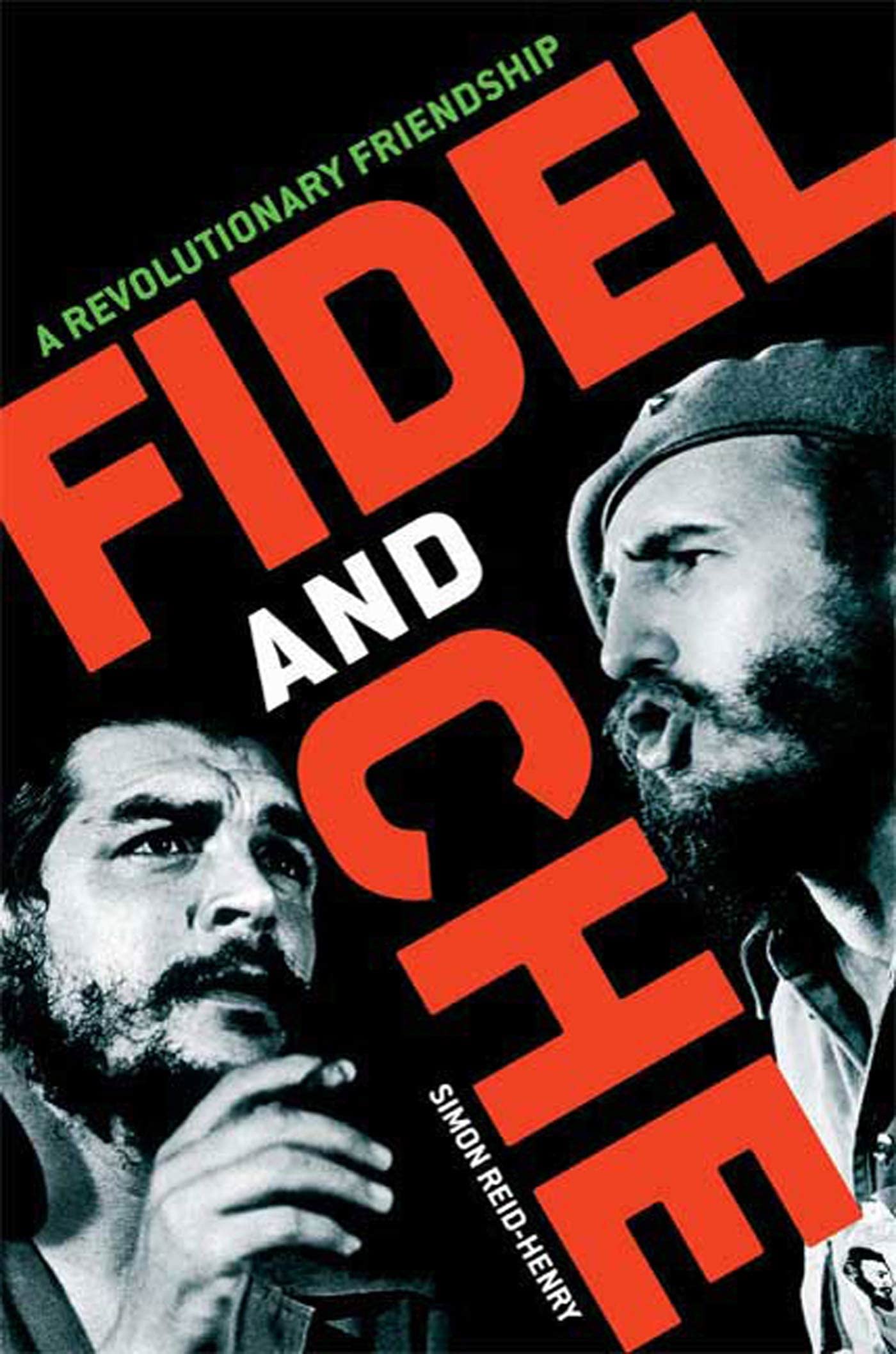



A unique dual portrait shines new light on two of the most dramatic figures of the twentieth century. Drawing on sources in Cuba, Latin America, the United States, Europe, and Russia, and on material not available to previous biographers, Simon Reid-Henry has crafted a compelling portrait of a revolutionary era and the two men whose names and deeds personify it: Fidel Castro and Che Guevara. What began as an association of convenience would fundamentally shape their political visions, propelling them further than either had dared imagine. Ironically, though, their jointly conceived vision of revolution would ultimately force them to choose between friendship and their beliefs. At a momentous turning point in Cuban history, Simon Reid-Henry offers a fascinating and original chronicle of two of the most powerful personalities in recent memory. Simon Reid-Henry is a lecturer at Queen Mary College, University of London. He has traveled often to Cuba, living there for a year while interviewing many senior figures on the island. He is regularly invited to speak on Cuba at international forums, and has written features for the Economist and the Times of London. This is his first book. He lives in London. From The Washington Post's Book World/washingtonpost.com Reviewed by Mary Speck Writers have idealized, vilified and analyzed him since he burst onto the international scene from Cuba's Sierra Maestra more than half a century ago. Is there anything left to say about Fidel Castro? Apparently there is. Two new books promise to unearth hitherto undiscovered facets of Castro's character by exploring his famous friendships: with the legendary (the word is almost obligatory here) Argentine guerrilla leader Ernesto "Che" Guevara and with Colombia's towering literary genius, Gabriel García Márquez, or Gabo. Simon Reid-Henry's dual biography, "Fidel and Che," opens on the early November morning in 1956 when 82 men squeezed onto a shabby 63-foot yacht for the voyage from Mexico's Gulf coast to join an insurrection in Cuba. Of the original rebels only about 20 lived to fight Gen. Fulgencio Batista's government. The others died shortly after their overloaded, water-logged vessel, filled with seasick rebels, ran aground on a sandbar off southeastern Cuba. The coast guard quickly spotted the shipwreck and alerted Batista's forces. As the rebels sought cover in a swampy wasteland, the Cuban military gunned them down from air and sea, then moved in to capture and execute the survivors. It was an inauspicious start that might well have been forgotten, like so many other failed rebellions in Latin America's long, sad history of repression and revolt. That it wasn't testifies to Castro's luck, determination and ruthless ambition. Of his lieutenants, none was more zealous than Guevara, a wandering physician and (unlike most of the rebels) a committed Marxist. Reid-Henry tells his tale well, a bit too well. Details that might complicate the plot -- or tarnish his two revolutionary stars -- get only fleeting mention, if any. The author dismisses Guevara's responsibility for the summary execution of anywhere from several dozen to several hundred people as "swift revolutionary justice" and examines it no further. He sums up the public show trials that Castro instigated as a "terrible mistake," presumably because many foreign reporters reacted with revulsion as crowds filled Havana's stadium, jeering at the suspects and calling out for firing squads. Nowhere has Reid-Henry airbrushed his portraits more carefully than in the final chapters on Guevara's disastrous expedition to Bolivia. He rejects the idea of a rupture between the two revolutionaries, though it is hard to see how Castro could have tolerated his charismatic friend's increasingly intemperate criticism of their Soviet allies. The attempt to start a revolution from scratch in Bolivia laid bare the heroic myth -- cultivated so assiduously (and self-servingly) by Castro and Guevara -- that a tiny band of guerrillas could spark mass rebellion. Bolivia's small farmers, impoverished though they were, wanted no part of it. Reid-Henry refrains from quoting Guevara's own candid analysis in his diary: "The peasant base has not yet been developed although it appears through planned terror we can neutralize some of them. . . . Not one enlistment has been obtained." But Guevara's execution by the Bolivian military propagated his image -- emblazoned in decades to come on the T-shirts of would-be rebels around the world -- as a romantic martyr willing to die in a hopeless struggle. Castro's reputation has not fared quite so well. Nearly six decades in power -- which he finally ceded last year to his not much younger brother -- made him modern Latin America's most enduring dictator. Over that time nearly all the intellectuals and artists whose applause once helped invigorate Castro's revolution have grown disillusioned with his government's censorship, arbitrary imprisonments, executio