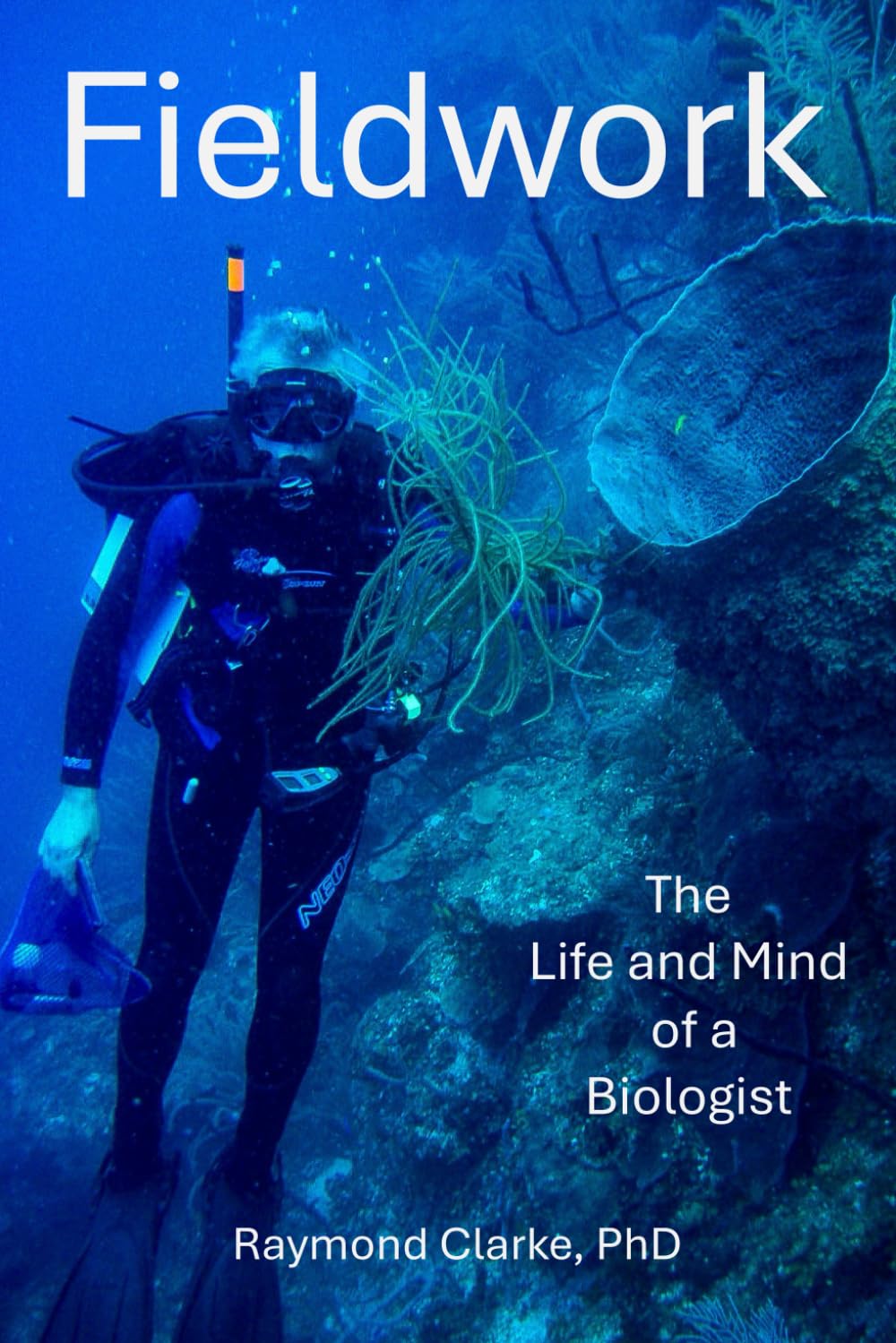



Dive into the enthralling journey of scientific exploration in this captivating memoir as renowned scientist Dr. Raymond Clarke shares an intimate and profound account of his groundbreaking research and the personal experiences that shaped his career. This engagingly written book is a blend of scientific knowledge and personal narrative that makes complex ideas accessible and compelling. Dr. Clarke offers a rare glimpse into the life of a scientist. On a year-long sabbatical, he discovers the tiny tropical fish that sets the course for more than 30 years of his research, through which he comes to understand that there is always more to learn if we keep looking and bring our whole, creative selves to the endeavor. Delve into his personal reflections, the ethical dilemmas he faced, and the inspirations behind his most significant breakthroughs. This memoir is not just a recount of experiments and data—it’s a narrative woven with passion, perseverance, and the triumphs and tribulations of a life dedicated to science. Whether you’re a budding scientist, a curious reader, or simply fascinated by the stories of those who push the boundaries of human knowledge, Fieldwork offers an inspiring and enlightening read. Join Dr. Clarke as he unravels the mysteries of his scientific journey and reflects on the legacy he hopes to leave behind. Publishers Weekly Scientist Clarke walks readers through his life, starting from boyhood and covering his extensive education and professional work as a biologist, in this easygoing debut. Just as comfortable on land as in water-and deeply connected to the natural world-Clarke writes with loving devotion about his work in the field, whether he's studying the feeding patterns of tiny fish or recalling an undergraduate project on the behaviors of spiders. In lush descriptions of backyard exploring, he shares how his upbringing shaped his love of the outdoors, before building to his life's work "investigating the behavioral ecology of reef fishes." Throughout, he crafts his observations with an inquisitive curiosity that entertains as much as it educates. Despite the often-complex subject matter, readers will find Clarke's style easy to digest. He veers from technical writing to a more relaxed, creative manner that brings the natural world to life, unraveling his astonishment at the billowing underwater environment he falls in love with, where "fluorescently colored juvenile reef fish [dart] about" and "territorial three-spot damselfishes" take their aggression out on him. Despite that lighthearted feel-Clarke even declares that "science is a form of play"-his recollections center on the importance of data collection and analysis, explaining to readers how fieldwork helps him strike a balance between immersing himself in the natural environment and becoming "an intellectual being engaged in abstract thought." The most powerful sections in Clarke's memoir revolve around his family's annual trips to St. Croix, a reunion of sorts for them. He writes, "That first snorkel always felt like a homecoming. I was surrounded by fish and corals I knew intimately... I belonged here, and the reef community welcomed me." Those trips were the breeding ground for several breathtaking discoveries, and Clarke includes personal photographs of his family during their time there. Nature lovers and curious minds will be fascinated. Takeaway: Compelling memoir that blends scientific inquiry with rich personal recollections. Comparable Titles: Christine Figgener's My Life with Sea Turtles, Juli Berwald's Spineless.