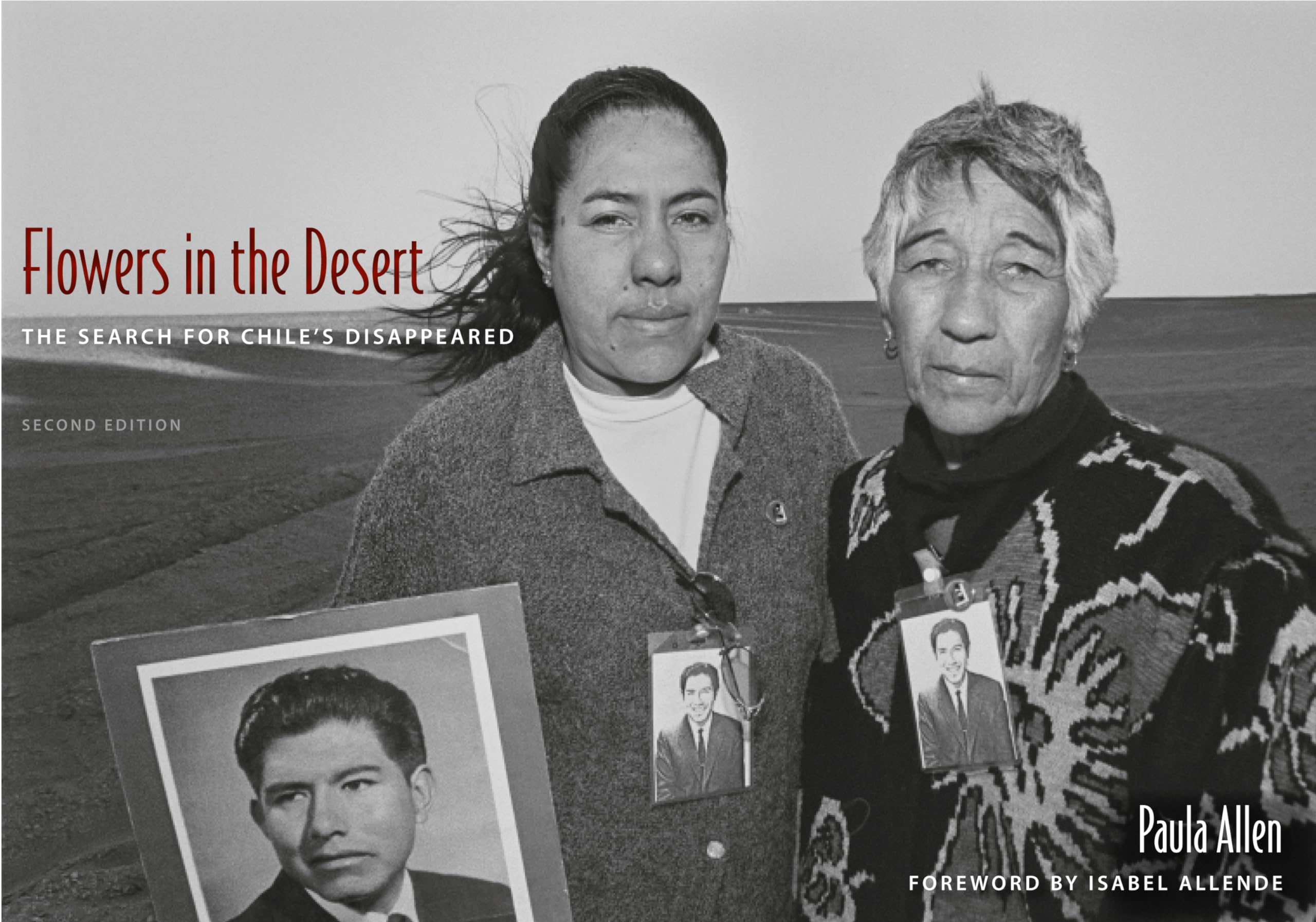



“Behind the plan of exterminating those innocent men whose only sin was to have supported the legitimate president of Chile, behind the plan of sequestering their bodies so that no one could find their remains, there was the presumption that the desert would be a place of silence, that the desert was too vast and forbidding to ever yield its secrets. There was the certainty that the desert would be barren, quiet, as dead as the men who had been murdered. Those who committed these crimes were wrong.”—from the afterword by Ariel Dorfman On September 11, 1973, with the backing of the Nixon administration, armed forces led by General Augusto Pinochet overthrew the socialist government of Chilean president Salvador Allende. Following Pinochet’s seizure of power, ordinary citizens began to vanish from the cities and villages of Chile. This process became known as “disappearing”—the abduction of people from their homes, places of work and universities—never to be seen again. One month after the coup, a contingent of soldiers boarded a military helicopter and embarked on a mission later called the “Caravan of Death.” On October 19, the soldiers made their final stop, in Calama, where twenty-six men were executed, their bodies buried in a secret desert grave. In all, the Caravan murdered a total of seventy-five people from five different cities. During the first few years after the disappearances, many of the wives, mothers, sisters, daughters, and grandmothers of the men of Calama met secretly. Frustrated by officials’ unwillingness to provide information about their loved ones, the women set out to find the bodies themselves. For seventeen years they searched the Atacama Desert, the driest place on Earth, digging with shovels under a scorching sun, until they finally found the mass grave containing the crushed remains of their relatives. Paula Allen’s mesmerizing black and white photographs capture the courageous story of these women. The images reveal an overwhelming love, a heartrending sadness, and an unspeakable commitment to the search for the truth. Flowers in the Desert puts a human face on this dark period of history that affected not only Chile but much of Latin America and the world. Behind the plan of exterminating those innocent men whose only sin was to have supported the legitimate president of Chile, behind the plan of sequestering their bodies so that no one could find their remains, there was the presumption that the desert would be a place of silence, that the desert was too vast and forbidding to ever yield its secrets. There was the certainty that the desert would be barren, quiet, as dead as the men who had been murdered. Those who committed these crimes were wrong. from the afterword by Ariel Dorfman On September 11, 1973, with the backing of the Nixon administration, armed forces led by General Augusto Pinochet overthrew the socialist government of Chilean president Salvador Allende. Following Pinochet s seizure of power, ordinary citizens began to vanish from the cities and villages of Chile. This process became known as disappearing the abduction of people from their homes, places of work and universities never to be seen again. One month after the coup, a contingent of soldiers boarded a military helicopter and embarked on a mission later called the Caravan of Death. On October 19, the soldiers made their final stop, in Calama, where twenty-six men were executed, their bodies buried in a secret desert grave. In all, the Caravan murdered a total of seventy-five people from five different cities. During the first few years after the disappearances, many of the wives, mothers, sisters, daughters, and grandmothers of the men of Calama met secretly. Frustrated by officials unwillingness to provide information about their loved ones, the women set out to find the bodies themselves. For seventeen years they searched the Atacama Desert, the driest place on Earth, digging with shovels under a scorching sun, until they finally found the mass grave containing the crushed remains of their relatives. Paula Allen s mesmerizing black and white photographs capture the courageous story of these women. The images reveal an overwhelming love, a heartrending sadness, and an unspeakable commitment to the search for the truth. Flowers in the Desert puts a human face on this dark period of history that affected not only Chile but much of Latin America and the world. Paula Allen is a documentary photographer whose work spans more than three decades and has appeared in numerous international publications. She has photographed for such human rights organizations as Amnesty International, Refugees International, and V-Day: A Global Movement to End Violence Against Women and Girls, in places including the Balkans, Afghanistan, the Democratic Republic of Congo, Haiti, and post-Katrina New Orleans. “To read this book is to hold two eternally opposed human forces in your h