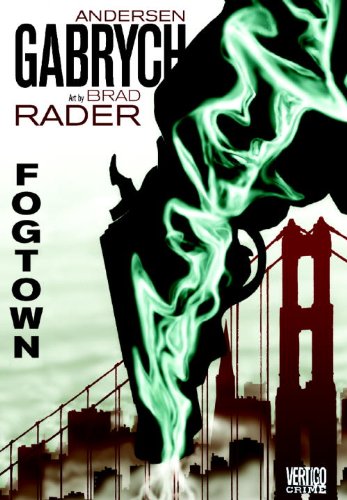



A gritty, graphic pulp fiction about the temptation, damnation and redemption of Frank Grissel, an aging, hard-knuckled private eye--and a deeply closeted homosexual, set in the very real world of 1953 San Francisco. Aided by his long-suffering secretary (and sometime live-in lover) Loretta, Grissel's search for a runaway girl winds up with him becoming a suspect in a string of gruesome murders. The case takes twists and turns through the Golden Gate's greasy underbelly: the beguiling arms of Chinese shipping heiress (and smuggler) Lady Tze; an unexpected reunion with Betty Grey, the daughter he abandoned long ago; the loss of Loretta to the sadistic clutches of the high-powered "Colonel;" and finally the horrifying gender-bending truth about the runaway and the murders and all those missing organs. Frank also confronts his own "horrifying truth," earning his daughter's forgiveness and, perhaps, the love of another man. Gr 12 Up–The book opens on a foggy, summer night in San Francisco, 1953. Grizzled, tough-talking Frank Grissel is a boozer and a private investigator by trade. Searching for a missing girl, he stumbles upon possible connections with the murders of local prostitutes, an evangelistic millionaire, the Chinatown drug trade, and his own haunted past. Gabrych crafts a well-written, well-paced piece of noir. Grissel's wry, cynical internal monologue appears in lettering reminiscent of a typewriter, adding to the period mood. The story is full of interesting characters and surprising twists and turns, and readers will be compelled to reread passages to see hints of the dark secrets hiding in the shadows, literally and figuratively. Emulating the comic-book art of the 1950s, Rader's black-and-white pen-and-inks finished in graytones create bleak, mesmerizing images. With its skillful use of light, shadow, and fog, the illustrations are extremely effective and easy to follow. The language reflects its time period with racial slurs and derogatory names for homosexuals and women. Artwork includes nudity, eviscerated bodies, and suggestive scenes of sodomy. Fogtown is a gritty excursion into the dark underbelly of San Francisco. The gripping crime mystery unfolds in stark panels of eye-catching artwork. This is for mature, older teens looking for a hard-boiled, hard-hitting read.–June Shimonishi, Torrance Public Library, CAα(c) Copyright 2010. Library Journals LLC, a wholly owned subsidiary of Media Source, Inc. No redistribution permitted. Set in San Francisco circa 1953, the story of hard-drinking private eye Frank Grissel steeps itself in the tropes of hard-boiled detective fiction—to the point that some crime fans will be rolling their eyes before they’ve turned many pages. But, as we navigate a missing-person case that (of course) is not what it seems, we learn that Frank isn’t what he seems either. In fact, as he gets beat up by good guys and bad guys alike, fights with his secretary lover, and confronts a creepy priest, a curvy psychiatrist, and a pious businessman, this convoluted caper leads into some seriously sordid territory. The surprises in character and plot are interesting updates on the genre; one only wishes that Gabrych handled the story with a bit more élan. Rader’s black-and-white art is effective yet crude, belying his career as a storyboard artist, but marred by inconsistency, particularly in the characters. Readers who relish sex, violence, and subversion may not mind, but they may wish it was more clearly drawn, too. --Keir Graff