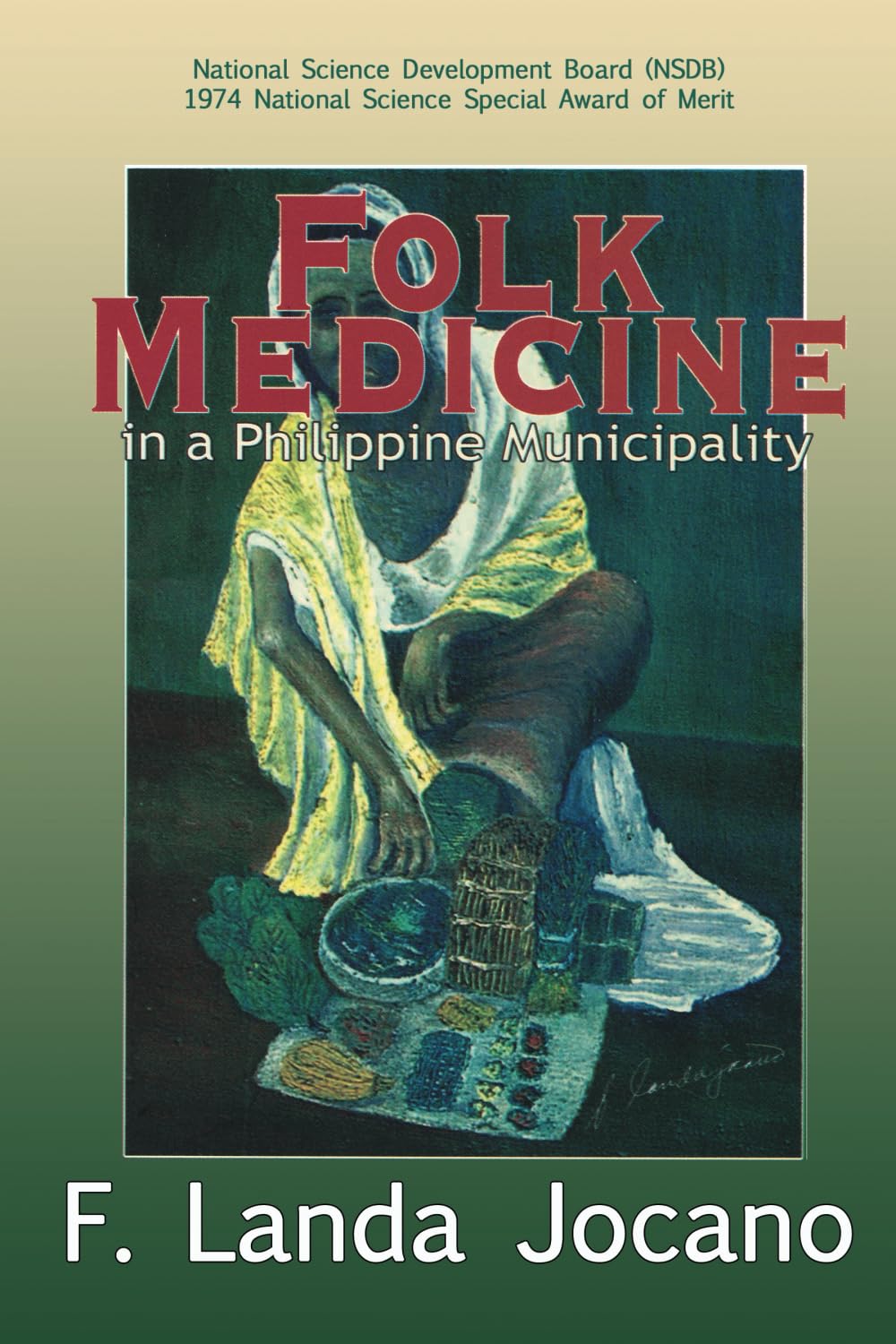



Folk medicine in the Philippines has a rich and diverse history, often deeply rooted in cultural practices and beliefs. Let’s explore some aspects of folk healing in a specific Philippine municipality, Bay, Laguna , as analyzed by F. Landa Jocano : Setting and Foundation : The context of folk medicine is shaped by the local environment, social relationships, and cultural norms. - Bay, Laguna serves as the backdrop for understanding how folk healing practices have evolved. - Concepts of Health and Illness : In folk medicine, health and illness are viewed holistically, considering physical, emotional, and spiritual aspects. - Healers play a crucial role in diagnosing and treating ailments. They draw upon a combination of traditional knowledge , herbal remedies , and rituals . - Healing Methods : Herbal Remedies : Folk healers use various plants , leaves , and roots to create concoctions believed to have curative properties. - Supernatural Beliefs : Healing often involves invoking spirits , ancestors , or nature to aid in recovery. - Rituals and Prayers : Ceremonies, chants, and rituals are performed to address illness and restore balance. - Social and Cultural Context : Folk medicine is deeply intertwined with community life. It reflects the collective wisdom of generations. - Peasants , mothers , and other community members actively participate in healing practices. - Implications for Modern Medicine : The coexistence of folk medicine and modern medicine raises questions about integration and collaboration. - Understanding local healing practices can inform healthcare policies and improve patient outcomes. In summary, folk medicine in Bay, Laguna, Philippines, is a fascinating blend of tradition, spirituality, and community support. It continues to shape the health and well-being of the people in this municipality