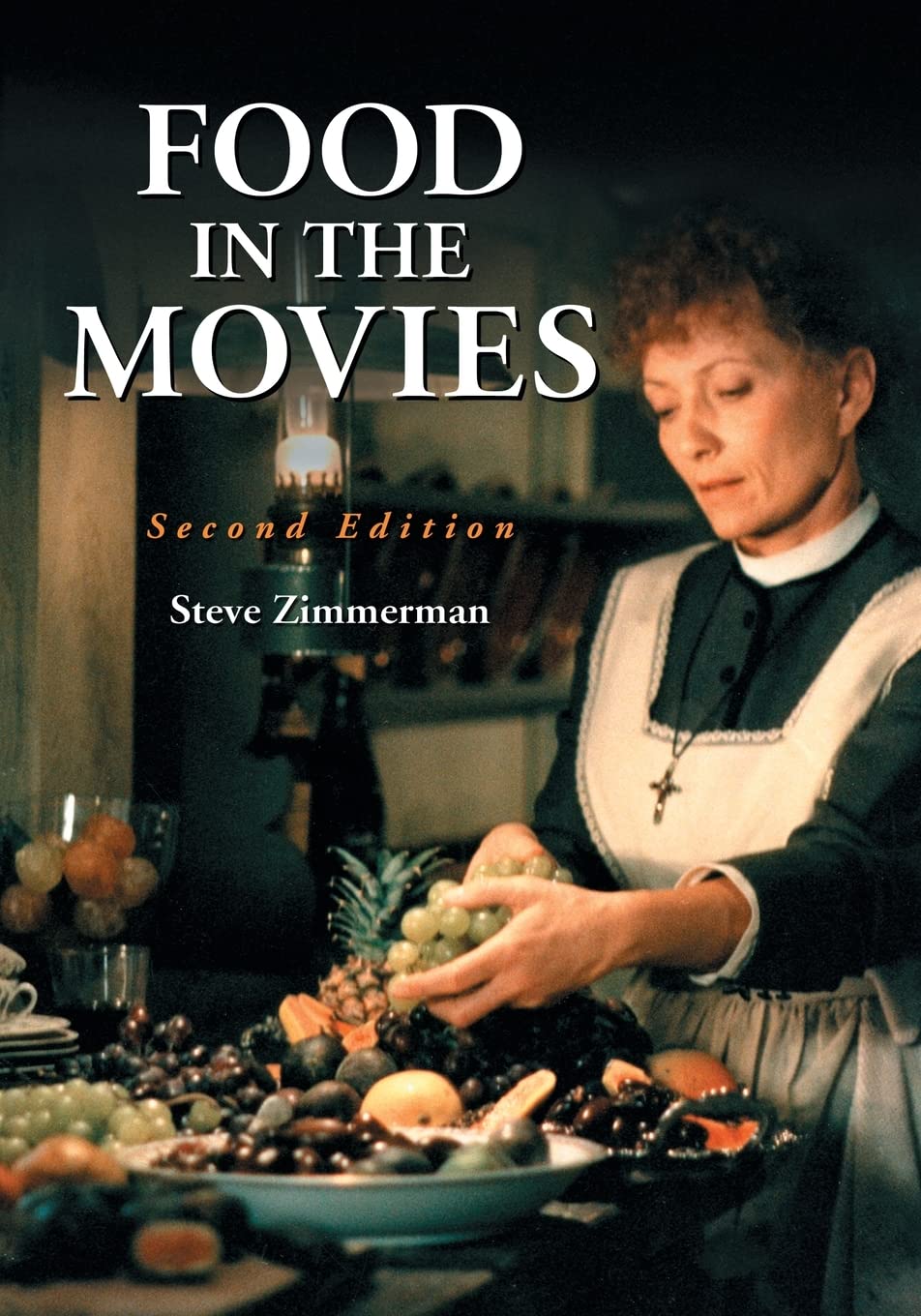



Although food has been part of motion pictures since the silent era, for the most part it has been treated with about as much respect as movie extras: it's always been there on the screen but seldom noticed. For the most part filmmakers have settled on three basic ways to treat food: as a prop in which the food is usually obscured from sight or ignored by the actors; as a transition device to compress time and help advance the plot; as a symbol or metaphor, or in some other meaningful way, to make a dramatic point or to reveal an aspect of an actor's character, mood or thought process. This hugely expanded and revised edition details 400 food scenes, in addition to the 400 films reviewed for the first edition, and an introduction tracing the technical, artistic and cultural forces that contributed to the emergence of food films as a new genre--originated by such films as Tampopo, Babette's Feast and more recently by films like Mostly Martha, No Reservations and Ratatouille . A filmography is included as an appendix. Although food has been part of motion pictures since the silent era, for the most part it has been treated with about as much respect as movie extras: it's always been there on the screen but seldom noticed. For the most part filmmakers have settled on three basic ways to treat food: as a prop in which the food is usually obscured from sight or ignored by the actors; as a transition device to compress time and help advance the plot; as a symbol or metaphor, or in some other meaningful way, to make a dramatic point or to reveal an aspect of an actor's character, mood or thought process. This hugely expanded and revised edition details 400 food scenes, in addition to the 400 films reviewed for the first edition, and an introduction tracing the technical, artistic and cultural forces that contributed to the emergence of food films as a new genre--originated by such films as Tampopo, Babette's Feast and more recently by films like Mostly Martha, No Reservations and Julie & Julia. A filmography is included as an appendix. Although food has been part of motion pictures since the silent era, for the most part it has been treated with about as much respect as movie extras: it's always been there on the screen but seldom noticed. For the most part filmmakers have settled on three basic ways to treat food: as a prop in which the food is usually obscured from sight or ignored by the actors; as a transition device to compress time and help advance the plot; as a symbol or metaphor, or in some other meaningful way, to make a dramatic point or to reveal an aspect of an actor's character, mood or thought process. This hugely expanded and revised edition details 400 food scenes, in addition to the 400 films reviewed for the first edition, and an introduction tracing the technical, artistic and cultural forces that contributed to the emergence of food films as a new genre--originated by such films as Tampopo, Babette's Feast and more recently by films like Mostly Martha, No Reservations and Julie & Julia. A filmography is included as an appendix. Steve Zimmerman of Oakland, California, is president of East West Promotions, a marketing and advertising agency specializing in food accounts. Used Book in Good Condition