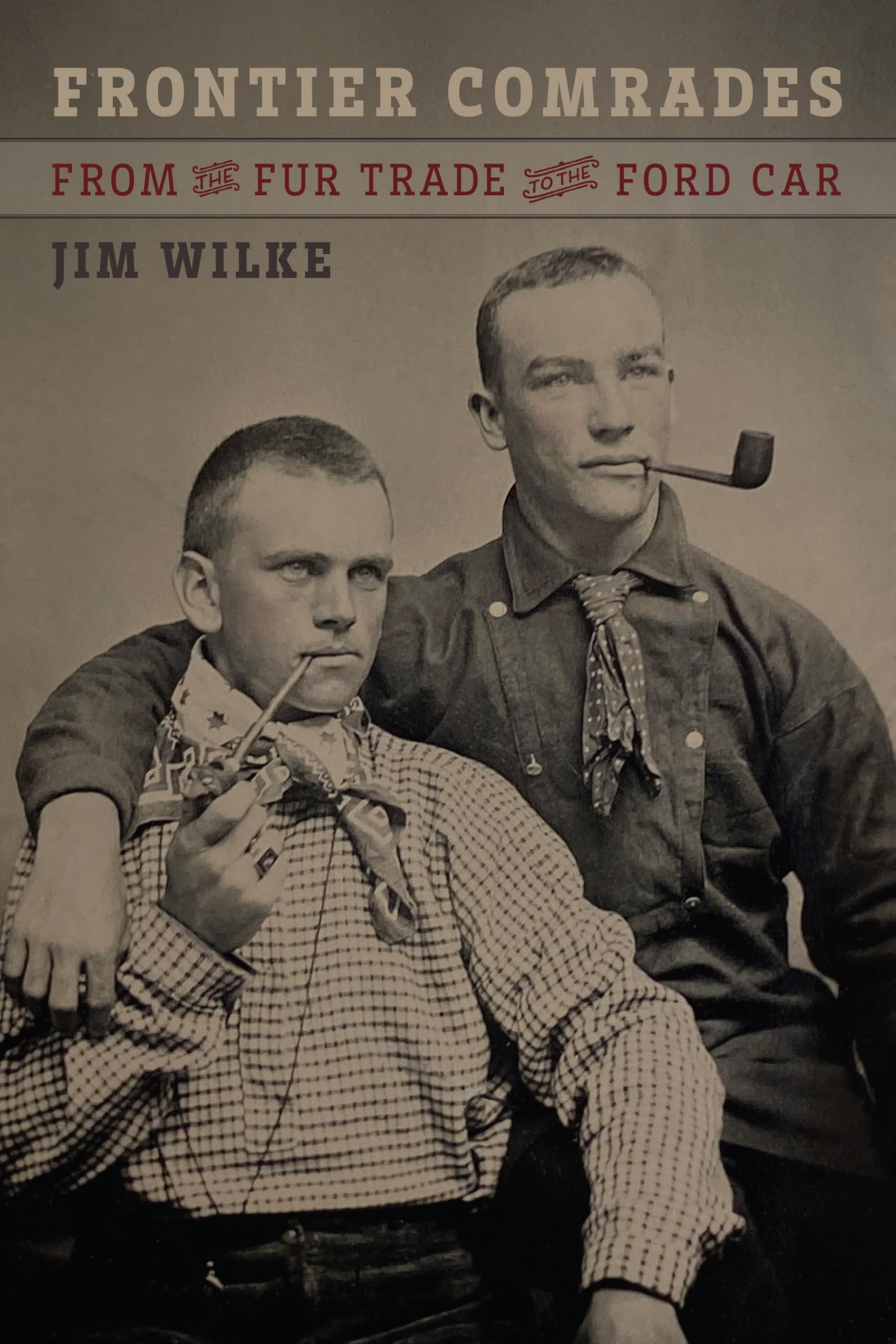



Frontier Comrades examines six accounts of lesbian, gay, bisexual, and transgender lives on the frontier of the American West. Each account interprets this history through experiences that take place in different parts of the West, moving chronologically from the fur trade era to the dawn of the automobile age. Jim Wilke provides the first comprehensive accounts of figures such as transgender stage driver Charley Parkhurst; transgender Seventh Cavalry laundress Mrs. Noonan (also known as Mrs. Nash); and the extraordinary Clara Dietrich and Ora Chatfield, known by the contemporary press as “lady lovers.” Frontier Comrades also offers glimpses of individual personalities: the cool and detached grandeur of William Stewart as he traversed the West during the fur trade era; the stubborn determination of Charley Parkhurst after California’s gold rush; the careful, giddy energy of Mrs. Noonan; the hidden passions of Tombstone sheriff William Breakenridge for a Vanderbilt and a local rustler; the desperate bravery of Dietrich and Chatfield as they sought to elope from Victorian Aspen; and the masculine, matter-of-fact comradeship of loggers and miners as they worked the distant Sierras. The maelstrom of opportunities and conflicts that made up the West affected lesbian, gay, bisexual, and transgender westerners in intrinsically personal ways. The accounts in Frontier Comrades provide an intimate yet expansive view of the American West. "An illuminating survey of the past's hidden queer lives."— Publishers Weekly “Wilke has written a fascinating, informative, and entertaining history of LGBT folks in the American west. . . . The book provides a valuable resource for anyone interested American LGBT history.”―Hank Trout, Gay & Lesbian Review “ Frontier Comrades places the life stories of six LGBTQ individuals squarely at the center of the history of the American frontier, bringing to life the times and places where these different individuals found opportunities in the West to live on their own terms.”—Carolyn Brucken, senior curator at the Autry Museum of the American West “Jim Wilke’s vividly drawn histories evoke sexual and cultural borderlands. . . . Readers will encounter here a West that is both familiar from countless frontier narratives and yet unfamiliar in its well-documented accounts of LGBTQ stories. Together these portraits reinstate complexity and humanity to storied times and places—gay, lesbian, and transgender lives that were there all along.”—Josh Garrett-Davis, H. Russell Smith Foundation Curator of Western American History at the Huntington “With careful storytelling Jim Wilke’s Frontier Comrades follows the complex lives of gay, queer, and transgender individuals who inhabited the borderlands of the U.S. West. With engaging prose this work helps paint a much more detailed portrait of desire and identity in American history than previously seen.”—Rebecca Scofield, author of Outriders: Rodeo at the Fringes of the American West Jim Wilke is a former curator of technology at the Autry Museum of the American West and is a consulting historian on railroad and Western history for numerous organizations. He is the coauthor of Stagecoach! The Romantic Western Vehicle . 1 William Stewart and the Great West For tens of thousands of years, herds of bison dominated the North American plains. They are among the largest animals on the continent and once numbered in the tens of millions, roaming the landscape in gigantic herds up to several miles wide, a constant parade of rutting, mating, and searching for fresh grass. Migrating herds moved along familiar paths worn into the ground by generations of animals that preceded them, and this in turn dictated the movements of people who hunted them. At that time, all hunters pursued the bison on foot, and skilled hunters earned respect among their peers while ensuring the spiritual balance of life through the act of the hunt. The calendar of their lives and the lives of their families followed these seasonal transformations of meat, sinew, bones, and hide into food, shelter, tools, and clothing, in a pattern as regular as the movements of sun and moon. This ancient pace of life had quickened dramatically by the eighteenth century, when horses brought into North America by the Spanish and French offered a new, fast, and nimble platform for tribes and hunters, enabling them to hunt more efficiently. Mastery of the horse meant mastery of the plains, thereby increasing the scale of the hunt along with the wealth and status of tribes, as well as the measure of a hunter’s personal capacity, and all of this within the predetermined spiritual path of their world. For sporting Europeans such as William Stewart, the North American buffalo hunt was at once a primal and compelling spectacle. It possessed a sphere of influence, he thought, akin to a ritual or spiritual presence, distinct from the rest of the world, especial