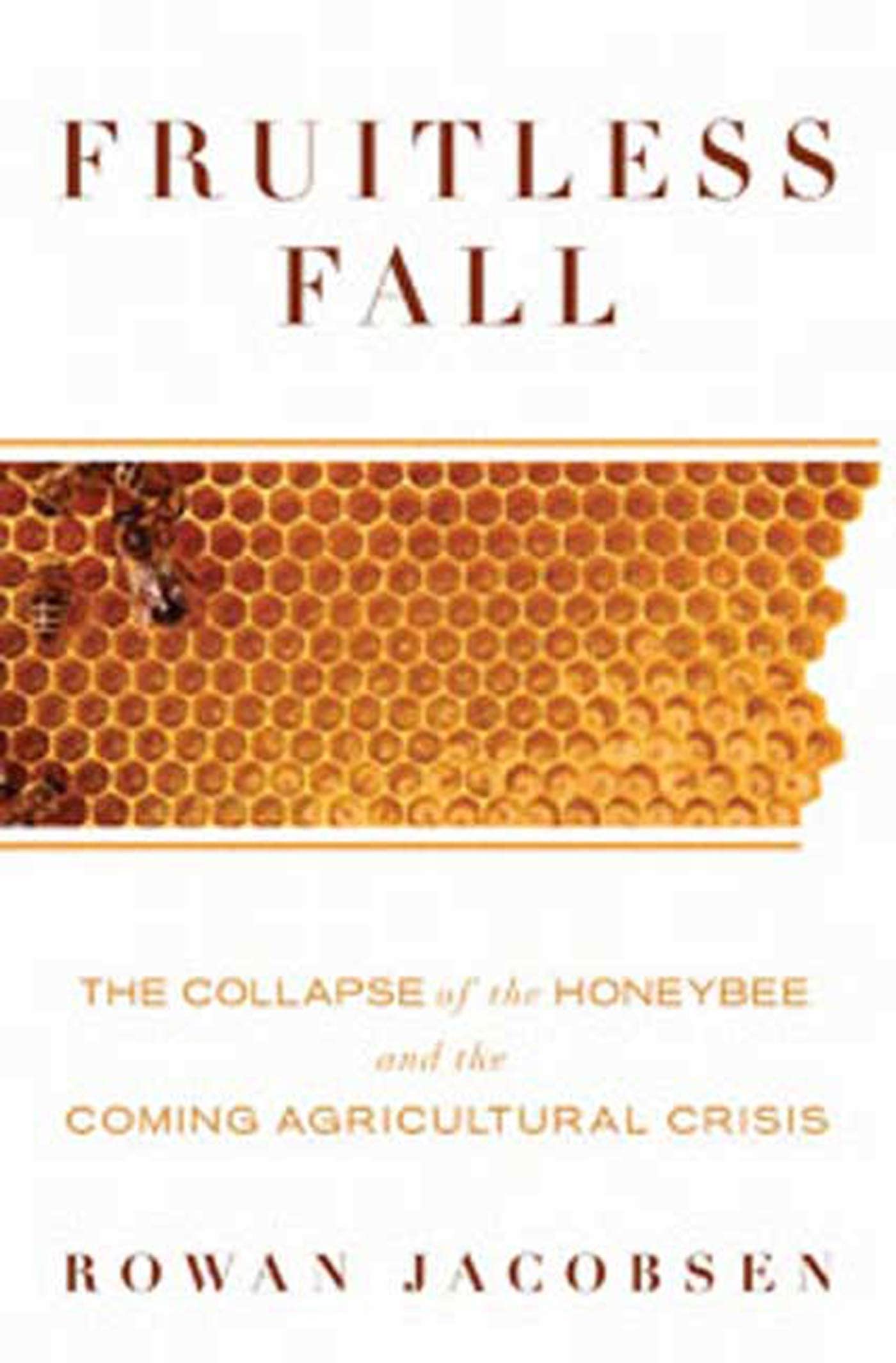
Fruitless Fall: The Collapse of the Honey Bee and the Coming Agricultural Crisis
$14.83
by Rowan Jacobsen



How the disappearance of the world's honeybee population puts the food we eat at risk. Many people will remember that Rachel Carson predicted a silent spring, but she also warned of a fruitless fall, a time when "there was no pollination and there would be no fruit." The fruitless fall nearly became a reality last year when beekeepers watched one third of the honeybee population―thirty billion bees―mysteriously die. The deaths have continued in 2008. Rowan Jacobsen uses the mystery of Colony Collapse Disorder to tell the bigger story of bees and their' essential connection to our daily lives. With their disappearance, we won't just be losing honey. Industrial agriculture depends on the honeybee to pollinate most fruits, nuts, and vegetables―one third of American crops. Yet this system is falling apart. The number of these professional pollinators has become so inadequate that they are now trucked across the country and flown around the world, pushing them ever closer to collapse. By exploring the causes of CCD and the even more chilling decline of wild pollinators, Fruitless Fall does more than just highlight this growing agricultural crisis. It emphasizes the miracle of flowering plants and their pollination partners, and urges readers not to take for granted the Edenic garden Homo sapiens has played in since birth. Our world could have been utterly different―and may be still. *Starred Review* Whatever the disorder is called—colony collapse disorder (CCD), mad bee disease, stress accelerated decline (SAD), or bee autoimmune deficiency (BAD)—it has decimated honeybee colonies and imperiled the fertility of the earth’s flowering plants. Although Rachel Carson famously warned us about pesticides causing a “silent spring,” we now face a “fruitless fall.” Jacobsen explains why with compelling lucidity, carefully documented facts, and a deep respect for the sophisticated and diligent honeybee. After taking a “bee’s-eye view” of the complex and well-orchestrated workings of the hive, and reviewing the role this extraordinarily adaptable and productive European immigrant has played in North America’s phenomenal agricultural fecundity, he documents the many ways we’ve endangered the honeybee. We destroy wildflower habitats; truck bees cross-country to fertilize monocrops, especially California’s half-million acres of almond trees; dose them with neurotoxin-laced pesticides; and overuse antibiotics. The upshot of Jacobsen’s alarming exposé is that honeybees have been industrialized, just like cattle and poultry, and abused so severely hives are failing. But disaster can be averted if we revive our ancient, respectful, and mutually sustaining partnership with the miraculous honeybee. All it takes, he says, is our ability to work with nature, not against it. --Donna Seaman “A timely, thought-provoking examination of Colony Collapse Disorder, in which bees fail to return to their hives causing critical shortages of pollinators, a growing worldwide problem whose cause and cure remain a mystery.” ― Seattle Times “Food writer Rowan Jacobsen lays out the crisis in his latest book with the lure of a good mystery…Jacobsen weaves in a light history of and biology of the honeybee… Fruitless Fall, while startling and worrisome, also is entertaining, informative and fascinating.” ― Charleston Post and Courier “A spiritual successor to Rachel Carson's seminal eco-polemic Silent Spring… You can't finish this book unconvinced that our food supply is in serious danger. Although Jacobsen doesn't solve the CCD mystery, he presents ample evidence that the current state of affairs -- "rented" honey bees that are shipped coast to coast to pollinate crops -- is unsustainable and stressing the insects to the max…Jacobsen's concern for the fate of the honey bee population is easily contagious…The Verdict: Read.” ― Time “If honeybees and their wild relatives vanish, we could lose some of our most luscious fruits and vegetables -- up to 100 crops, from apples to zucchini. In "Fruitless Fall," Mr. Jacobsen warns that we may be on the brink of just such a disaster…a detailed history of honeybee biology… [Jacobsen's] analysis is helpful and instructive.” ― Wall Street Journal “In this densely woven account of waggle dances, almond trees, and confounded pathologists, Jacobsen tells the story of CCD: how it happened, the likely culprits, and its implications for the future of agriculture.” ― Seed “In his very scary Fruitless Fall, Rowan Jacobsen explains in layman's terms and with a rising urgency why autumn's mellow fruitfulness won't happen unless we take better care of that industrious pollinator Apis mellifera, the honeybee. To write his book, Mr. Jacobsen had to take a "bee's-eye view of the world," but the result is surprisingly human: It's the story of a close and enduring partnership that crashed in 2006 with the onset of colony collapse disorder…Fruitless Fall is a passionate sequel to Rachel Carson's Silent Spring, and