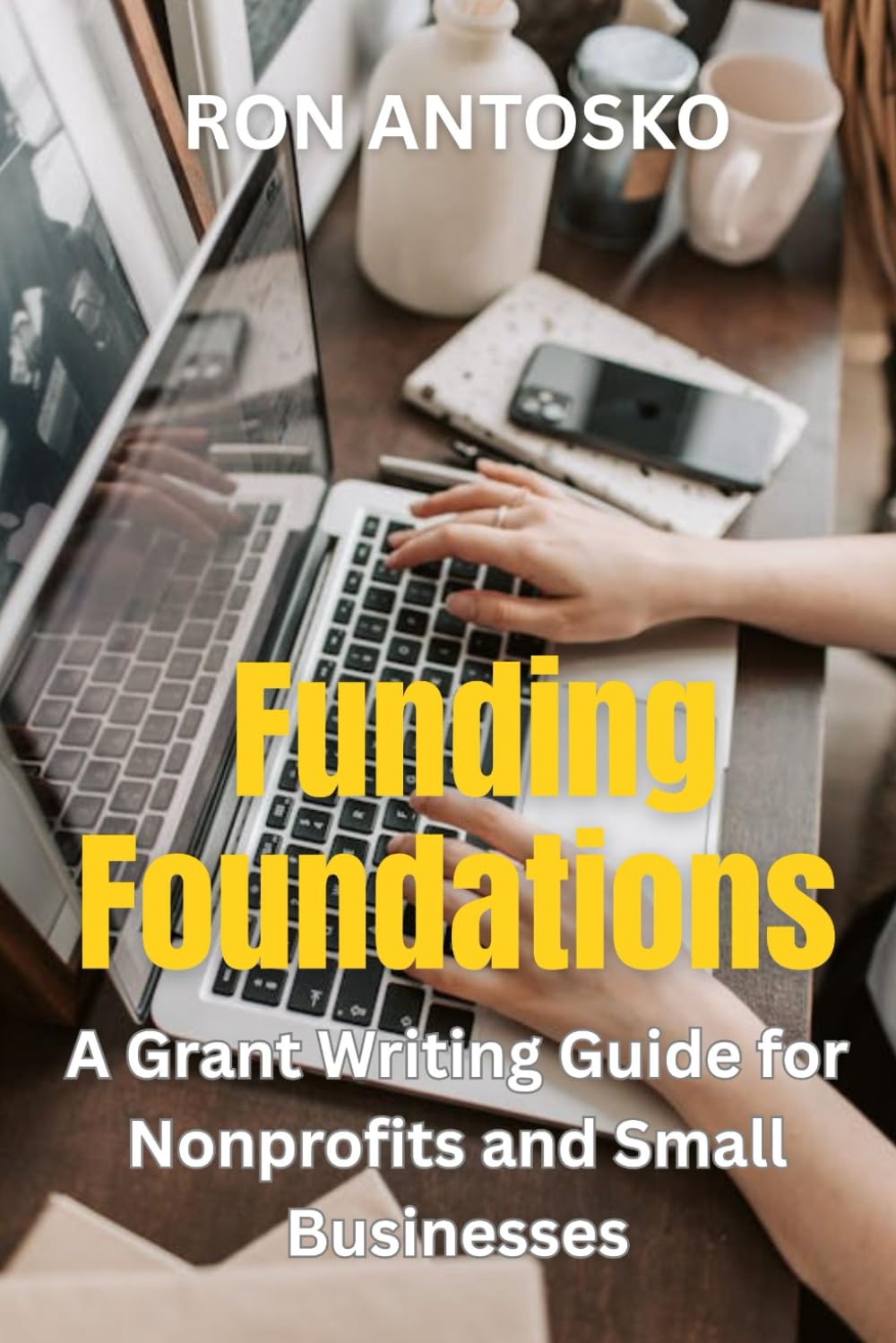
Funding Foundations: A Grant Writing Guide for Nonprofits and Small Businesses
$11.99
by Ron Antosko



In today’s competitive funding landscape, knowing how to write an effective grant proposal can mean the difference between dream and reality. Whether you’re running a small nonprofit, launching a social enterprise, or building a mission-driven small business, securing grants can unlock growth, stability, and long-term impact. In Funding Foundations: A Grant Writing Guide for Nonprofits and Small Businesses , author Ron Antosko provides a clear, practical, and step-by-step roadmap to mastering the art of grant writing — from research to proposal submission. Antosko draws on years of experience in business strategy, entrepreneurship, and fundraising to deliver a guide that’s approachable, detailed, and designed for real-world success. This isn’t a dense academic manual filled with jargon — it’s a practical toolkit built to help everyday changemakers secure the resources they need to make a difference. The book begins by demystifying the grant funding ecosystem — explaining the various types of grants available, including federal, state, corporate, and foundation funding. Antosko breaks down how each type works, what funders look for, and how to align your project goals with their priorities. Readers will learn how to identify the right opportunities, avoid common pitfalls, and create a targeted funding plan that supports long-term sustainability. In the section on proposal development , Antosko walks readers through each component of a winning application — from crafting a compelling executive summary to building a credible budget. He explains how to articulate your organization’s mission, demonstrate measurable impact, and tell a story that captures the heart and logic of your project. Through examples, templates, and writing tips, readers will learn to communicate with clarity, confidence, and purpose. Antosko also dives deep into grant research techniques , showing how to use databases, networking, and community resources to find the best matches for your needs. He highlights tools like Foundation Directory Online, Grants.gov, and corporate giving portals, helping readers efficiently filter through thousands of listings to identify funders aligned with their goals. Another vital section of the book focuses on relationship building and stewardship — two of the most overlooked aspects of grant success. Antosko emphasizes that grant writing isn’t just about paperwork; it’s about people. He offers strategies for establishing rapport with funders, crafting follow-up communications, and building long-term partnerships that lead to repeat funding opportunities. For small business owners, Funding Foundations also explores how grants can complement other financing options such as crowdfunding, microloans, and local development programs. Readers will gain insight into combining funding streams for greater flexibility and resilience. Finally, the book provides a comprehensive checklist and timeline to help readers stay organized from start to finish, along with sample letters, budgets, and proposal outlines that make the process approachable for beginners. Accessible, insightful, and actionable, Funding Foundations: A Grant Writing Guide for Nonprofits and Small Businesses empowers readers to turn their ideas into funded realities. Whether you’re applying for your first grant or refining your approach, this book will help you build the confidence, skills, and strategy to succeed in the world of grants.