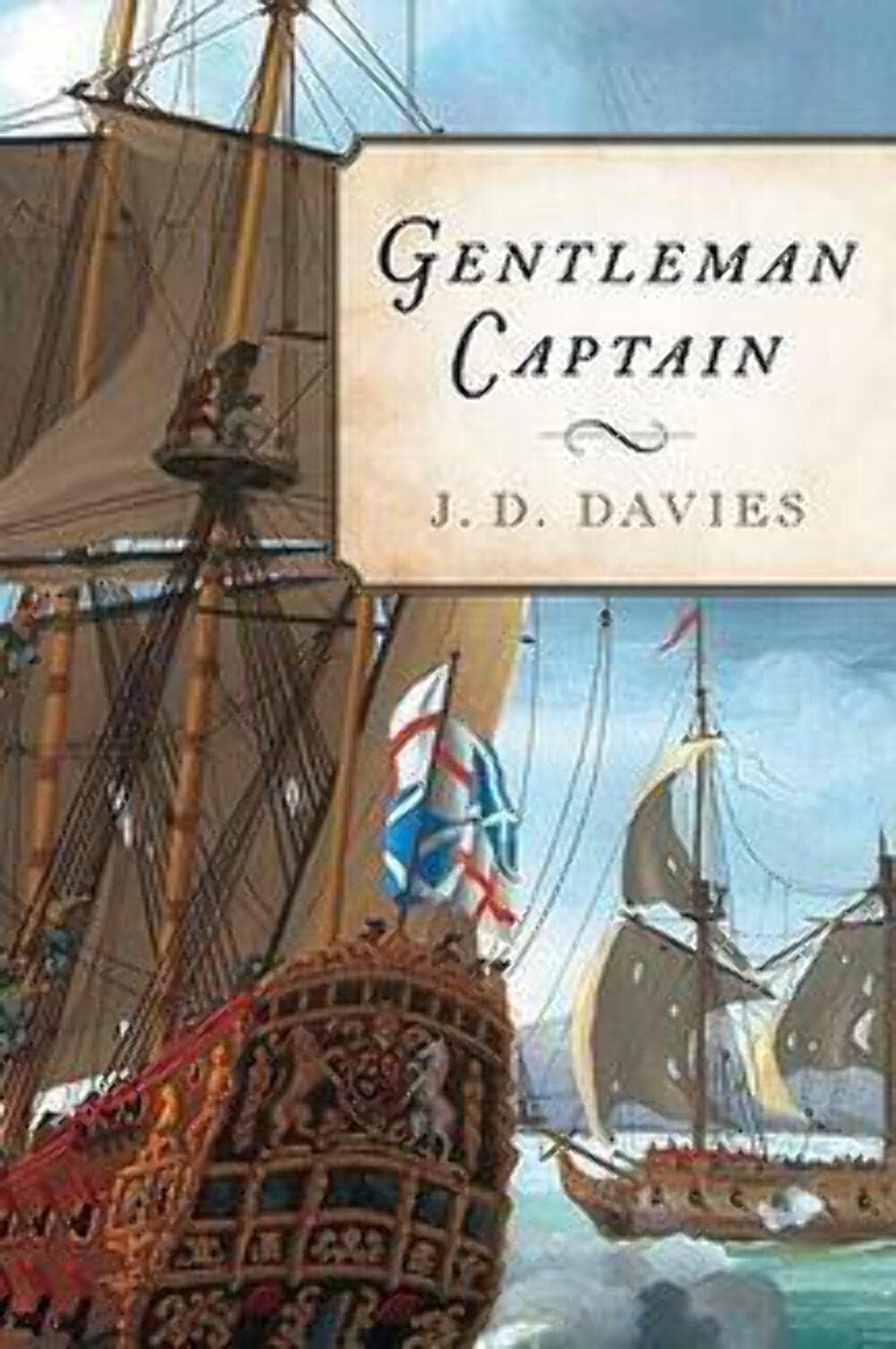



â A beautifully written and masterfully told story full of wicked intrigue, gripping suspense, stirring action, deft plot twists, and incredibly rich and compelling characters â ¦ destined to be a classic series of nautical adventure.â â Eric Jay Dolin, author of Leviathan and Fur, Fortune, and Empire Having sunk the first ship he commanded off the coast of Ireland, Captain Matthew Quinton is determined to complete his second mission without loss of life or honor. Rebellion is stirring in the Scottish Isles, and King Charles II needs loyal officers to sail north and face the threat. But aboard His Majestyâ s Ship the Jupiter, the young â gentleman captainâ leads a resentful crew and has but few on whom he can rely. As they approach the wild coast of Scotland, Quinton begins to learn the ropes and win the respect of his fellow officers and sailors. But he has other worries: a suspicion that the previous captain of the Jupiter was murdered, a feeling that several among his crew have something to hide, and a growing conviction that betrayal lies closer to home than he had thought. â A delightful tale.â â Kirkus Reviews â As fascinating an account of Restoration politics as it is of the Restoration Navy.â â Seth Hunter, author of The Winds of Folly Product Description 1662: Restoration England. Cromwell is dead, and King Charles II has reclaimed the throne after years of civil war. It is a time of divided allegiances, intrigue, and outright treachery. With rebellion stirring in the Scottish Isles, the hard-pressed sovereign needs men he can trust to sail north and defuse this new threat. Matthew Quinton is such a man—the second son of a noble royalist family, he is loyal, if inexperienced. Having sunk the first man-of-war under his command within weeks, Matthew is determined to complete his second mission without loss of life or honor. Upon taking command of His Majesty's Ship the Jupiter, the young “gentleman captain” is faced with a resentful crew and has but few on whom he can rely: Kit Farrell, an illiterate commoner with vast seafaring experience, and Phineas Musk, a roguish but steadfast family retainer. As they approach the wild coast of Scotland, Matthew begins to learn the ropes and win the respect of his fellow officers and sailors. But he has other difficulties on the voyage north: a suspicion that the previous captain of the Jupiter was murdered, a feeling that many among his crew have something to hide, and the growing conviction that betrayal lies closer to home than he had thought. With cannon fire by sea and swordplay by land, Gentleman Captain is a rousing high-seas adventure in the finest nautical tradition. Amazon Exclusive: Interview with J.D. Davies One of my main motivations in writing Gentleman Captain , and the books to follow in the Quinton Journals series, has been to bring the seventeenth century navy before a much wider audience. The genre of 'sailing navy' historical fiction has always been dominated by 'the age of Nelson', and there are obviously good reasons for this--not least the fact that the Royal Navy was usually victorious in the battles it fought, which was not always the case in my period, and because many more sources are available for authors to call upon as research tools. But the neglect of the seventeenth century navy means that there is often a lack of awareness of some of the largest and most hard-fought battles in the entire age of sail, while the navy of Cromwell, Charles II and James II fought against arguably a wider and more interesting range of opponents than that encountered by Nelson and his contemporaries: they included the Dutch, the French, the Spanish, the Danes and Norwegians, the Barbary corsairs, pirates of many sorts on many seas, and tragically, of course, against each other, in the British civil wars and their aftermath. The other great advantage of working on the late seventeenth century is the wonderful array of characters available to an author. The inscrutable King Charles II, his mistresses and the intrigues of his court continue to fascinate. The fact that one of the most important people connected with the navy in the period, Samuel Pepys, is also so well known to so many people thanks to his wonderfully frank diary is a particularly happy coincidence. The period also witnessed the plague of 1665 and the Great Fire of London of the following year. It saw important political developments, beginning with the restoration of one king and ending with the deposition of another, and undoubtedly marked an important stage in the beginnings of democracy in Britain. It saw remarkable advances in science, epitomized by such careers as those of Sir Isaac Newton and Sir Christopher Wren. Therefore, I wanted to write books that were just as firmly grounded in events on land as at sea, and which are rooted in the wider history of the period. To me, one of the most important aspects of bringing Matthew Quinton to life was to pla