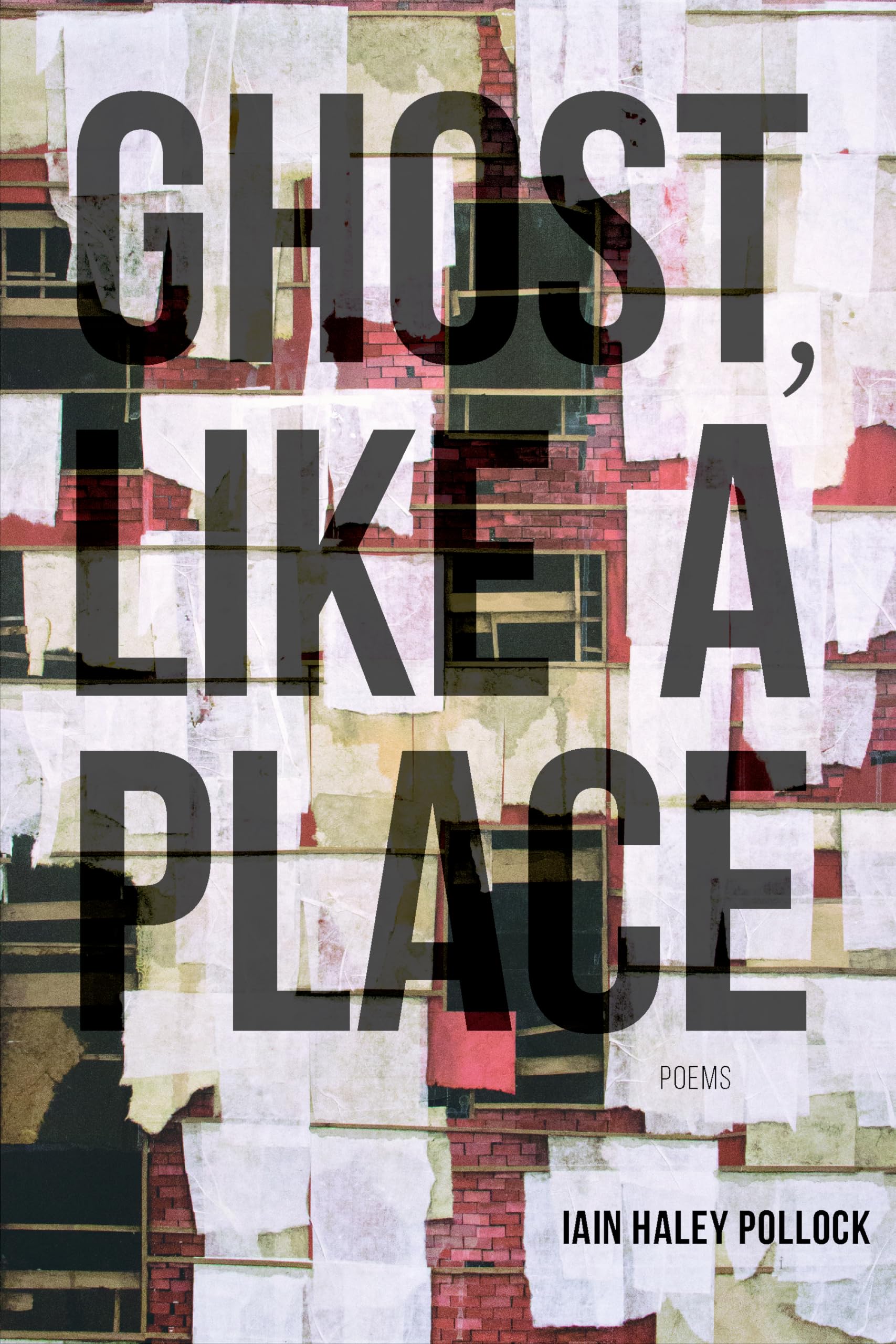



In his sophomore effort, Pollock ( Spit Back a Boy ) gathers a wide range of direct, plainspoken lyrics that deal with childhood, family, rural life and beauty, human (and boyish) cruelty, and newfound fatherhood. These poems directly and indirectly tie these themes to larger issues of societal violence, race, and gender. Pollock tells of a group of boys, the speaker among them, throwing stones at a dying rat: “In that hour/ or the next, the thing/ must have died, killed/ not by us—mercy.” Elsewhere, he envisions a still-living Tamir Rice playing a game of basketball with his son—“Heavy going-down/ sun. Heavy, heavy (glinting) going-down sun”—and runs through elements of the life and death of Louis Armstrong, writing from the perspective of his subject: “I’m not telling this straight:/ depending on the folks in front of me.” Some of the most direct encounters with political themes feel shoehorned in; for example, a poem that begins with the speaker watching Tai Chi practitioners and fisherman along a river ends abruptly, “And the Black boys/ of Philadelphia, this summer,/ one gunned down each day.” Despite a feeling of incompleteness in the work, Pollock delivers moments of levity, lyric beauty, and a creeping melancholy that lend his work its distinct atmosphere. "[ Ghost, like a Place ] delights frequently with eruptions of extraordinary tenderness, intimacy, and beauty. . . [A] gorgeous collection of complex poetry." — New York Journal of Books “Iain Pollock has a slow, steady hand that’s fine tuning the pentatonic chambers where whole and half notes of the heart glisten the world. This Ghost, like a Place is a phantasm of small psalms settling into territory familiar with new beginnings and bearing ragged, but revealing truths.” — Tyehimba Jess, author of Olio , winner of the 2017 Pulitzer Prize for Poetry “Iain Pollock’s eye is guided by passion—a passion for the city and street life, and the hard facts of individual lives amidst the violence and turmoil of American life today. But given this material, and contrary to what Derek Walcott once called the ‘standard elegiac,’ his poems never moralize or forsake complexity of feeling. His ear for idiom is pitch perfect, and the forward drive of his syntax embodies an undeluded but fundamentally hopeful vision about remaking the world.” — Tom Sleigh “The ghosts that haunt Iain Haley Pollock’s poems have substance. Some have names: Tamir. Rex. Emmett. Black boys of Philadelphia. Their voices are ‘the chattering of crows in a distant sycamore.’ There is awe in these voices, and self-deprecation, and lament. Most—despite the fact that there is little comfort to offer here—there is a faith in the body, in humanity, to bear its burdens. Read Ghost, like a Place , and ‘know, finally, the rapture and wildness of belief.'” — Meg Kearney Iain Haley Pollock's second collection of poems, Ghost, Like a Place, is forthcoming from Alice James Books in September 2018. His debut collection, Spit Back a Boy, won the 2010 Cave Canem Poetry Prize. He teaches English at Rye Country Day School in Rye, NY, and is a member of the poetry faculty at the Solstice MFA program of Pine Manor College.