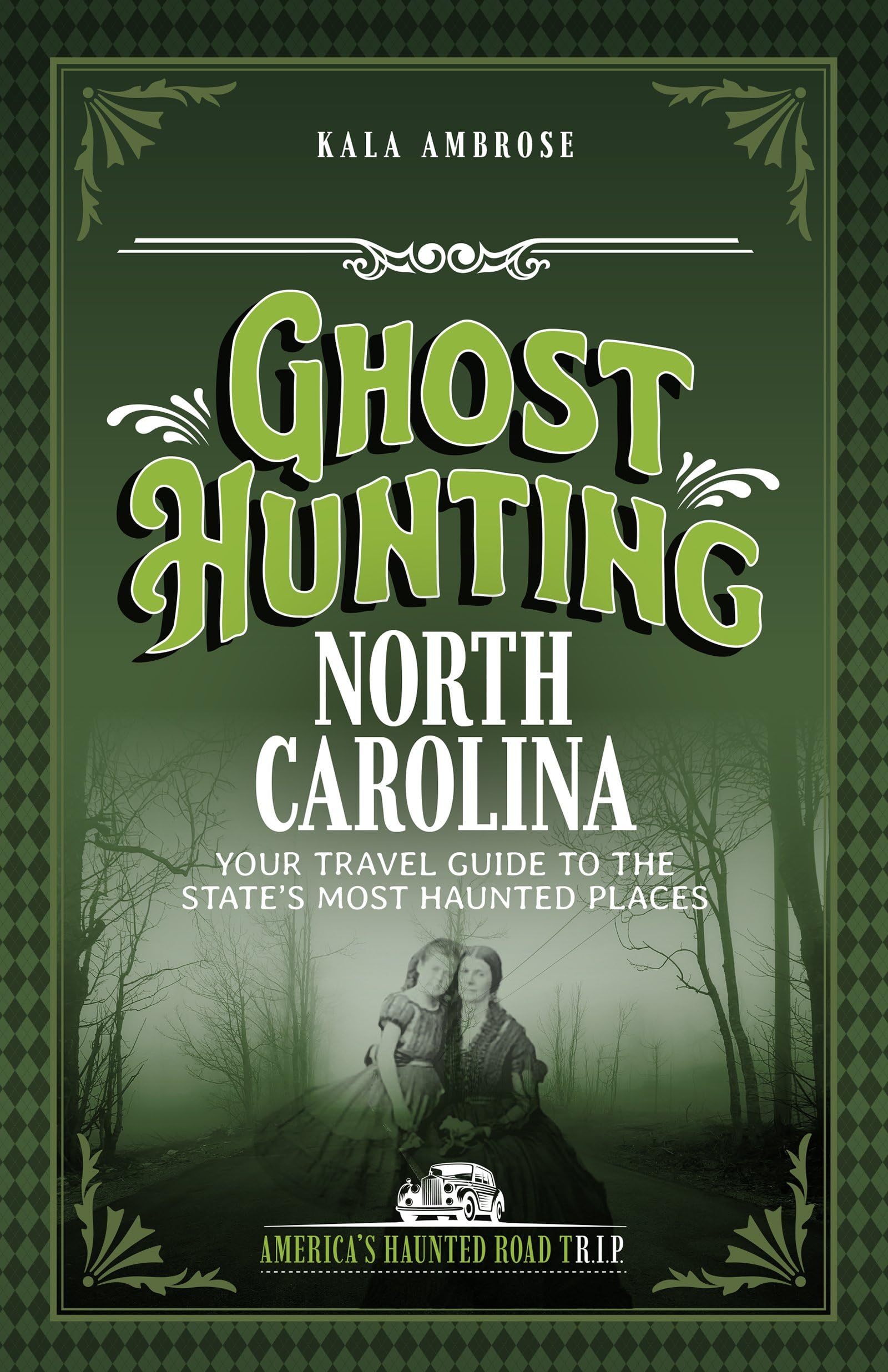
Ghost Hunting North Carolina: Your Travel Guide to the State's Most Haunted Places (America's Haunted Road Trip)
$17.96
by Kala Ambrose



Explore North Carolina like never before—visit its most haunted locations that are open to the public. Whether you love to travel, are fascinated by the paranormal, or both, get ready to tour North Carolina in a totally new way! Ghost Hunting North Carolina guides you to 23 fascinating and historic places, including forts, hotels, plantations, the State Capitol building, and more. Every location is open to the public, and here’s the catch: Every place is reportedly haunted! Join author Kala Ambrose on a paranormal investigation to discover the creepiest corners of the Tar Heel State. Read the author’s account of her visit to each site, and learn about its history—as well as the ghosts said to reside there. Then grab your gear and hit the road as you visit each location first-hand. Every entry comes with an address and website, plus photographs of these unforgettable destinations. Kala’s tips and suggestions allow you to maximize the enjoyment of each experience. From Ocracoke Island’s swaggering spirit (which might be the ghost of infamous pirate Blackbeard) to Civil War apparitions at Fort Fisher to Asheville’s Grove Park Inn, where the “Pink Lady” roams the halls, this book presents eerie hideaways that even lifelong residents might not know about. Part travel guide and part fireside read, Ghost Hunting North Carolina puts you in the middle of the state’s haunted history. Each entry includes historical overview of the haunted place - ghost stories associated with the location - advice on visiting—if you dare Kala Ambrose is an award-winning author, renowned intuitive, wisdom teacher, intuitive interior decorator, podcaster, and lifestyle coach. Known as Your Travel Guide to the Other Side®, Kala helps entrepreneurs, wisdom seekers, and visionaries live their best lives. Author of six books, Kala is considered one of the country’s foremost experts on mystic spirituality and psychic/intuitive ability. She discusses life-enhancing topics on her podcast, The Explore Your Spirit with Kala Show. The Spirited Revival of Bellamy Mansion Dr. John Bellamy was a man of fortitude, and the mansion he built is a spectacular example of North Carolina architecture. Located in downtown Wilmington, the 22-room mansion is a stunning example of Greek Revival style. The mansion gives the impression of being a most inviting place; the formal gardens draw you in with their delightful colors and scents, and the towering columns give the sense of strength and stability. It’s easy to imagine a carefree life spent here by Dr. Bellamy, his wife, Eliza, and their 10 children. Dr. Bellamy was a prominent and highly regarded physician and businessman in the area. Along with his medical practice, he owned a turpentine distillery, served as a director of the Cape Fear Bank, and was a stockholder of the Wilmington Railroad. While walking through each room, images of tea parties, elaborate dinners, and mint juleps on the veranda come to mind. The Bellamy family moved into their new home in March 1861. The life of Dr. Bellamy and his family was not without strife, though. Two months after the family moved in, the state of North Carolina seceded from the Union to enter the Civil War on the side of the Confederacy. Dr. Bellamy was the owner of several plantations, and his slaves had been forced to do some of the construction of the Bellamy Mansion. One of the most well-known slaves was William Gould, who escaped from the mansion’s slave quarters in a rowboat, which he navigated down the Cape Fear River until he encountered a Union ship. His diary reports that he boarded the ship and immediately joined the Union Navy. As the war began, the Bellamy family continued to reside in their home until an epidemic of yellow fever struck the area. The disease, coupled with nearby Fort Fisher falling to Union troops, led the family to retreat to their country home, Grovely Plantation. The Union army captured Wilmington, and General Joseph Hawley claimed the Bellamy Mansion as his headquarters and home. He refused to allow Dr. Bellamy to enter the mansion and went so far as to deny him entrance to the city of Wilmington. The Union government seized control of southern land, business property, and homes during this time, and it took years for Dr. Bellamy to recover his home. Almost four years later, in 1865, Dr. Bellamy traveled to Washington, D.C., to receive a presidential pardon in order to have his home returned to him. After the war, the family began to restore the home. Mrs. Bellamy decided to build a black wrought iron fence around the house so she could create a formal garden. This garden is still lovingly tended to this day and can be enjoyed on the tour along with the rest of the mansion. The black wrought iron fence caught my attention. There are supernatural teachings that state that wrought iron is reputed to hold spirits inside the area where the fence is built. Ghosts need energy to manifest, and iron, as a conductor of electricity, wi