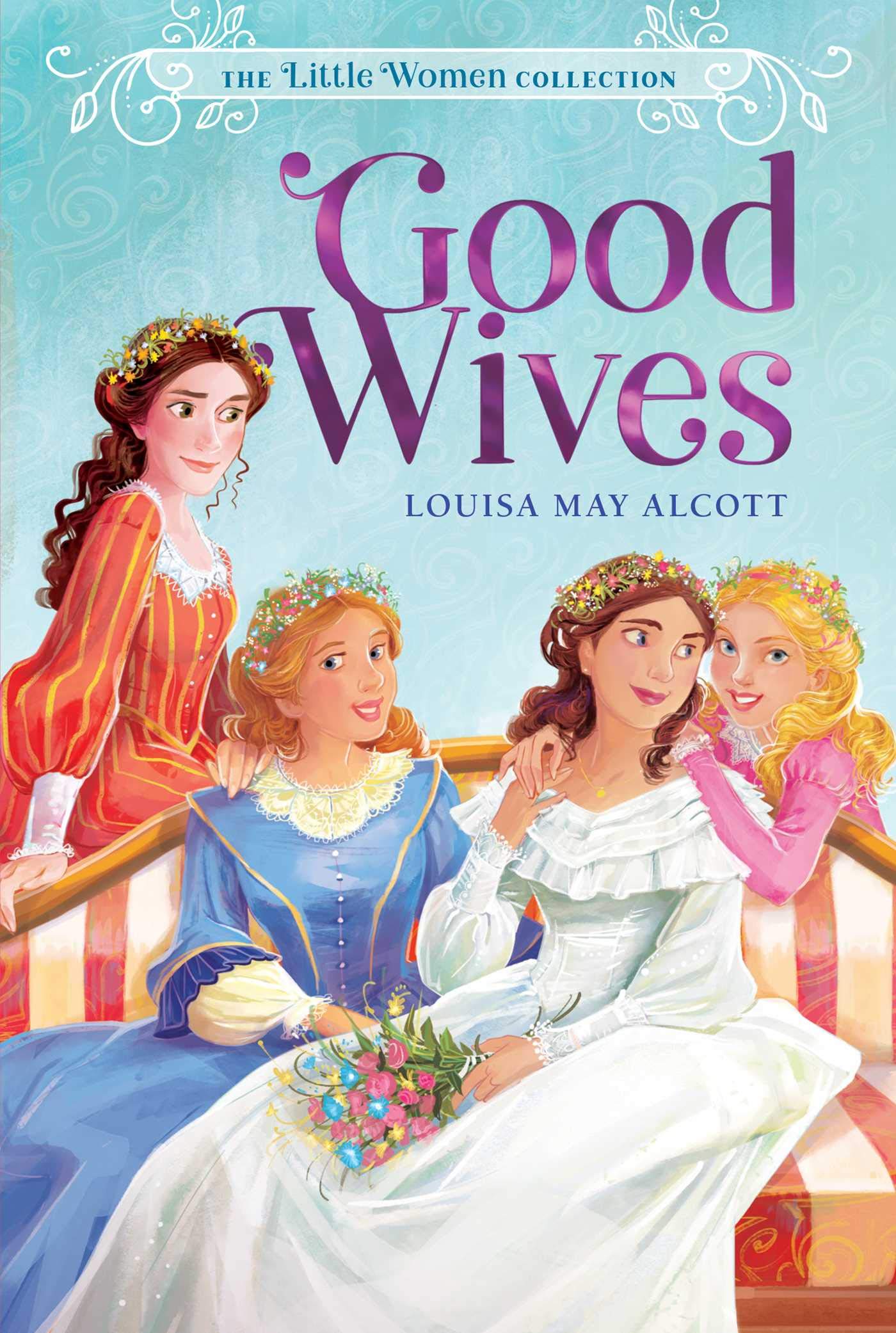



Look out for Little Women —now a major motion picture starring Saoirse Ronan, Emma Watson, Timothée Chalamet, and Meryl Streep! Louisa May Alcott’s enchanting tale of the March sisters continues with this beautiful keepsake edition of Good Wives , the second novel in the Little Women Collection! The tale of the March sisters continues in the beloved sequel to Little Women , which picks up three years later as Meg is preparing for her wedding, Jo attempts to launch her literary career, Beth still struggles to regain her health, and Amy begins traveling the world with their aunt. But obstacles stand between the girls and their dreams, and they’re forced to confront unimaginable heartache. Through love, perseverance, and family, together they overcome the hardships to find happiness. Often combined with Little Women in film adaptations, Good Wives completes the story of the March sisters. Louisa May Alcott was born in 1832 in Germantown, Pennsylvania. She is best known for Little Women (1868), which is loosely based on her own life and proved to be one of the most popular children’s books ever written. Three sequels followed: Good Wives (1869), Little Men (1871), and Jo’s Boys (1886). Alcott was the daughter of the famous transcendentalist Bronson Alcott and was friend of Emerson and Thoreau. In addition to writing, she worked as a teacher, governess, and Civil War nurse, as well as being an advocate of abolition, women’s rights, and temperance. She died in 1888 and is buried in Sleepy Hollow cemetery in Concord, Massachusetts. Chapter One: Gossip CHAPTER ONE Gossip IN ORDER THAT WE MAY start afresh, and go to Meg’s wedding with free minds, it will be well to begin with a little gossip about the Marches. And here let me premise, that if any of the elders think there is too much “lovering” in the story, as I fear they may (I’m not afraid the young folks will make that objection), I can only say with Mrs. March, “What can you expect when I have four girls in the house, and a dashing young neighbor over the way?” The three years that have passed have brought but few changes to the quiet family. The war is over, and Mr. March safely at home, busy with his books and the small parish which found in him a minister by nature as by grace–a quiet, studious man, rich in the wisdom that is better than learning, the charity which calls all mankind “brother,” the piety that blossoms into character, making it august and lovely. These attributes, in spite of poverty and the strict integrity, which shut him out from the more worldly successes, attracted to him many admirable persons, as naturally as sweet herbs draw bees, and as naturally he gave them the honey into which fifty years of hard experience had distilled no bitter drop. Earnest young men found the gray-headed scholar as young at heart as they; thoughtful or troubled women instinctively brought their doubts and sorrows to him, sure of finding the gentlest sympathy, the wisest counsel; sinners told their sins to the pure-hearted old man, and were both rebuked and saved; gifted men found a companion in him; ambitious men caught glimpses of nobler ambitions than their own; and even worldlings confessed that his beliefs were beautiful and true, although “they wouldn’t pay.” To outsiders, the five energetic women seemed to rule the house, and so they did in many things; but the quiet scholar, sitting among his books, was still the head of the family, the household conscience, anchor, and comforter for to him the busy, anxious women always turned in troublous times, finding him, in the truest sense of those sacred words, husband and father. The girls gave their hearts into their mother’s keeping, their souls into their father’s; and to both parents, who lived and labored so faithfully for them, they gave a love that grew with their growth, and bound them tenderly together by the sweetest tie which blesses life and outlives death. Mrs. March is as brisk and cheery, though rather grayer, than when we saw her last, and just now so absorbed in Meg’s affairs that the hospitals and homes, still full of wounded “boys” and soldiers’ widows, decidedly miss the motherly missionary’s visits. John Brooke did his duty manfully for a year, got wounded, was sent home, and not allowed to return. He received no stars or bars, but he deserved them, for he cheerfully risked all he had; and life and love are very precious when both are in full bloom. Perfectly resigned to his discharge, he devoted himself to getting well, preparing for business, and earning a home for Meg. With the good sense and sturdy independence that characterized him, he refused Mr. Laurence’s more generous offers, and accepted the place of bookkeeper, feeling better satisfied to begin with an honestly earned salary than by running any risks with borrowed money. Meg had spent the time in working as well as waiting, growing womanly in character, wise in housewifely arts, and pretti