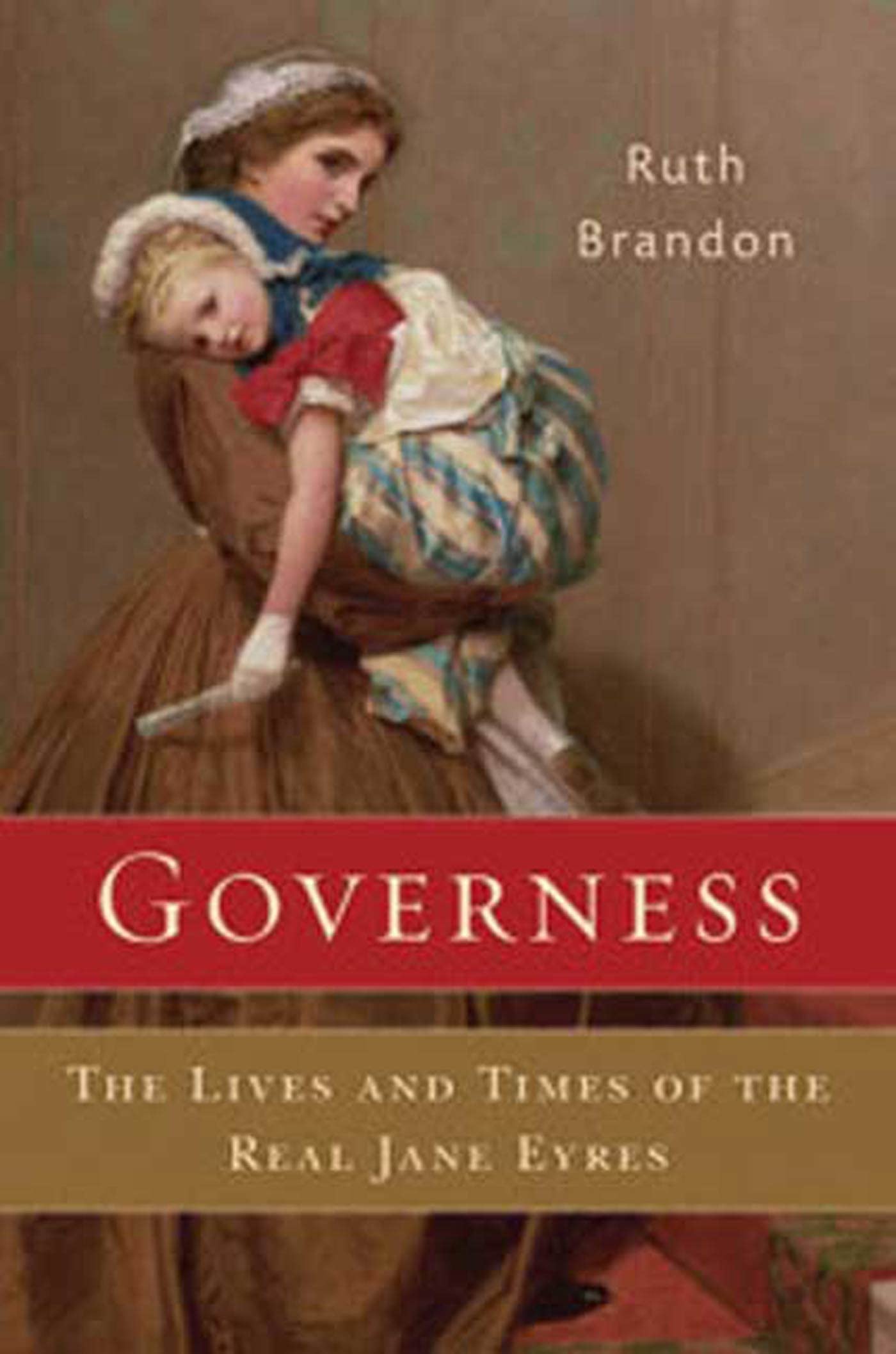



The rise and fall of the English governess, the domestic heroine who inspired Victorian literature's greatest authors. Between the 1780s and the end of the nineteenth century, an army of sad women took up residence in other people's homes, part and yet not part of the family, not servants, yet not equals. To become a governess, observed Jane Austen in Emma , was to "retire from all the pleasures of life, of rational intercourse, equal society, peace and hope, to penance and mortification for ever." However, in an ironic paradox, the governess, so marginal to her society, was central to its fiction―partly because governessing was the fate of some exceptionally talented women who later wrote novels based on their experiences. But personal experience was only one source, and writers like Wilkie Collins, William Makepeace Thackeray, Henry James, and Jane Austen all recognized that the governess's solitary figure, adrift in the world, offered more novelistic scope than did the constrained and respectable wife. Ruth Brandon weaves literary and social history with details from the lives of actual governesses, drawn from their letters and journals, to craft a rare portrait of real women whose lives were in stark contrast to the romantic tales of their fictional counterparts. Governess will resonate with the many fans of Jane Austen and the Brontës, whose novels continue to inspire films and books, as well as fans of The Nanny Diaries and other books that explore the longstanding tension between mothers and the women they hire to raise their children. In nineteenth-century England, girls were most commonly educated by governesses; the system was also a way of absorbing the countrys "huge pool of spinsters." (The 1851 census found that thirty per cent of women above the age of twenty were single.) For upper- and middle-class women forced to earn a living, it represented one of the only respectable employments, and often a dreaded inevitability: after succumbing to the profession, in 1820, Claire Clairmont, the cosmopolitan stepsister of Mary Shelley and the mother of Byrons child, wrote in her journal, "Think of thyself as a stranger and traveller on the earth, to whom none of the many affairs of this world belong." This exploration of the lives of six governesses is as entertaining as the contemporary works of fiction such lives inspired ("Jane Eyre" chief among them), and although the bulk of the primary source material is not new, Brandon displays a keen understanding of a complex educational system that kept its subjects ignorant even while purporting to enlighten. Copyright © 2008 Click here to subscribe to The New Yorker “[Brandon] never loses her profound empathy and passion for her subjects' travails.” ― Kirkus Reviews “If there is a heroic governess in Brandon's survey--a woman able to triumph over the strictures of the position--it is a third Wollstonecraft sister, Mary…Wollstonecraft's political writings and romantic entanglements have made her story well-known, but Brandon's view of her through the prism of governessing makes it fresh. Brandon's governess chronicles are poignant….Nowadays, when the academy is stocked with feminists who fret about patriarchal depredations that escape the notice of everybody else, it is important to remember what a great, necessary and arduous achievement the education of women was. These governesses still have something to teach us.” ― Wall Street Journal “Brandon's governess chronicles are poignant….Nowadays, when the academy is stocked with feminists who fret about patriarchal depredations that escape the notice of everybody else, it is important to remember what a great, necessary and arduous achievement the education of women was. These governesses still have something to teach us.” ― Wall Street Journal “A masterly survey….even when donning her sociologist"s hat, [Brandon] is still lively as well as humane...a book about what might have been a worthy dry topic instead fairly sizzling with fascination.” ― Washington Times “Brandon presents a poignant portrait of governesses in 18th- and 19th-century England. Using letters, journals, and other writings of the time, she sheds light on the female circumstance by showing how these women, some of whom eventually became famous, lived and wrote about their solitary lives in the employment of wealthy families….As a biographer, she provides brilliantly detailed backgrounds on her subjects, leaving the reader wanting still more….a very interesting look into the struggle to create parity between the sexes in this era, especially regarding education. Recommended for both public and academic libraries.” ― Library Journal “Brandon offers plenty of absorbing nuggets about the travails of governesses, particularly among the insecure English middle classes who sought to imitate aristocratic lifestyles. But as Brandon acknowledges, her subjects (who also include, among others, Anna Leonowens, who inspired The King and