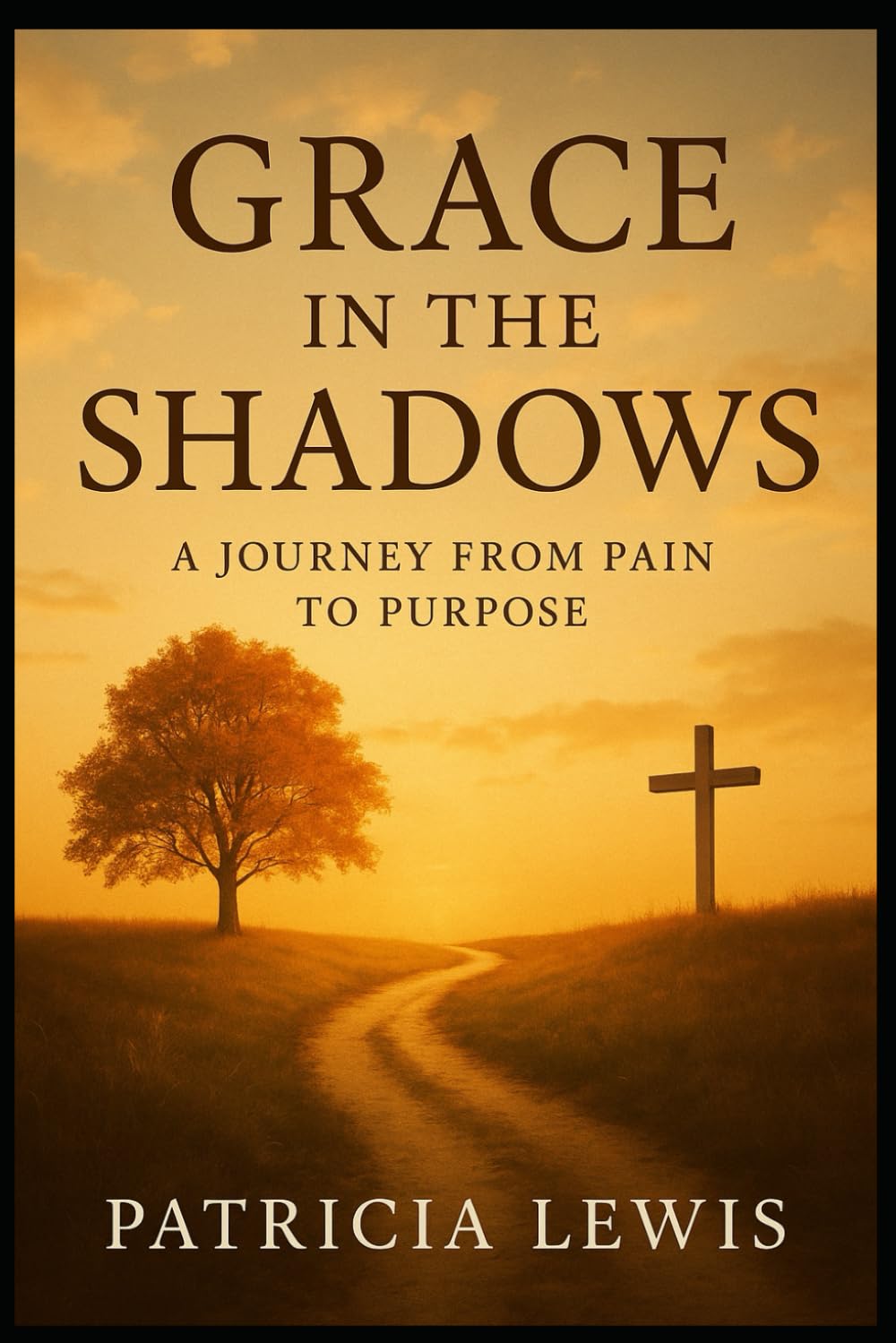



The introduction opens with a haunting reflection on the silence that pain creates—a silence filled with unspoken emotions and memories that linger long after the moment of wounding. Patricia shares how this silence shadowed her for years, yet within it, God’s quiet grace was steadily at work, rewriting her story. Grace in the Shadows is presented not just as a memoir, but as a testimony of resilience —a mosaic of moments shaped by faith, suffering, and transformation. Patricia offers readers an unflinching look at trauma , revealing how the same broken places that once caused despair can become openings where divine light shines through. Through vivid honesty, she recounts her early experiences of invisible wounds, isolation, and the desperate search for relief. Despite the darkness, small flickers of faith—rooted in the prayers of others and God’s enduring love—kept her from giving up. Her story unfolds as a slow, courageous journey of healing , not marked by instant miracles but by perseverance, faith, and the redemptive merging of counseling, coaching, and spiritual insight. A central theme emerges: forgiveness —both of others and of herself—as the doorway to freedom. Patricia’s healing leads to her founding of Jesus Leads Ministries , transforming her pain into purpose and using her story to empower others. The Alaskan landscape serves as a vivid metaphor for her transformation: beauty born out of harshness, endurance in the face of adversity. The book integrates reflection prompts and a Healing Toolkit , inviting readers to engage their own journeys of faith and restoration. Patricia closes by offering compassion and hope to anyone who has known suffering, affirming that grace is not the absence of pain, but God’s living presence within it.