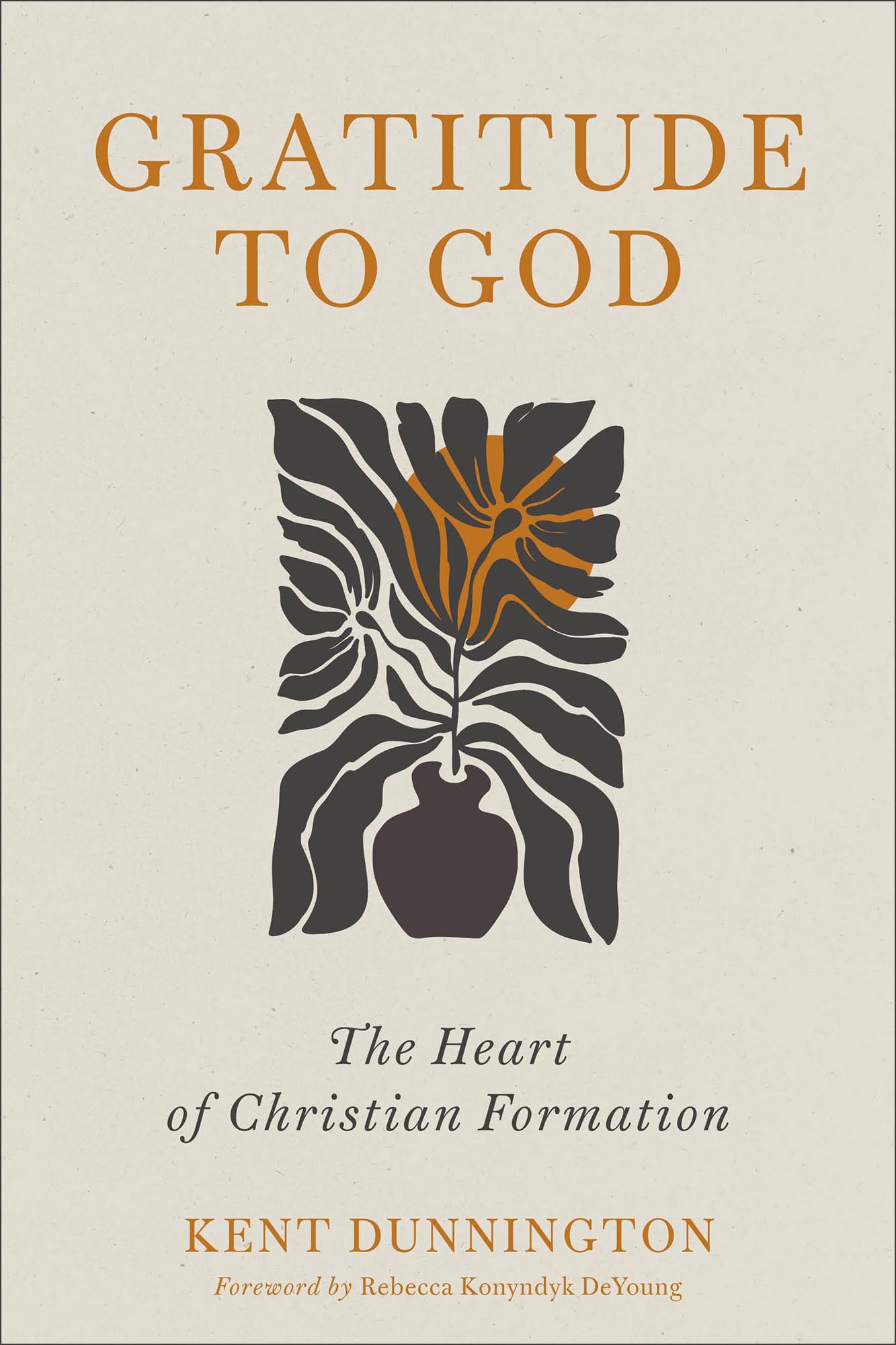
Gratitude to God: The Heart of Christian Formation (Reclaiming a Biblical Vision of Thankfulness for Spiritual Formation and Everyday Life)
$24.98
by Kent Dunnington



Why Our Understanding of Gratitude Must Be Reclaimed by Christian Theology Is gratitude the path to a good life filled with happiness? Modern culture says yes. But what does Scripture say? Gratitude to God invites us to move beyond pop psychology and reclaim a robustly biblical understanding of thanksgiving, one that transforms how we experience life, suffering, and God's generosity. This book will help you ● reclaim a biblical theology of gratitude rooted in Christian tradition; ● overcome the vices that block gratitude , including resentment, pride, self-loathing, apathy, and distraction; ● grow in spiritual formation through practical methods for cultivating gratitude to God, even in seasons of suffering and lament; and ● experience life--trials and all--as gift and favor from a generous God. The positive psychology movement promotes gratitude as one of the keys to a good life--a posture that resonates with Christians seeking to live faithfully. But does our modern view of gratitude align with the experience, practice, and goals of gratitude described in Scripture? Kent Dunnington argues that our understanding of gratitude must be reclaimed by Christian theology if we are to experience our lives as evidence of God's generosity. Recognizing that gratitude to God often feels less natural than gratitude to others, he invites readers to walk with him on his journey to cultivate gratitude, even in seasons of suffering and lament. Along the way, Dunnington traces how cultural understandings of gratitude have shifted and examines the vices that block it. With a foreword by Rebecca Konyndyk DeYoung, this book offers a robust theological and philosophical perspective on gratitude to God--showing why biblical thanksgiving is at the very heart of spiritual growth and formation. Why Our Understanding of Gratitude Must Be Reclaimed by Christian Theology This book offers a robust theological and philosophical perspective on gratitude to God, showing the importance of biblical thanksgiving for our spiritual growth. It invites us to cultivate gratitude, even in seasons of suffering and lament, so we can experience our lives as evidence of God's generosity. "This book contains some of the very best work on gratitude of which I am aware. A splendid contribution to a crucial topic." -- Miroslav Volf , Yale Divinity School; author of The Cost of Ambition: How Striving to Be Better Than Others Makes Us Worse "Gratitude is ground zero of the Christian life, yet gratitude to God is uniquely challenging. In this brilliant synthesis of psychological inquiry, philosophical reflection, and practical theology, Dunnington gets to the heart of why this is the case. Most importantly, he offers a path forward to reinvigorate your spiritual journey toward graced gratitude and life in all its fullness--or, rather, grate-fullness!" -- Robert A. Emmons , University of California, Davis (emeritus); editor in chief, The Journal of Positive Psychology ; author of Thanks! How the New Science of Gratitude Can Make You Happier "The genius of Dunnington's Gratitude to God is the claim that God's gifts are 'weird' and 'opaque,' often not seeming like gifts at all. Gratitude requires seeking the good, resisting cynicism and entitlement, and opening to life's mystery. Most moving is Dunnington's candor about resenting God--feeling 'God owes me'--and the practical steps he took and we can all take to receive gratitude even amid suffering." -- Anna Lembke, MD , Stanford University; author of Dopamine Nation "This gratitude book goes theologically and spiritually deeper than anything else I've read on the subject. . . . It will enrich your faithful practice and your faithful reflection." --Rebecca Konyndyk DeYoung , Calvin University (from the foreword) Kent Dunnington (PhD, Texas A&M University) is professor of philosophy at Biola University in La Mirada, California. He teaches and writes in the areas of philosophy of religion and theological ethics, with a focus on the virtues. Dunnington is the author of Addiction and Virtue and Humility, Pride, and Christian Virtue Theory .