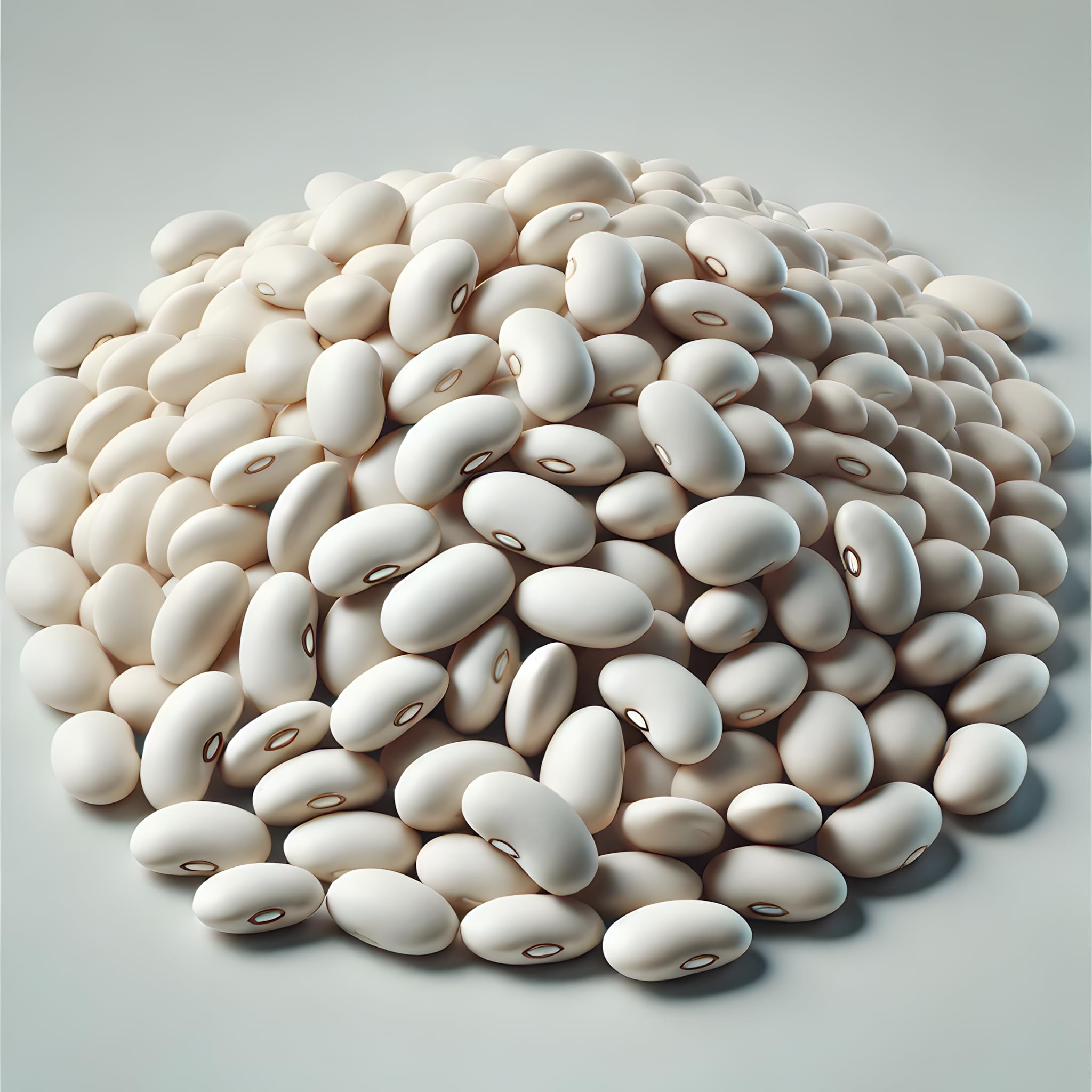
Great Northern Bean Seeds (Phaseolus vulgaris) - Protein-Rich, Mild-Flavored Beans for Soups, Stews, and Salads | Non-GMO, High-Yield, Heat-Tolerant
$1.99
by NaturalRoots



Classic Mild-Flavored Beans: Great Northern Beans (Phaseolus vulgaris) produce tender, creamy-white beans with a mild, nutty flavor, perfect for soups, stews, casseroles, and salads. Non-GMO Seeds: Each packet contains high-quality, non-GMO seeds, carefully selected for excellent germination rates and vigorous, healthy plant growth. High-Yield and Heat-Tolerant: Thrives in warm climates, producing abundant crops throughout the growing season, making it ideal for gardens, raised beds, and farms. Compact Bush Habit: These bush-type plants grow to about 18-24 inches tall, easy to manage and suitable for small gardens, raised beds, or large-scale plantings. Nutritious and Versatile: Great Northern Beans are rich in protein, fiber, and essential nutrients, making them a healthy, sustainable addition to your pantry and meals. Product Description: Add a nutritious and versatile crop to your garden with Great Northern Bean Seeds (Phaseolus vulgaris). Known for their tender texture and mild, nutty flavor, these beans are perfect for soups, stews, salads, and casseroles. This high-yield, heat-tolerant variety is a reliable choice for warm climates, offering abundant harvests throughout the growing season. Each packet contains high-quality, non-GMO seeds, carefully selected to ensure excellent germination rates and healthy growth. Great Northern Bean plants grow in a compact bush habit, reaching 18-24 inches tall, making them ideal for garden beds, raised beds, or larger farm plantings. Rich in protein, fiber, and essential nutrients, these beans are a healthy and sustainable crop that stores well for year-round use. Growing Guide: 1. Sowing Seeds Outdoors: Direct sow Great Northern Bean seeds outdoors after the last frost date when soil temperatures reach at least 60°F (16°C). Choose a sunny location with well-draining soil. Sow seeds 1-2 inches deep and 3-4 inches apart in rows spaced 18-24 inches apart. Water thoroughly after planting. 2. Growing Conditions: Great Northern Beans thrive in warm, sunny conditions and are drought-tolerant once established. Keep the soil consistently moist during germination and early growth but avoid overwatering. Thin seedlings to 6 inches apart to allow proper airflow and growth. 3. Maintenance and Care: Water regularly during flowering and pod development to maximize yields. Avoid waterlogging the soil to prevent root rot. Mulch around plants to retain soil moisture, suppress weeds, and regulate soil temperature. Fertilize with a balanced fertilizer once during the growing season to support plant and pod development. 4. Harvesting: Harvest beans when the pods are fully mature and dry on the plant. Pull up the entire plant, hang it in a warm, dry place for 1-2 weeks, and then shell the pods to collect the beans. Store dried beans in a cool, dry place for long-term use. 5. Culinary Use: Great Northern Beans are perfect for soups, stews, casseroles, and salads. Their creamy texture and mild flavor make them a versatile addition to your kitchen. Enjoy the delicious, protein-rich harvest of Great Northern Beans (Phaseolus vulgaris) in your garden and kitchen, a classic choice for home gardeners and chefs.