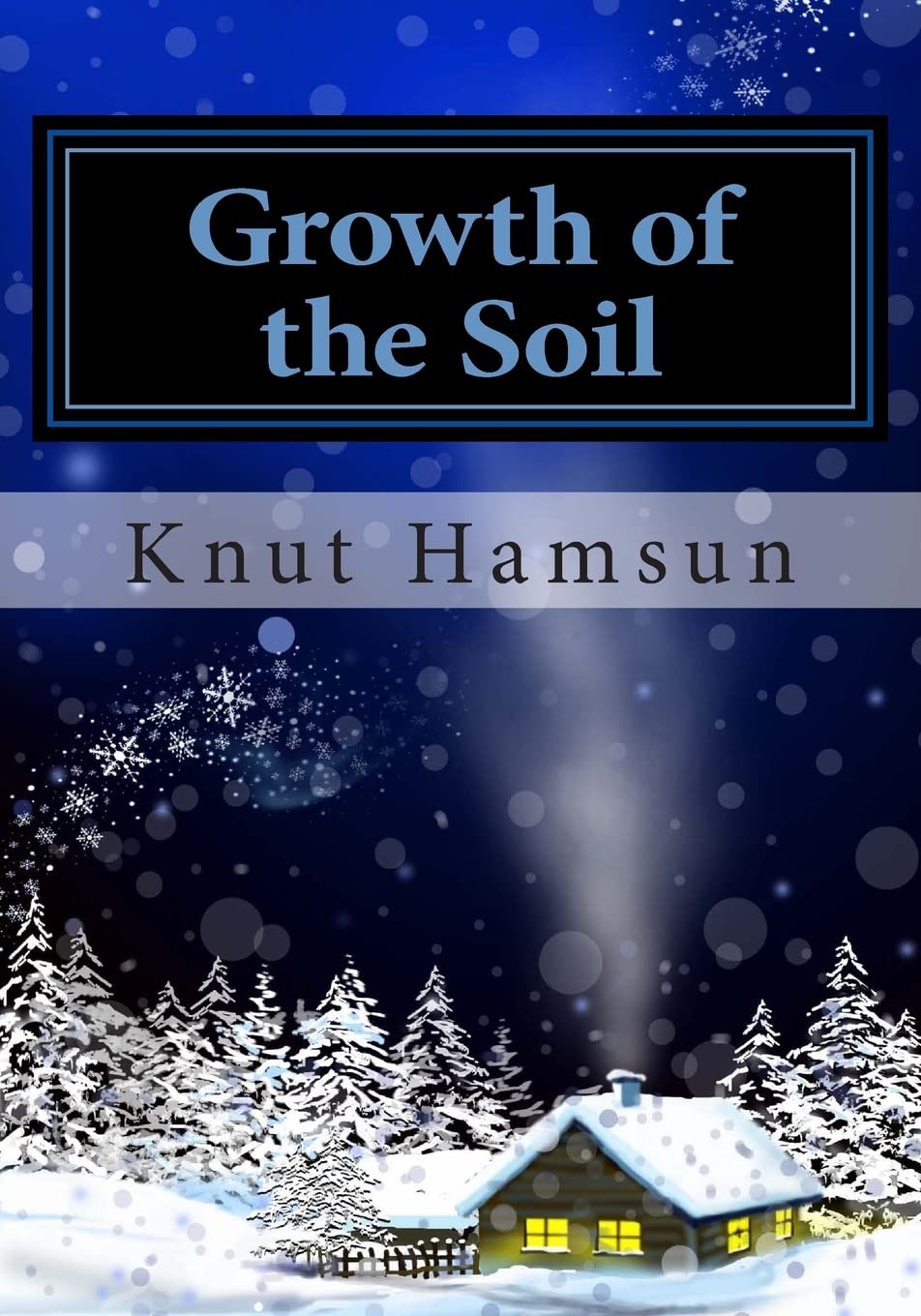



“The whole modern school of fiction in the twentieth century stems from Hamsun.” Awarded the Nobel Prize in Literature in 1920 primarily for this monumental work, Knut Hamsun’s Growth of the Soil stands as a cornerstone of modern literature—an enduring epic that explores humanity’s ancient bond with the land. This profound novel follows the saga of Isak and Inger, pioneers who carve a life out of the harsh, untamed Norwegian backcountry. With simple strength and unwavering determination, they settle the wilderness, raise a family, and confront the steady encroachment of a modern world that threatens to upend their self-sufficient way of life. Departing from the feverish, first-person intensity of his earlier masterpieces Hunger and Pan , Hamsun adopts a stately, almost biblical third-person narrative voice. The result is a work of immense power and serene insight, where every tree seems alive with personality and the rhythms of nature govern human fate. Praised by H. G. Wells as “wholly beautiful… saturated with wisdom and humor and tenderness,” Growth of the Soil is far more than a novel—it is a meditation on perseverance, the cycles of existence, and the deep, indestructible connection between people and the earth. Experience one of the greatest works ever written: a moving portrait of hard times, quiet dignity, and the indomitable spirit that allows life to take root in even the most unforgiving landscapes. Knut Hamsun (1859-1952) was a Norwegian author. He was praised by King Haakon VII of Norway as Norway's soul. In 1920, he was awarded the Nobel Prize in Literature for the epic, Growth of the Soil. He insisted that the main object of modern literature should be the intricacies of the human mind, that writers should describe the "whisper of blood, and the pleading of bone marrow". Hamsun's literary debut was the 1890 psychological novel, Hunger, which some critics consider to have been an inspiration for Franz Kafka's classic short story, A Hunger Artist. Hamsun's reputation was severely tarnished by his vehement advocacy of Nazi Germany both before World War II and after Germany occupied Norway in April, 1940. He lionized leading Nazis and in 1943, in the middle of the war, he mailed his Nobel medal to Joseph Goebbels. Later, he visited Hitler and in a eulogy for the German leader published on May 7, 1945 - one day before surrender of the German occupation forces in Norway - Hamsun proclaimed, "He was a warrior, a warrior for mankind, and a prophet of the gospel of justice for all nations." After the war, due to a finding that Hamsun was in mental decline, efforts to prosecute him for treason were dropped. Nearly 60 years after his death, a recent biographer told a reporter, "We can't help loving him, though we have hated him all these years. That's our Hamsun trauma. He's a ghost that won't stay in the grave." In 2009, the Queen of Norway presided over the gala launching of a year-long program of commemorations of the 150th anniversary of the author's birth. On August 4, 2009 a Knut Hamsun Center (Hamsunsenteret) was opened in Presteid, Hamaroy island.