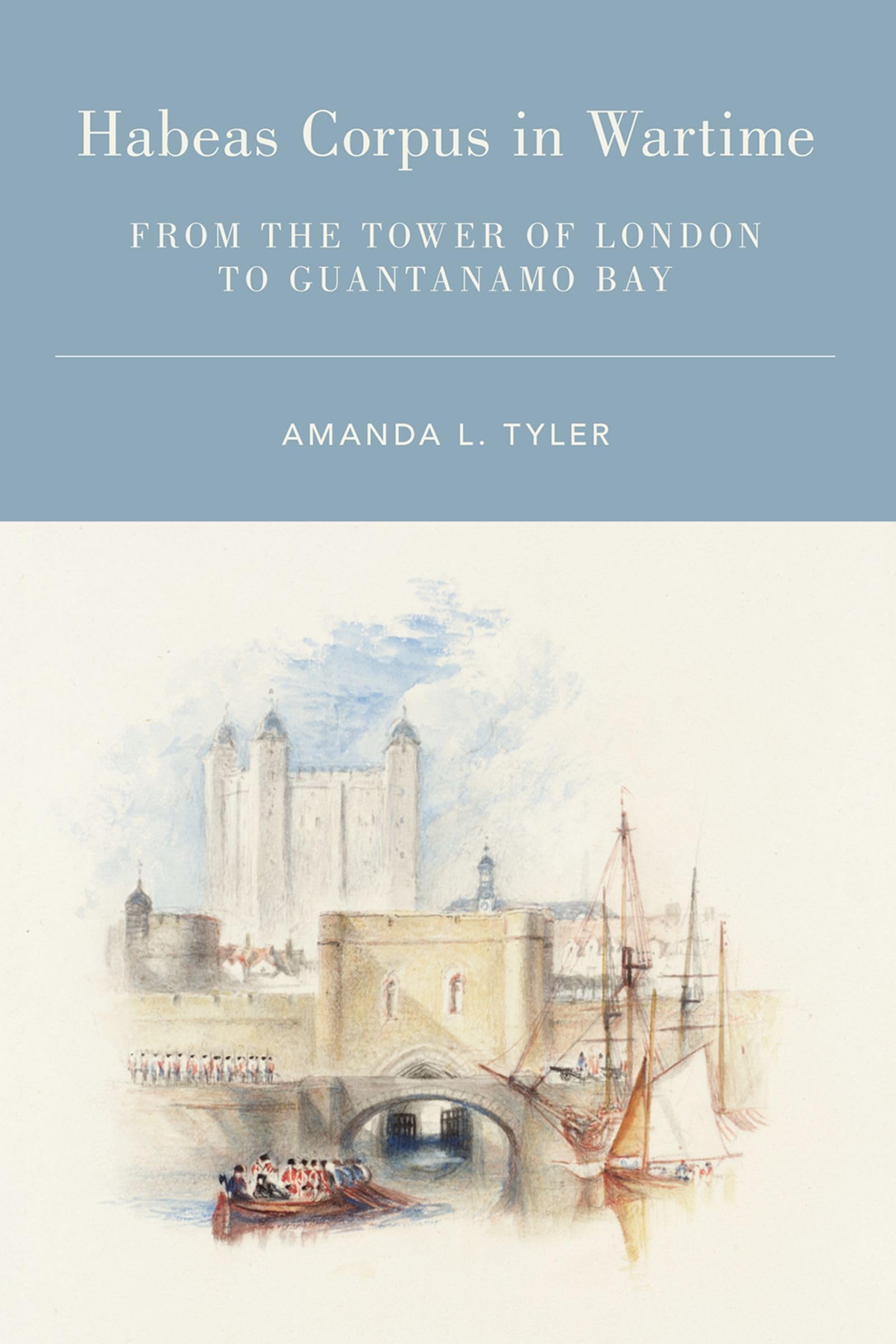



Habeas Corpus in Wartime unearths and presents a comprehensive account of the legal and political history of habeas corpus in wartime in the Anglo-American legal tradition. The book begins by tracing the origins of the habeas privilege in English law, giving special attention to the English Habeas Corpus Act of 1679, which limited the scope of executive detention and used the machinery of the English courts to enforce its terms. It also explores the circumstances that led Parliament to invent the concept of suspension as a tool for setting aside the protections of the Habeas Corpus Act in wartime. Turning to the United States, the book highlights how the English suspension framework greatly influenced the development of early American habeas law before and after the American Revolution and during the Founding period, when the United States Constitution enshrined a habeas privilege in its Suspension Clause. The book then chronicles the story of the habeas privilege and suspension over the course of American history, giving special attention to the Civil War period. The final chapters explore how the challenges posed by modern warfare during the twentieth and twenty-first centuries have placed great strain on the previously well-settled understanding of the role of the habeas privilege and suspension in American constitutional law, particularly during World War II when the United States government detained tens of thousands of Japanese American citizens and later during the War on Terror. Throughout, the book draws upon a wealth of original and heretofore untapped historical resources to shed light on the purpose and role of the Suspension Clause in the United States Constitution, revealing all along that many of the questions that arise today regarding the scope of executive power to arrest and detain in wartime are not new ones. "In Habeas Corpus in Wartime: From the Tower of London to Guantanamo Bay , Amanda Tyler undertakes "to lay out as comprehensively as possible the full story of the legal and political history of the constitutional privilege of the writ of habeas corpus." She does so with care and style ... Well into the 20th century, as Tyler painstakingly documents, the consensus understanding remained consistent: '[T]he origins and long-standing interpretation of the Suspension Clause understood it to prohibit the government, in the absence of a valid suspension, from detaining persons who can claim the protection of domestic law outside the criminal process, even in wartime .' Even in wartime. Especially in wartime." -- Helen Norton, Jotwell "Amanda Tyler has written the definitive political and legal history of the writ of habeas corpus during war, from its modern origins in the seventeenth century England to its contemporary use by U.S. courts to check the Commander in Chief in the post-9/11 era. Since the writ's history is so relevant to its modern scope, Habeas Corpus in Wartime will be an indispensable guide for lawyers, judges, and scholars of various stripes who grapple with the meaning of the Great Writ." - Jack Goldsmith, Henry L. Shattuck Professor of Law, Harvard Law School "This meticulously researched book shows how America's Founding Fathers constitutionalised the English Habeas Corpus Act, which provided that only parliament could suspend the writ of liberty. In a series of studies which are rich both in illustration and insight, Amanda Tyler shows how the long-held understanding of the Suspension Clause came under pressure in the twentieth century. The history she has written is not only fascinating in itself, but has important ramifications for contemporary debates on liberty and the constitution." - Michael Lobban, Professor of Legal History, London School of Economic "In this carefully researched book, Amanda Tyler provides a comprehensive history of the complicated ways in which Americans have used-and sometimes abused-the 'great writ' of habeas corpus in times of war or national emergency. Tyler traces this story to its English origins, which Americans studied closely. But more important, she provides a searching account of the controversies that have surrounded the suspension or evasion of habeas corpus, from the American Revolution to our own post-September 11 era." - Jack Rakove, Professor of History and Political Science, Stanford University "In her expansive, intensive, and highly readable exploration of the history of the 'Great Writ' in times of crisis, Professor Tyler has illuminated the past and informed the present understanding of the critical role of habeas corpus as a bulwark against the abuse of power. Her in-depth, original study of Anglo-American materials helps foster an appreciation of the prominent place of the writ in state and federal constitutions." - David L. Shapiro, William Nelson Cromwell Professor of Law, Emeritus, Harvard Law School "As colonists, as revolutionaries, and as an independent people, Americans have always r