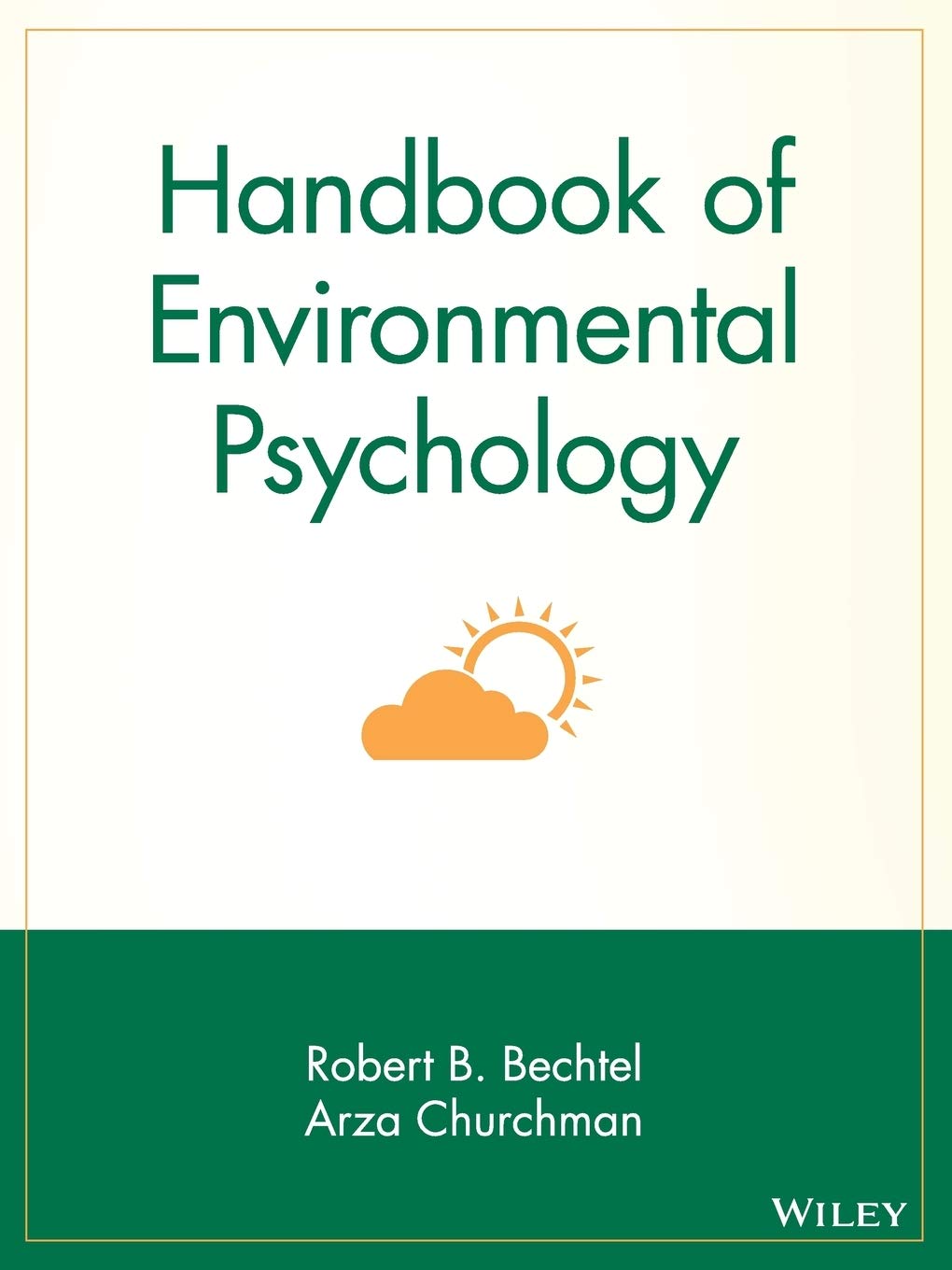



An international team of leading scholars explores the latesttheories, research, and applications critical to environmentalpsychology Featuring the latest research and concepts in the field straightfrom the world's leading scholars and practitioners, Handbook ofEnvironmental Psychology provides a balanced and comprehensiveoverview of this rapidly growing field. Bringing togethercontributions from an international team of top researchersrepresenting a myriad of disciplines, this groundbreaking resourceprovides you with a pluralistic approach to the field as aninterdisciplinary effort with links to other disciplines. Addressing a variety of issues and practice settings, Handbook ofEnvironmental Psychology is divided into five organized andaccessible parts to provide a thorough overview of the theories,research, and applications at the forefront of environmentalpsychology today. Part I deals with sharpening theories; Part IIlinks the subject to other disciplines; Part III focuses onmethods; Part IV highlights applications; and Part V examines thefuture of the field. Defining the ongoing revolution in thinking about how theenvironment and psychology interact, Handbook of EnvironmentalPsychology is must reading for anyone coping directly with theattitudes, beliefs, and behaviors that are destroying ourenvironment and putting our lives in jeopardy. Topics include: * Healthy design * Restorative environments * Links to urban planning * Contaminated environments * Women's issues * Environments for aging * Climate, weather, and crime * The history and future of disaster research * Children's environments * Personal space in a digital age * Community planning "I believe that the book serves an important role in bringing this relatively marginalized area of psychology to broader audiences" ( Contemporary Psychology , Vol. 4, No.3; June 2004) An international team of leading scholars explores the latest theories, research, and applications critical to environmental psychology Featuring the latest research and concepts in the field straight from the worlds leading scholars and practitioners, Handbook of Environmental Psychology provides a balanced and comprehensive overview of this rapidly growing field. Bringing together contributions from an international team of top researchers representing a myriad of disciplines, this groundbreaking resource provides you with a pluralistic approach to the field as an interdisciplinary effort with links to other disciplines. Addressing a variety of issues and practice settings, Handbook of Environmental Psychology is divided into five organized and accessible parts to provide a thorough overview of the theories, research, and applications at the forefront of environmental psychology today. Part I deals with sharpening theories; Part II links the subject to other disciplines; Part III focuses on methods; Part IV highlights applications; and Part V examines the future of the field. Defining the ongoing revolution in thinking about how the environment and psychology interact, Handbook of Environmental Psychology is must reading for anyone coping directly with the attitudes, beliefs, and behaviors that are destroying our environment and putting our lives in jeopardy. Topics include: Healthy design - Restorative environments - Links to urban planning - Contaminated environments - Womens issues - Environments for aging - Climate, weather, and crime - The history and future of disaster research - Childrens environments - Personal space in a digital age - Community planning An international team of leading scholars explores the latest theories, research, and applications critical to environmental psychology Featuring the latest research and concepts in the field straight from the world s leading scholars and practitioners, Handbook of Environmental Psychology provides a balanced and comprehensive overview of this rapidly growing field. Bringing together contributions from an international team of top researchers representing a myriad of disciplines, this groundbreaking resource provides you with a pluralistic approach to the field as an interdisciplinary effort with links to other disciplines. Addressing a variety of issues and practice settings, Handbook of Environmental Psychology is divided into five organized and accessible parts to provide a thorough overview of the theories, research, and applications at the forefront of environmental psychology today. Part I deals with sharpening theories; Part II links the subject to other disciplines; Part III focuses on methods; Part IV highlights applications; and Part V examines the future of the field. Defining the ongoing revolution in thinking about how the environment and psychology interact, Handbook of Environmental Psychology is must reading for anyone coping directly with the attitudes, beliefs, and behaviors that are destroying our environment and putting our lives in jeopardy. Topics include: Healthy design