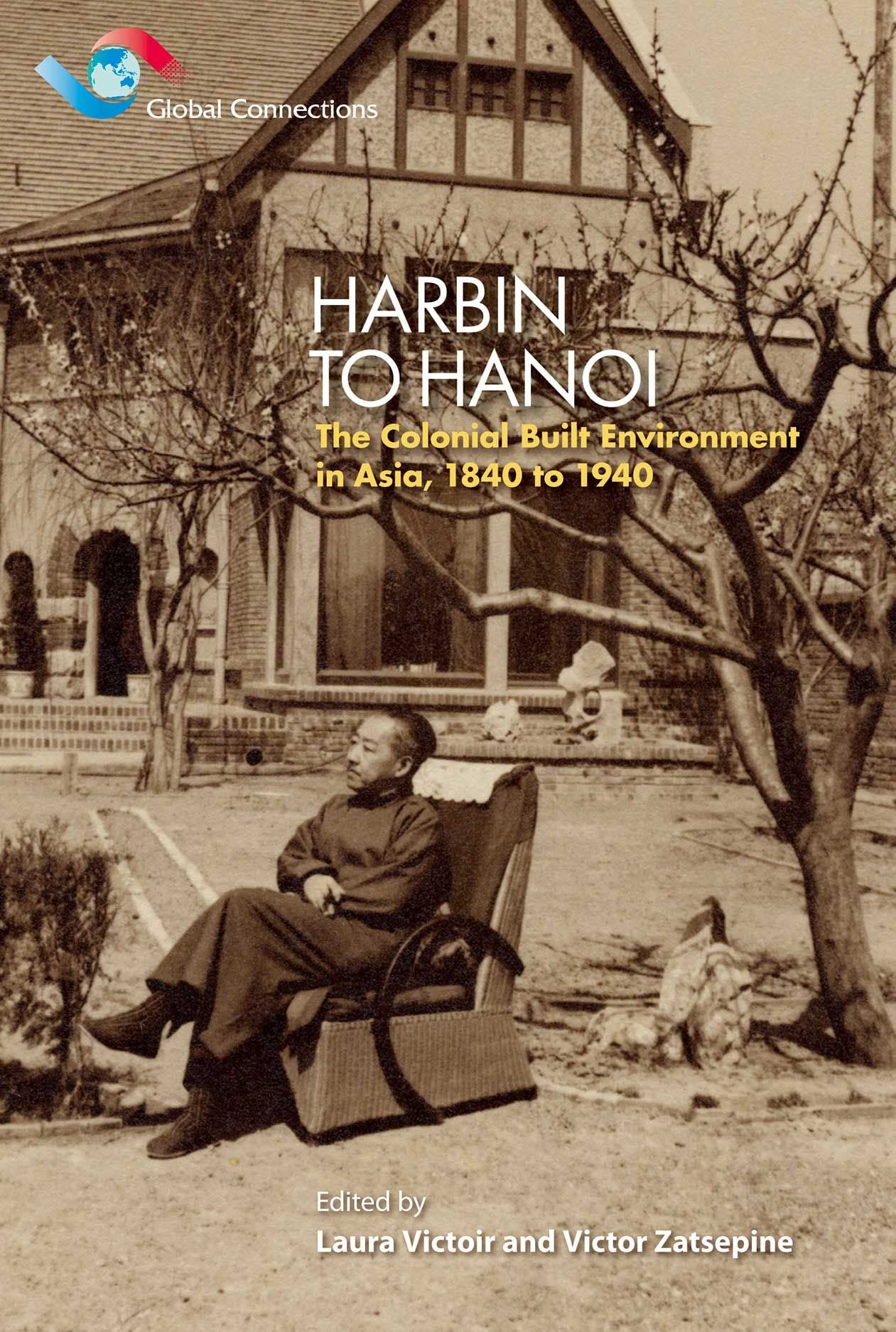
Harbin to Hanoi: The Colonial Built Environment in Asia, 1840 to 1940 (Global Connections)
$25.00
by Laura Victoir



Colonial powers in China and northern Vietnam employed the built environment for many purposes as an expression of imperial aspirations, a manifestation of supremacy, a mission to civilize, a re-creation of a home away from home, or simply as a place to live and work. In this volume, scholars of city planning, architecture, and Asian and imperial history provide a detailed analysis of how colonization worked on different levels, and how it was expressed in stone, iron, and concrete. The process of creating the colonial built environment was multilayered and unpredictable. This book uncovers the regional diversity of the colonial built form found from Harbin to Hanoi, varied experiences of the foreign powers in Asia, flexible interactions between the colonizers and the colonized, and the risks entailed in building and living in these colonies and treaty ports. “This volume tells a complex story of conflict, collaboration and habitation between actors involved in the unevenness of colonial cities. Central to the volume is architecture and urban form seen as both the text and context for the enactment of power, n “This well-conceived and truly interdisciplinary volume is a welcome addition to the existing historiography on the colonial built environment in Asia. As the editors note, a focus on the colonial built environment ‘exposes multiple-layers of empire-makin “Harbin to Hanoi is an important cross-disciplinary contribution to the analysis of the built environment in the context of colonial and imperial history in Asia from 1840 to 1940. The editors have collected an impressive collection of essays that provide “All of the chapters are clearly written and richly documented. Some essays address broad themes that would appeal to general readers, while others examine discrete topics that would most likely appeal to academic specialists alone. By combining studies o Laura Victoir is a former postdoctoral fellow in European Studies at the University of Hong Kong. She currently teaches in the History Department at Hunter College, City University of New York, specializing in Imperial Russia and in French colonialism in Asia. Victor Zatsepine is a research assistant professor of history at the University of Hong Kong. He holds degrees from Beijing Language and Culture University, Harvard and the University of British Columbia, and specializes in China’s frontier history and the history of Sino-Russian encounters. Used Book in Good Condition