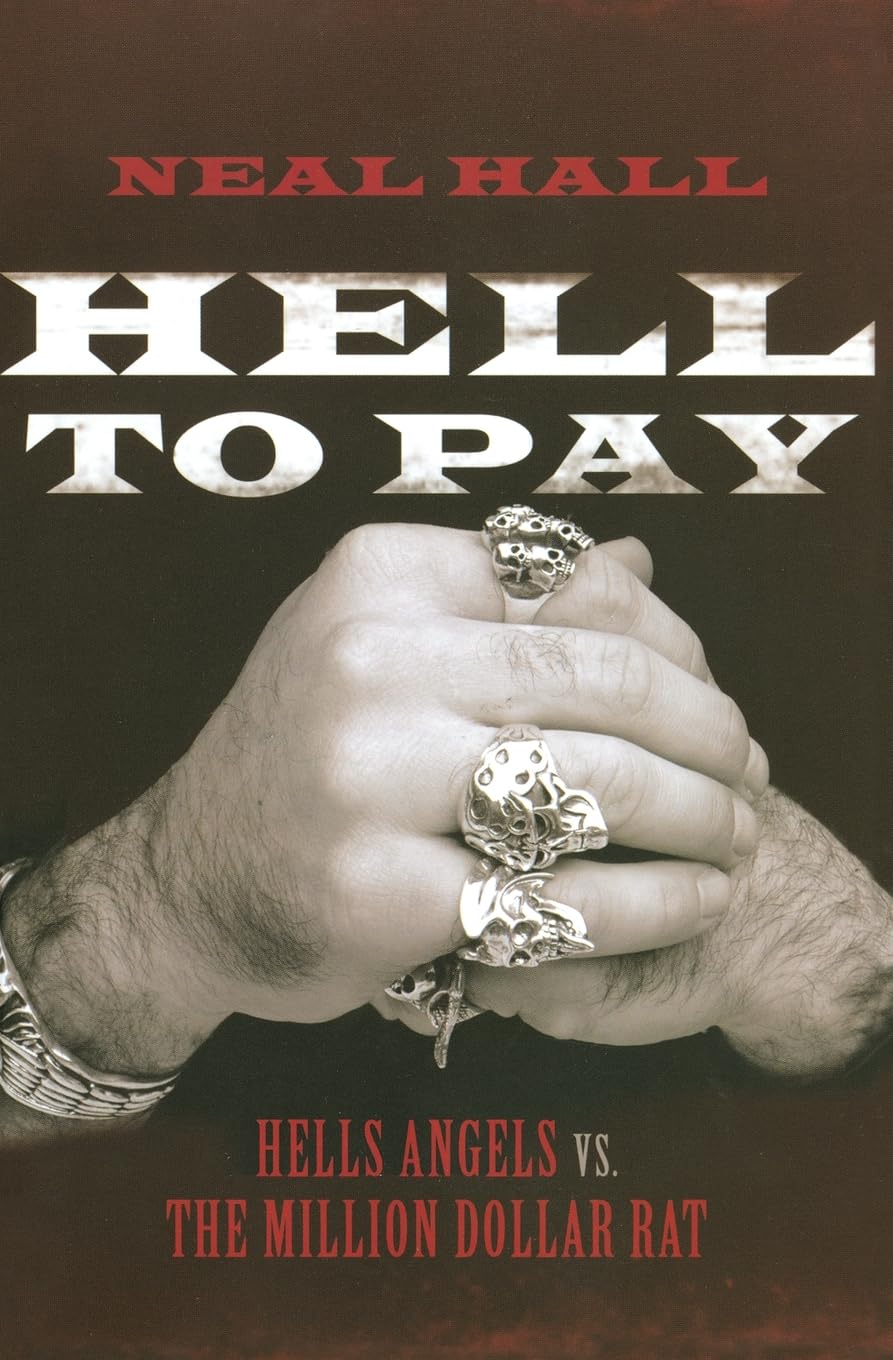



Michael Plante, a low-level Hells Angels dogsbody in Vancouver, is arrested for extortion in 2003. Coincidentally, police intercept a boat carrying cocaine from Colombia to Vancouver, a shipment arranged by the East End chapter of Vancouver's Hells Angels. The cops need to send someone inside to gather evidence that can be used to arrest and convict the gang. Plante does not want to go to jail, so he cuts a deal, beginning his descent into the nightmare of going undercover in the Hells Angels. The stakes are high-the East End chapter of the Hells Angels is one of the richest in the world. Plante soon learns how slowly the justice system moves as it prepares to prosecute the arrested Hells Angels members. The high-profile and highly paid defence lawyers win their applications to sever the indictment into a number of trials, meaning that Plante will face months on the witness stand under heavy grilling. Much is riding on the trials: Plante's life and livelihood; the federal government's legislation on gangsterism that could dismantle the Hells Angels; and the freedom of the accused-all high-ranking and enormously wealthy Hells Angels. The judge's final ruling shocks the court. Vancouver's East End chapter of the Hells Angels had a reputation for being among the club's elite. One of the wealthiest chapters in the world, it has also proven to be nearly immune to prosecution. The cops had long wanted to take down the Vancouver chapter, and when they arrested enforcer Michael Plante on charges of extortion and assault, they offered him a deal: turn informant, walk away from the charges, and earn some serious coin. Ultimately, Plante could have a million-dollar payday. Ratting on the Hells Angels may have been Plante's get-out-of-jail-free card, but he soon realized he had possibly bargained his life away. He was also stuck: there was no turning back. Wired up and kept under tabs nearly 24/7, Plante became the cops' eyes and ears as he went about his everyday business for the Angels. Through Plante's undercover work and testimony, veteran crime reporter Neal Hall introduces the reader to numerous and powerful Hells Angels. Through their own words, Hall reveals the extent of their criminal operations and allegiances, and the means they use to protect their turf and deal with people who have either the lack of brains or the overabundance of balls to try to rip them off. The cops push Plante to his limit before they pull him off the case. The hammer falls on the Angels-mass arrests that eviscerate the East End chapter. The tense and dramatic trials that follow prove to be another test for Plante-and for the evidence the cops worked so hard to collect. Through eyewitness accounts, interviews, court testimony and police wiretaps, Neal Hall opens a window into the operations of the world's most powerful outlaw motorcycle gang and the massive efforts used by law enforcement to bust and try the bikers. As the Hells Angels prove, even in court they are a force to be reckoned with. Neal Hall (Vancouver, BC) is an award-winning journalist based in Vancouver. He was nominated, along with colleague Lori Culbert, for a 2007 National Newspaper Award for coverage of the trial and verdict of serial killer Robert (Willie) Pickton. He was also part of a team of Vancouver Sun reporters nominated in 2005 for a National Newspaper Award for a series on organized crime in B.C. titled Crime Inc., which won a Webster Award, the top journalism prize in B.C. His first book, The Death of Cindy James , was optioned by Hollywood for a TV movie. In recent years, was a consultant on the CBC mini-series on Asian organized crime in Vancouver titled Dragon Boys . He is a frequent commentator on crime and justice issues for radio and TV, having appeared on W5 , the fifth estate , 20/20 , Unsolved Mysteries , Inside Edition , Court TV , Canada AM and Newsworld .