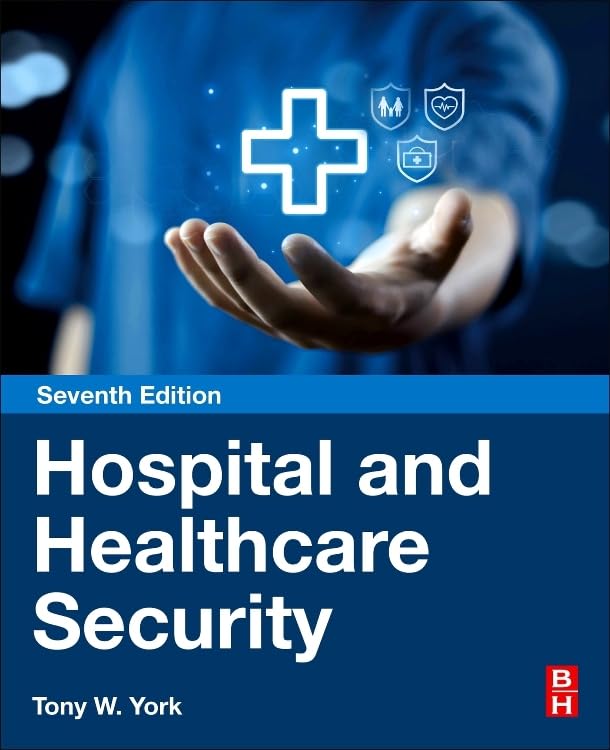



Hospital and Healthcare Security, Seventh Edition reflects the current state of healthcare security, particularly in data security and privacy, patient-generated violence, new technologies, and regulatory changes. The book explains the basics and higher expertise concerns, such as the roles of design, emergency management, and policy. Conveying a wide spectrum of topics in an easy-to-comprehend format, it provides a thorough understanding of how the modern healthcare security program should be structured, resourced, and integrated around the principles of people, processes, and technology. This industry-leading resource includes best practices, security master planning, and how to layer in protection philosophies in policies and procedures. Due to rapid changes in violence in healthcare, regulatory requirements, litigation, accreditation standards, advancements in technology, and new healthcare security issues and topics, the new edition contains approximately 25-30% new and updated data and corresponding examples. It is deemed by healthcare executives, accrediting agencies, and industry associations to set the standard of care for healthcare security systems and programs. Offers a quick-start section for hospital administrators who need an overview of security issues and best practices - Includes a sample request for proposals (RFP) for healthcare security services and incident report classifications, sample KPIs, security department reports, and an IAHSS Glossary of Terms - Clearly lays out general principles so readers can apply internationally recognized industry standards to their own environment - Presents new sections that address Enterprise Security Risk Management, Conducting Security Vulnerability Assessments, Video Surveillance, Remote Video Patrols, and more The industry-recognized "must have" resource for any healthcare security and safety program Hospital and Healthcare Security, 7th Edition builds on the foundation of the previous six editions and includes new material to reflect the current state of healthcare security, particularly in data security and privacy, patient-generated violence, new technologies, and regulatory changes. It explains the basics as well as higher expertise concerns, such as the roles of design, emergency management, and policy. Conveying a wide spectrum of topics in an easy-to-comprehend format, it provides a thorough understanding of how the modern healthcare security program should be structured, resourced, and integrated around the principles of people, processes, and technology. This industry leading reference discusses best practices when assessing the security vulnerabilities of a healthcare environment, security master planning and layering in protection philosophies into the built environment, and leveraging security systems and innovation and focuses on operationally proven practices, policies, and procedures. Due to rapid changes in violence in healthcare, regulatory requirements, litigation, accreditation standards, advancements in technology and new healthcare security issues and topics, the new edition is rewritten in most areas and contains approximately 25-30% new and updated data and corresponding examples. This book is deemed by healthcare executives, accrediting agencies, and industry associations to set the standard of care for healthcare security systems and programs. Its scope, purpose, and objective do just that―set the standard of care in healthcare security in both a legal and operational sense. It serves as a comprehensive resource for those new to the industry, recently promoted and seasoned professionals alike. Tony W. York, CHPA, CPP is an influential leader in the healthcare security field with over 30 years of healthcare security executive experience. He is a past president of IAHSS (‘07-’08) and a long-standing leader of the Council on Guidelines. He is also a founding member and contributing author to the Security Design Guidelines for Healthcare Facilities. He has won numerous awards for his contributions to the advancement of healthcare security. He is board-certified in security management with Certified Protection Professional designation and Distinguished Certified Healthcare Protection Administrator. He holds an Executive MBA from the University of Denver, M.S. in Loss Prevention and Safety from Eastern Kentucky University, and a B.S. degree in Criminal Justice from Appalachian State University. He is currently Executive Vice President – Healthcare for the Paladin Security Group and the founder and principal consultant for FlyBox, LLC, a safeness consultancy.