Hotty Toddy: The Culture, Conflict, and Communion of Ole Miss Football (Saturdays of Legend)
$19.99
by Bill Johns



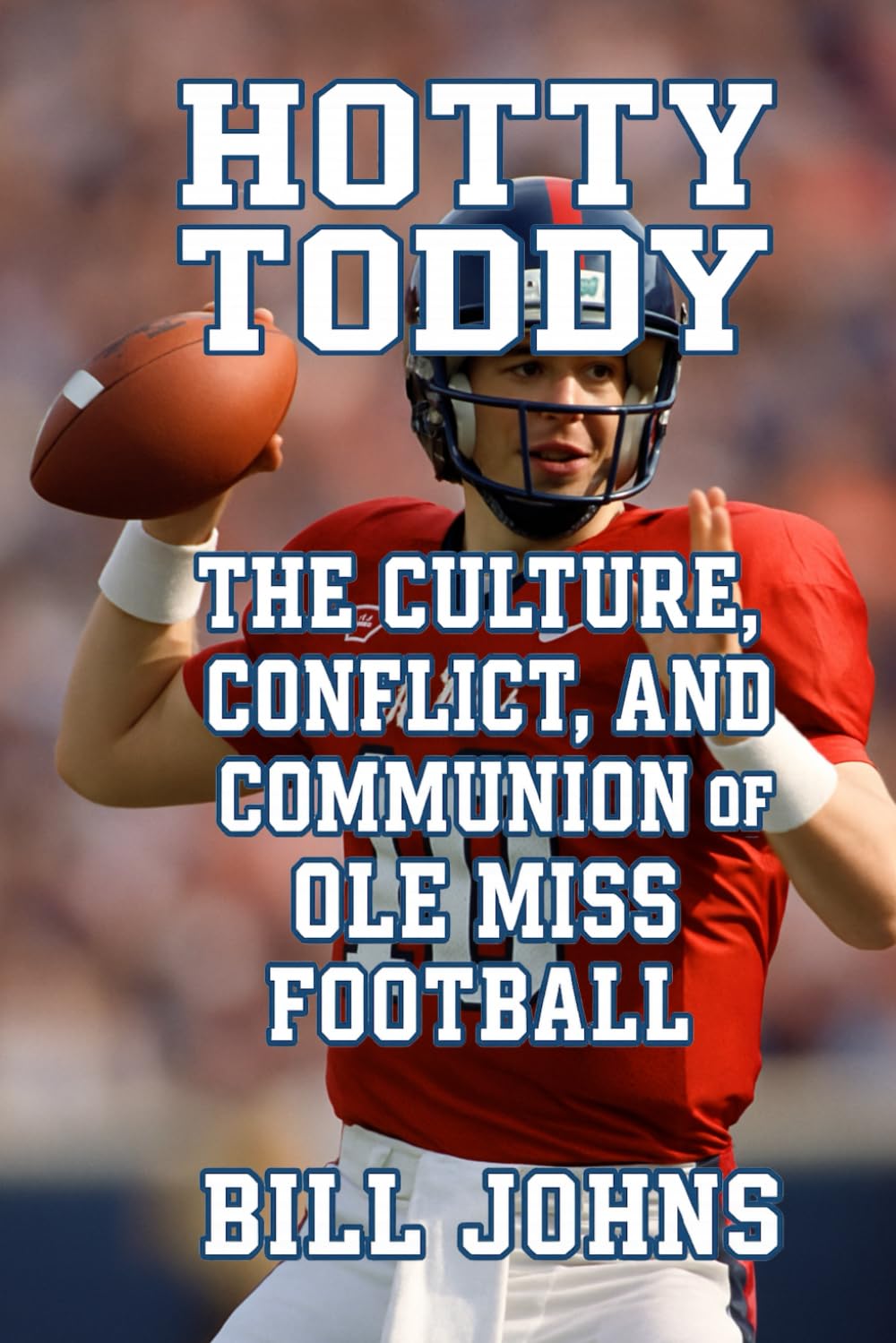
Hotty Toddy: The Culture, Conflict, and Communion of Ole Miss Football is a sweeping cultural history of one of the South’s most storied programs. Blending SEC football, Southern identity, and the rituals of Oxford Saturdays, this book examines how Ole Miss has become more than a team—it is a mirror of history, tradition, and transformation. From The Grove’s iconic tailgates to the echoes of Archie and Eli Manning, from James Meredith’s stand for civil rights to Chucky Mullins’s courage, the Rebels’ story is inseparable from the larger American story. The University of Mississippi has always stood at the crossroads of pageantry and paradox. Saturdays in Oxford shimmer with beauty—oaks and magnolias shading fans in red and blue, sororities and families gathering for rituals that feel as sacred as church. Yet beneath the surface lies a history of conflict and memory: the adoption of the Rebels name, the shadow of the Lost Cause, and the contested symbols that made Ole Miss both beloved and controversial. The stadium and the campus became stages where football victories carried the weight of identity, and defeats exposed fractures in the state’s soul. This book traces the arc of Ole Miss football from its beginnings on the gridiron through the John Vaught years of dominance in the 1950s and 1960s, when the Rebels claimed national glory even as Mississippi resisted desegregation. It lingers on 1962, when James Meredith’s admission to the university set off violent resistance even as the team marched to a perfect season, revealing the profound dissonance of a school wrestling with its place in a changing nation. The narrative moves forward to the Grove—the nation’s most famous tailgating tradition—where hospitality, fashion, food, and spectacle transformed college football into a ritual of communion and identity. From the Egg Bowl to fierce showdowns with LSU and Alabama, rivalries have defined the Rebels as much as championships. The Manning name became a national bridge, with Archie’s legend in the 1970s and Eli’s resurgence in the 2000s linking generations of fans. The tragedy of Chucky Mullins in 1989, his resilience, and the creation of the Courage Award re-centered Ole Miss football on values of perseverance and moral courage, reminding the nation that the spirit of one player could define an institution. The modern chapters explore sanctions, scandals, and resilience in the Hugh Freeze era, the shifting landscape of the SEC, and the bold arrival of Lane Kiffin’s “new Ole Miss,” with its blend of swagger and strategy. Symbols and songs—from Colonel Reb to the Landshark, from Confederate flags to the Hotty Toddy chant—reveal how belonging is negotiated through sound and image, and how traditions are contested even as they endure. Oxford itself becomes a character, transformed by the economic and cultural currents of game days, when alumni, students, and visitors remake the small town into a national stage. Hotty Toddy is not merely a football book—it is a meditation on the Southern imagination. In literature, film, and popular culture, Ole Miss has stood as both romantic spectacle and contested symbol, embodying the contradictions of the South itself. To write about Ole Miss football is to confront questions of heritage, race, identity, and belonging, all bound together by the cry that begins every game: “Are You Ready?” For readers who love SEC football, Southern culture, and sport, this book invites you to walk through The Grove, to hear the band strike its first note, to remember the moments that defined a program and a people. In the story of Ole Miss football lies a deeper reckoning with how communities preserve their past, confront their controversies, and carry forward their traditions. To enter this history is to enter a conversation about who we are when we cheer, when we remember, and when we choose to belong.