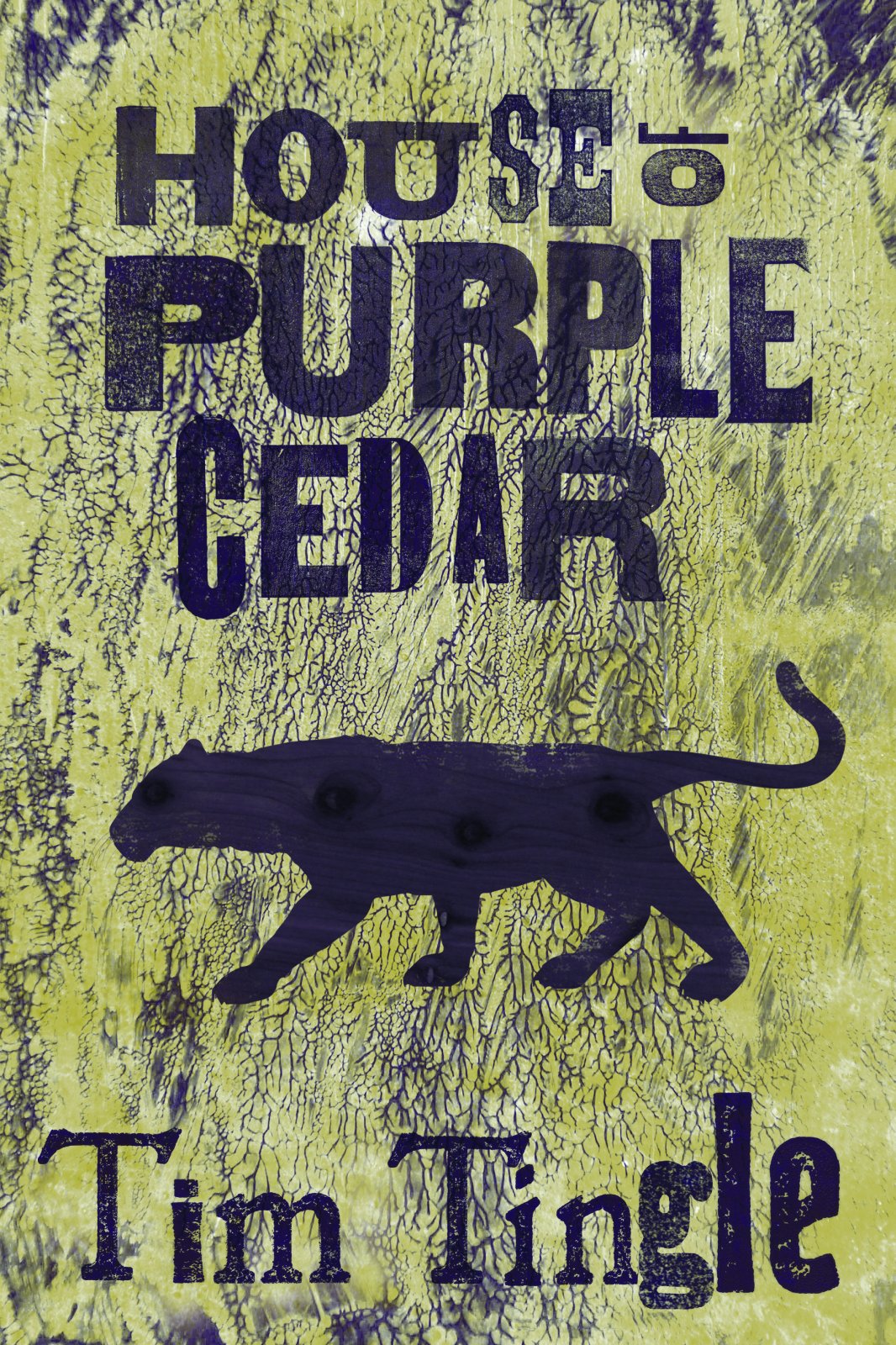



"The hour has come to speak of troubled times. It is time we spoke of Skullyville." Thus begins Rose Goode's story of her growing up in Indian Territory in pre-statehood Oklahoma. Skullyville, a once-thriving Choctaw community, was destroyed by land-grabbers, culminating in the arson on New Year's Eve, 1896, of New Hope Academy for Girls. Twenty Choctaw girls died, but Rose escaped. She is blessed by the presence of her grandmother Pokoni and her grandfather Amafo, both respected elders who understand the old ways. Soon after the fire, the white sheriff beats Amafo in front of the town's people, humiliating him. Instead of asking the Choctaw community to avenge the beating, her grandfather decides to follow the path of forgiveness. And so unwinds this tale of mystery, Indian-style magical realism, and deep wisdom. It's a world where backwoods spiritualism and Bible-thumping Christianity mix with bad guys; a one-legged woman shop-keeper, her oaf of a husband, herbal potions, and shape-shifting panthers rendering justice. Tim Tinglea scholar of his nation's language, culture, and spiritualitytells Rose's story of good and evil with understanding and even laugh-out-loud Choctaw humor. Tim Tingle , responding to a scarcity of Choctaw literature, began interviewing tribal elders in the early '90s. His collection Walking the Choctaw Road was the Oklahoma Book of the Year. Tingle's children's book, Crossing Bok Chitto , garnered over twenty state and national awards, including Best Children's Book from the American Indian Library Association, and was an Editor's Choice in the New York Times Book Review . Gr 9 Up—Tingle takes us to the Oklahoma Territory of the late 1800s. While on an outing with her family, 11-year-old Rose watches as her grandfather Amafo is beaten by Marshall Hardwicke for no apparent reason. Instead of retaliating, Amafo goes home, only to return to town the next day to meet Marshall eye-to-eye. His nonviolent approach is disconcerting for the Marshall, who cannot let it lie and is determined to avenge his anger at what he considers to be an affront. Readers learn about the Choctaw way of life as they follow Rose as she tries to make sense of the Marshall's violence. Tall tales and fabulous characters intersperse with a story that unfolds, highlighting the racial tension and violence that festers in the Marshall. Told in retrospect by Rose, this tale will transport readers back to the dusty plains where life is hard, and where racism allows acts that can scar a town, even as it brings it closer together. Give this suspenseful tale to teens who can handle a novel that jumps from one character and narrative to another.—Connie Williams, Petaluma High School, CA Set in pre-statehood Oklahoma (Indian Territory) in the final years of the nineteenth century, this novel travels from the poignant, even tragic, to the comic, while covering a community of Choctaw Indians and their white neighbors (nahullos), not excluding spirits. Tingle, Choctaw author of several children’s books and the story collection Walking the Choctaw Road (2003), is most sure-footed in the sections narrated by Rose, who as a child witnesses the 1896 New Year’s Eve burning of the New Hope Academy for Girls, causing the death of a deaf friend. Her tale begins, “Let us now talk of Skullyville,” the eastern Oklahoma town where, along with the larger community of Spiro, the action unfolds. Rose’s grandfather William Goode is attacked without provocation by the drunken town marshal, Hardwicke, an evil bully, who becomes the center of the story. Tingle portrays the townspeople’s actions credibly and brings the unique setting of Skullyville to life in this singular tale of vengeance, compassion, and redemption. --Mark Levine "Rose, a young Choctaw woman of the late 1800s, looks back on a dark episode from her childhood when the racism and fear that paralyzed a town are faced down by the steadfast confidence her grandfather has in the goodness of people to overcome hate. Told with superb storytelling and unforgettable characters." Debbie Reese, School Library Journal "An overarching message of forgiveness and love, underscored by themes of patience and resilience, takes House of Purple Cedar from historical to timeless. Readers won't need to be Oklahomans or history buffs to appreciate the book's intricate web of small town happenings and mystical realism. To enjoy this world, you need only an open heart and a love of great stories." Shelf Awareness I love this book. There is nothing else quite like it in its loving, clear-eyed description of a people, a time, and a place that are little-known to most. Humor, honesty, lyrical, poetic prose, it has it allincluding the voice of a true storyteller bringing it to vivid life. I think of it as a potential classic.” Joseph Bruchac, author of Code Talker In quiet, often poetic language drawn from nature’s images
the tale is ripe with symbolism and peopled by riveting cha