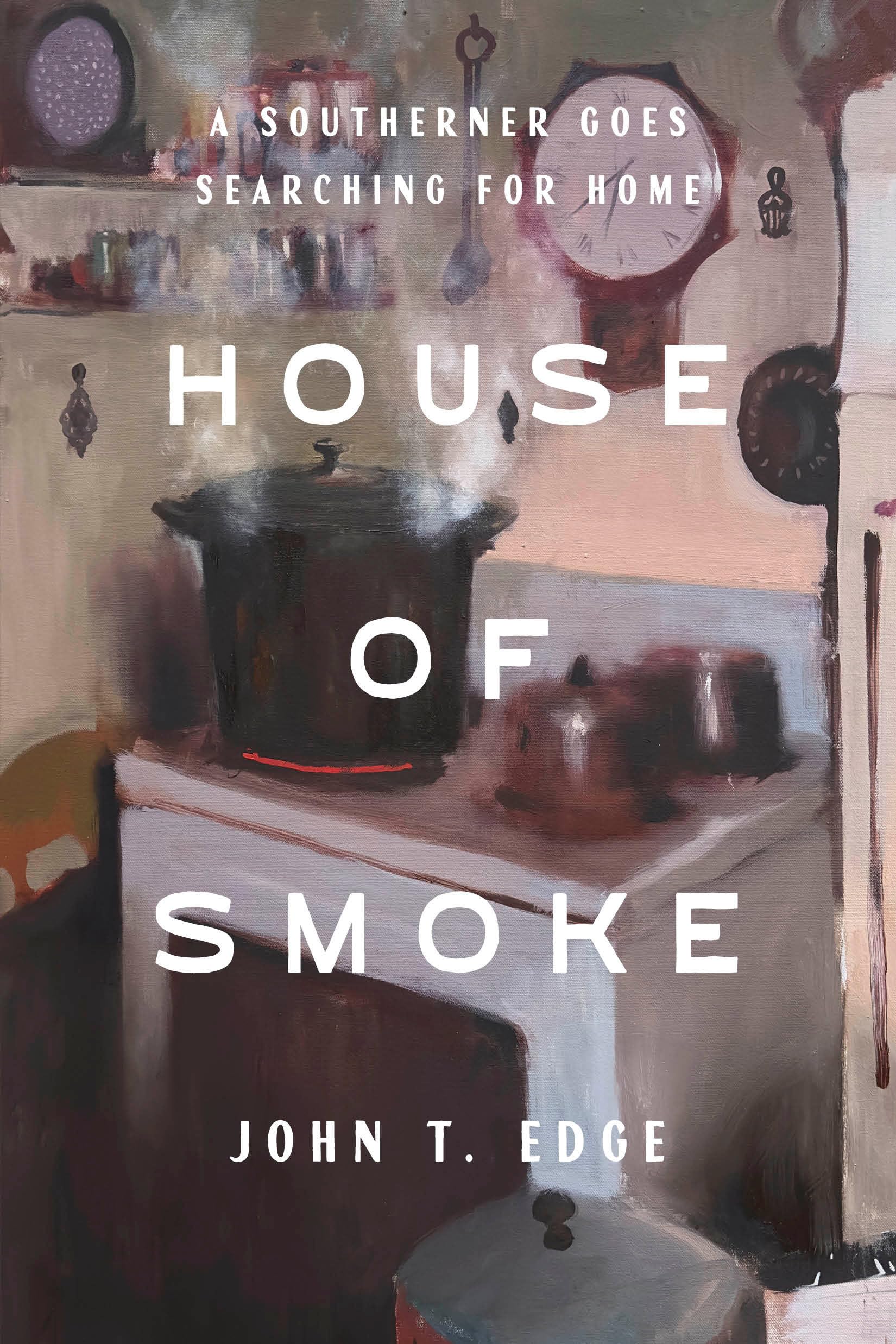



NATIONAL BESTSELLER • The author of The Potlikker Papers: A Food History of the Modern South tells his own story this time. Of growing up in a house wrecked by violence and a South haunted by racism. And of how his search for home led him to find escape and belonging through food. Until he realizes that gathering at the table is just one small step toward reckoning. “A story for all Americans on a path to self-awareness, honesty, and love.”—Wright Thompson, New York Times bestselling author of Pappyland and The Barn In this unflinching and moving memoir, John T. Edge takes us on a quest for home in a South that has both held him close and pushed him away, as he tries and fails and tries again to rewrite the stories he inherited. Born in a house where a Confederate general took his first breath and the Lost Cause narrative was gospel, troubled by the violence he witnessed as a boy, Edge ran from his past, searching for a newer and better South. As founding director of the Southern Foodways Alliance and a contributor to newspapers and magazines, he told stories that showcased those possibilities. In the process, Edge became one of the most visible and powerful voices in American food...until he found himself denounced by the audience he once guided, faced down the limits of his work, and returned to his origins to find himself once again. Beginning in Georgia and concluding in Mississippi, his search spans the Deep South and charts a very American story of the truth telling and soul searching it takes to love your people and your place. “John T. Edge has proven to be a deft and insightful chronicler of Southern ways and foodways. . . . Now he turns his probing eye on his own life in a moving memoir that sees him reckoning with growing up in a fascinating but difficult (and sometimes violent) environment, in a fraught South.” —Garden & Gun “Clear-eyed, bighearted, and beautifully written, this nourishing memoir offers readers plenty to chew on.” —Publishers Weekly “An insightful consideration of food, race and racism, and sins historical and contemporary.” —Kirkus Reviews “This is a story of one Southern man who has become a trusted and beloved voice, but it landed on me as the story of all Southern men—me, and you, and everyone we’ve ever known. House of Smoke is ultimately a story for all Americans on a path to self-awareness, honesty, and love.” —Wright Thompson, author of The Barn “John T. Edge refuses to allow himself or the reader the comfort of spectacle here. He does that Mississippi work and creates a lush, self-reflexive Southern monument that will last forever.” —Kiese Laymon, author of Heavy “Navigating the ingrained cultural tensions that haunt the South, John T. Edge reveals how pain distorts identity and success breeds unintended harm. This raw and honest portrait of self-discovery is a must-read for anyone who has ever questioned where they truly belong.” —Erick Williams, founder, Virtue Hospitality Group “Making no excuses for his ancestors, John T. Edge shines light on the troubled soils from which he grew, telling a story from the South that burns bright.” —Joe Kwon, cellist, The Avett Brothers “John T. Edge’s story lays open the collective soul of the South.” —Frank Stitt, author and chef-owner, Highlands Bar and Grill “ House of Smoke is a heart-wrenching reckoning of the truths that remain after the world you think you know—your home, your homeland, your life’s work, your very self—is reduced to ruins. More than a white Southerner’s quest to become fully awake to a past that will never be past, this book is a model for nurturing the new life that can rise out of the deepest ashes.” —Margaret Renkl, author of Graceland, at Last John T. Edge writes and hosts the Emmy Award-winning television show TrueSouth on the SEC Network, ESPN, Disney, and Hulu. Edge also writes a restaurant column for Garden & Gun. His 2017 book The Potlikker Papers: A Food History of the Modern South was named one of the best books of the year by NPR and Publishers Weekly. Edge serves the University of Mississippi as a teacher, writer-in-residence, and director of the Mississippi Lab. And he serves the University of Georgia as a mentor in their low-residency MFA program in narrative nonfiction. He lives in Oxford, Mississippi, with his wife, the artist Blair Hobbs. Chapter One Kudzu and Lies Grade school friends on sleepovers were my first audience. I stood before them in our dining room, my mouth full of battlefield stats, to tell a story that began long before I was born, with people I claimed as family because their lives gave luster to mine. I received strangers, too. Drawn to our home by the historical marker out front, they drove our gravel drive, expecting to find costumed interpreters from Colonial Williamsburg. An only child who wanted an audience, I met them on the patio, climbed atop an overturned washpot, and leaned into their expectations. The words on that ma