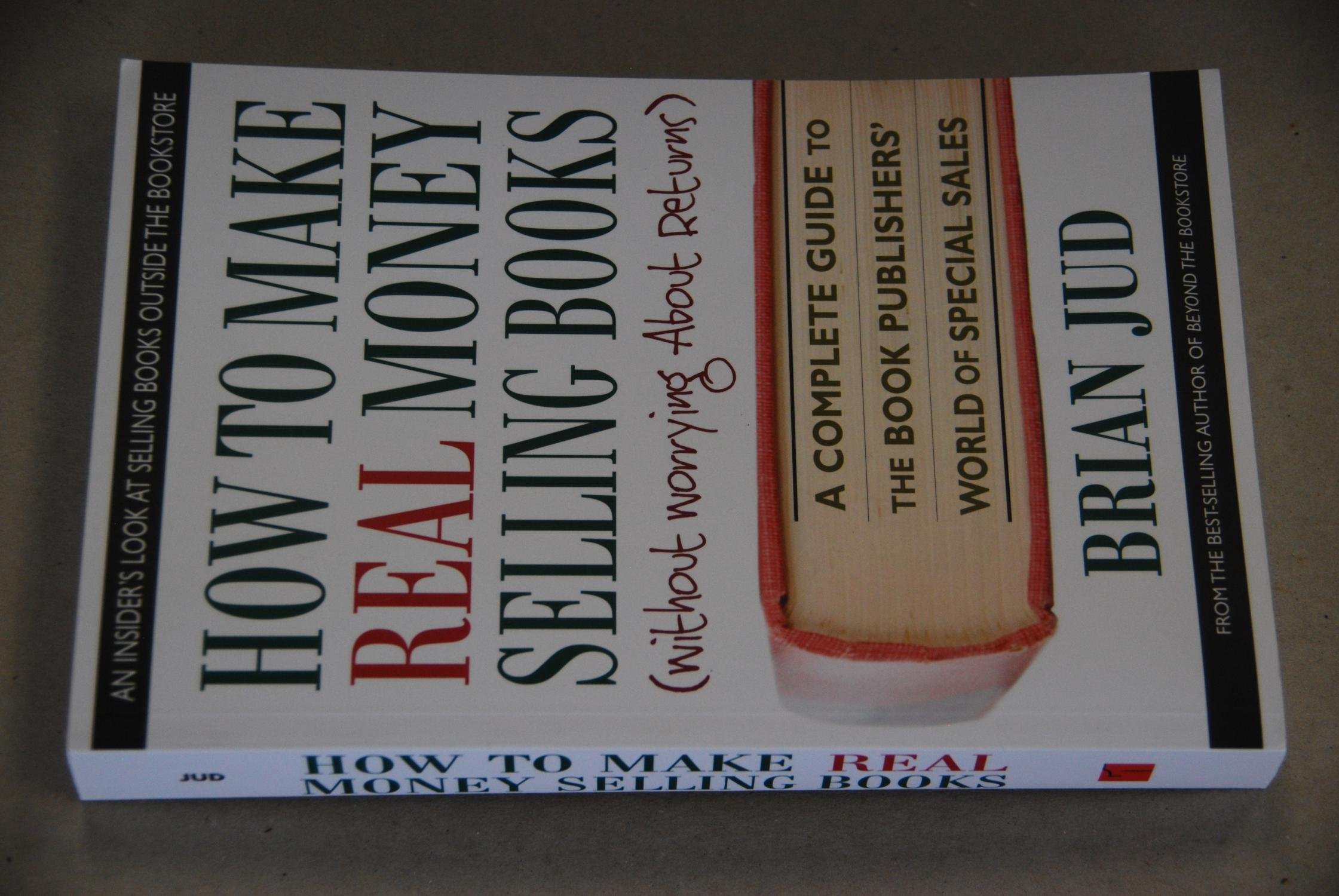



The worldwide book market generates almost $90 billion annually, and more than half of those sales are made in non-bookstore outlets such as discount stores, airport shops, gift stores, supermarkets, and warehouse clubs. How to Make Real Money Selling Books provides a proven strategy for selling books to these enterprises. You will learn about developing a product strategy, conducting test marketing, contacting prospective buyers, promoting your product, selling to niche markets, and much, much more. Brian Jud is president of Book Marketing Works, a consulting firm established to help independent publishers market their titles to non-bookstore outlets. He is host of the television series The Book Authority, and is a regular speaker on marketing topics at IBPA’s Publishing University. Book marketing is not what it used to be, nor what it could be. Publishers of all sizes are learning that limiting sales to bookstores―also called trade channels―may be the least effective and most costly way to sell books. This understanding has spawned a better way to market books―one that increases sales, revenue, and profits for those who take their products to people where they buy, rather than waiting for consumers to come to them. This technique is the essence of non-trade book marketing. Whether you are thinking about writing a book, have already written a book but have not yet started selling it, or are already selling your book to bookstores, How To Make Real Money Selling Books will help you understand all of the different non-trade marketplaces that exist. You will also learn that selling to non-trade markets should not be a separate or new way of doing business. Rather, it should be an integral part of your overall sales strategy. Non-trade marketing is put into practice in all three stages of the publishing process: writing, production, and marketing. First, you write information that consumers’ need and publish it in the form in which they want it. Then, you make it available where they shop (pet stores, gift shops, online, etc.), gather (seminars, libraries, etc.), or work (offices, schools, hospitals, etc.). The purpose of this book is to get you to think about how to sell your book to non-trade markets, and then to help you actually get started doing it. It begins by answering the question―What is non-trade marketing? It then goes into in-depth discussions about all of the different non-trade marketplaces―retail and nonretail― including what buyers look for and how to contact them. That information is followed by sales preparation advice, promotional ideas, and strategies for putting everything together. In short, this book provides information, strategies, examples, case studies, tips, and more that will make non-trade marketing accessible and profitable for you. You will read about new markets in which to sell your books, and also discover tried-and-true ways to reach them. To paraphrase Robert Kennedy, the most important thing to remember is to “Look where everyone else has been looking, but see what no one else has seen.” It sounds simple, and it is. But it is not easy. Persistence and determination are a must. The following list includes a few tips that will jump-start your non-trade sales journey: _ Focus on content and form. Some publishers believe the key to increased income is to publish as many books as possible. However, instead of worrying about the quantity of books you produce, find out how the people in your target audience want the information you have delivered―do they want it in a book, booklet, three-ring binder, DVD, or something else? Then, manipulate your existing content into those desired forms. A book may be the best way to communicate your information, but at least be open to considering new product ideas. An open book and an open mind have a lot in common―they can both stimulate your thinking in unknown areas. _ Work toward long-term results. The sales process for a large order to a non-trade outlet may take several years. Buyers may initially test your title, and then wait several months or even a year before placing an order. Rarely are people in as much of a hurry to buy your book as you are to sell it, so be patient. You may be thinking, “If I don’t make it through the short term, there won’t be a long term.” However, consider these points before hitting the panic button: _ There is more at stake for buyers purchasing in large quantities, and corporate buyers in particular want to buy from people they know. It takes time to build the relationships that lead to large orders. _ As you prioritize your list of potential buyers, a process that is described in 29. Qualify, Classify, and Prioritize Your List of Potential Buyers (page 225), plan to frequently sell small quantities to retailers while you work on the larger orders. This will hopefully generate some interim cash flow, but the axiom still holds true that people buy on their timelines, not yours. _ Eliminat