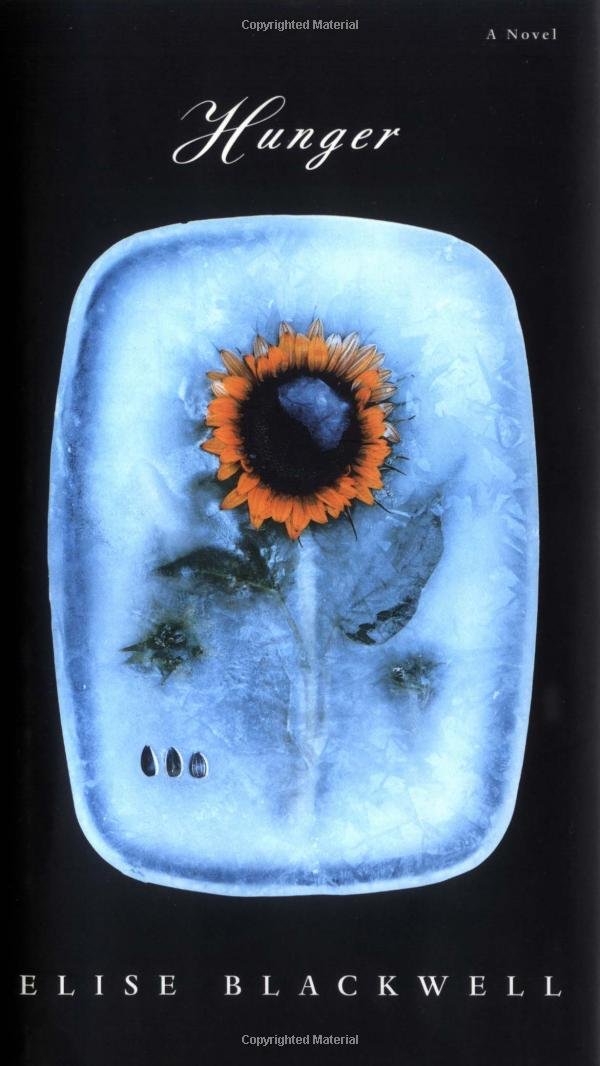



In the wake of the Siege of Leningrad in 1941, during which hundreds of thousands of people starved to death, a scientist charged with protecting a collection of rare seeds that could provide food is forced to make a terrible choice. An unnamed scientist, now safely ensconced in New York City, looks back at the "hunger winter" as German troops surrounded Leningrad in the fall of 1941. In a voice made weary by having seen the worst side of human nature, he describes the 900-day siege that left the city without food and its inhabitants desperate. His own colleagues, all of whom work for an institute that collects rare seeds, split into two groups: those who preserve their principles (including his quiet but steely wife, Alena) and those who use any means available to survive. When the institute's director is incarcerated for political crimes, Alena signs a petition in his defense while her husband begins to pilfer seeds from the collection to assuage his hunger. A man of large appetites, he also comforts himself by recalling his extensive travels before the war, the many exotic foods he sampled, and his numerous infidelities, all the while comparing his wife's brave idealism with his own sneaky pragmatism. Blackwell's debut is a lyrical, haunting story about the cost of survival. Joanne Wilkinson Copyright © American Library Association. All rights reserved "...a lucid, serene style, which contrasts with her grim subject matter and increases its nightmarish quality .a profoundly disturbing reality" -- Wall Street Journal "...original and engrossing..." -- J. M. Coetzee, two-time Booker prize-winning author of Youth and Disgrace "A riveting fictional account, based on real events... a poignant look at a wrenching period of history." -- Chicago Tribune "A striking debut... A wrenching existential drama that Blackwell handles with spare prose and abundant compassion." -- Elle "An exquisite little book . . . Blackwell craftily weaves history and botany through this utterly devourable narrative . . . a multicolored treat." -- Los Angeles Times, 5/4/03 "Insightful and gripping... Hunger examines both the limitations and the possibilities of the human character... Fascinating." -- San Francisco Chronicle "[A] spare, searing first novel...a finely angled vision into hell, a spare portrait of the banality of survival." -- Philadelphia Inquirer "An exquisite little book . . . Blackwell craftily weaves history and botany through this utterly devourable narrative . . . A multicolored treat." (-Los Angeles Times, 5/4/03). "[A] spare, searing first novel . . . a finely angled vision...a spare portrait of the banality of survival."( -Philadelphia Inquirer, 4/13/03). "...a lucid, serene style, which contrasts with her grim subject matter and increases its nightmarish quality....suggests a profoundly disturbing reality" (-Wall Street Journal, (7/25/03) The daughter of botanists, Elise Blackwell holds an M.F.A. in fiction from the University of California, Irvine. Originally from southern Louisiana, she now lives in Princeton, New Jersey.