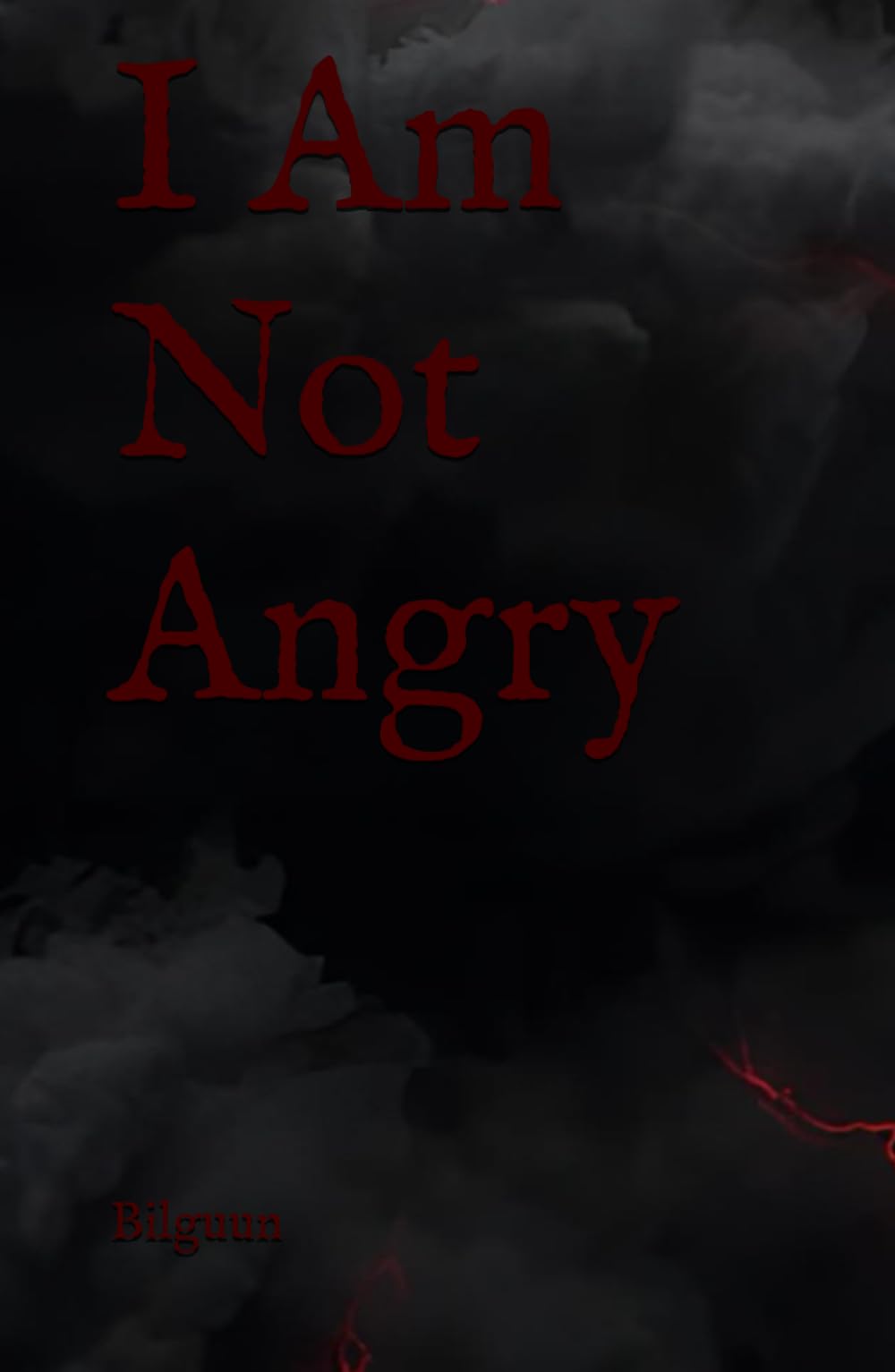



Anger and Rage is a philosophical, psychological, and darkly humorous exploration of our most volatile emotions—the unruly twins that crash through the front door of reason, overturn the furniture, and demand to be heard. It begins with an audacious premise: anger is not a flaw in our humanity, but a fiery expression of it. It is the cracked bell that tolls “I matter,” the spark that lights both protest and destruction. The book invites readers into a kind of emotional salon where Stoics, poets, revolutionaries, and neuroscientists all share the same bottle of wine. Marcus Aurelius grits his teeth through bureaucratic absurdity; Seneca sighs over human folly; Aristotle attempts to quantify the correct dosage of outrage, as if emotions were medicine. Yet amid this philosophical theatre, the author’s voice stays modern, sharp, and unflinchingly funny: centuries of rational thought, it seems, can still be undone by a misspelled name on a coffee cup. Anger, the book argues, is a paradox—both a moral compass and a potential catastrophe. It can burn down empires of injustice, or it can simply burn down the kitchen. The difference lies in discernment: the art of knowing when your anger is a torch for truth, and when it’s just your ego with a matchbook. Through a blend of vivid storytelling and philosophical inquiry, the author dissects this tension, tracing anger’s evolution from primal survival instinct to moral emotion, and its degeneration into modern-day spectacle. Rage, by contrast, is anger’s ungoverned cousin—a freight train without brakes, a storm that mistakes destruction for release. It is anger gone deaf, no longer signaling what’s wrong but shouting down everything in its path. Yet even rage, the book suggests, hides within it a kind of wounded wisdom. It is what happens when our pain has been ignored for too long and decides, finally, to speak in flames. Across chapters that move from Stoic restraint to Buddhist detachment and Daoist flow, from psychology’s neural circuits to Audre Lorde’s righteous fury, the book explores anger not as a moral failure but as moral energy—an invitation to awareness and action. Lorde’s insights echo as a powerful counterpoint to ancient philosophy: that some anger is not madness but clarity, a refusal to accept silence where truth must be spoken. The narrative also turns its gaze to the absurd theater of modern life—our culture of performative outrage, digital mobs, and algorithmic fury. In an age where anger is monetized and rage is marketed, the book asks: what does it mean to feel authentically in a world that rewards reaction over reflection? The answer lies not in repression but refinement: to master anger, not by extinguishing it, but by learning how to tend its fire without letting it consume the house. With prose that moves between satire and sincerity, Anger and Rage becomes part philosophical treatise, part personal reckoning. It’s a reminder that wisdom doesn’t come from avoiding the fire—it comes from learning how to hold it. The book’s humor sharpens its insight, turning what could have been moral instruction into an elegant act of provocation: to laugh at our fury even as we study it, to see in its heat both our folly and our courage. In the end, this is not a book about silencing emotion—it’s about fluency. About learning to name what burns inside us with precision and grace, so that we may transform that raw, incandescent energy into understanding. Because the task is not to destroy the flame, but to master its light—to let anger illuminate what must change, and to let reason decide what must endure.