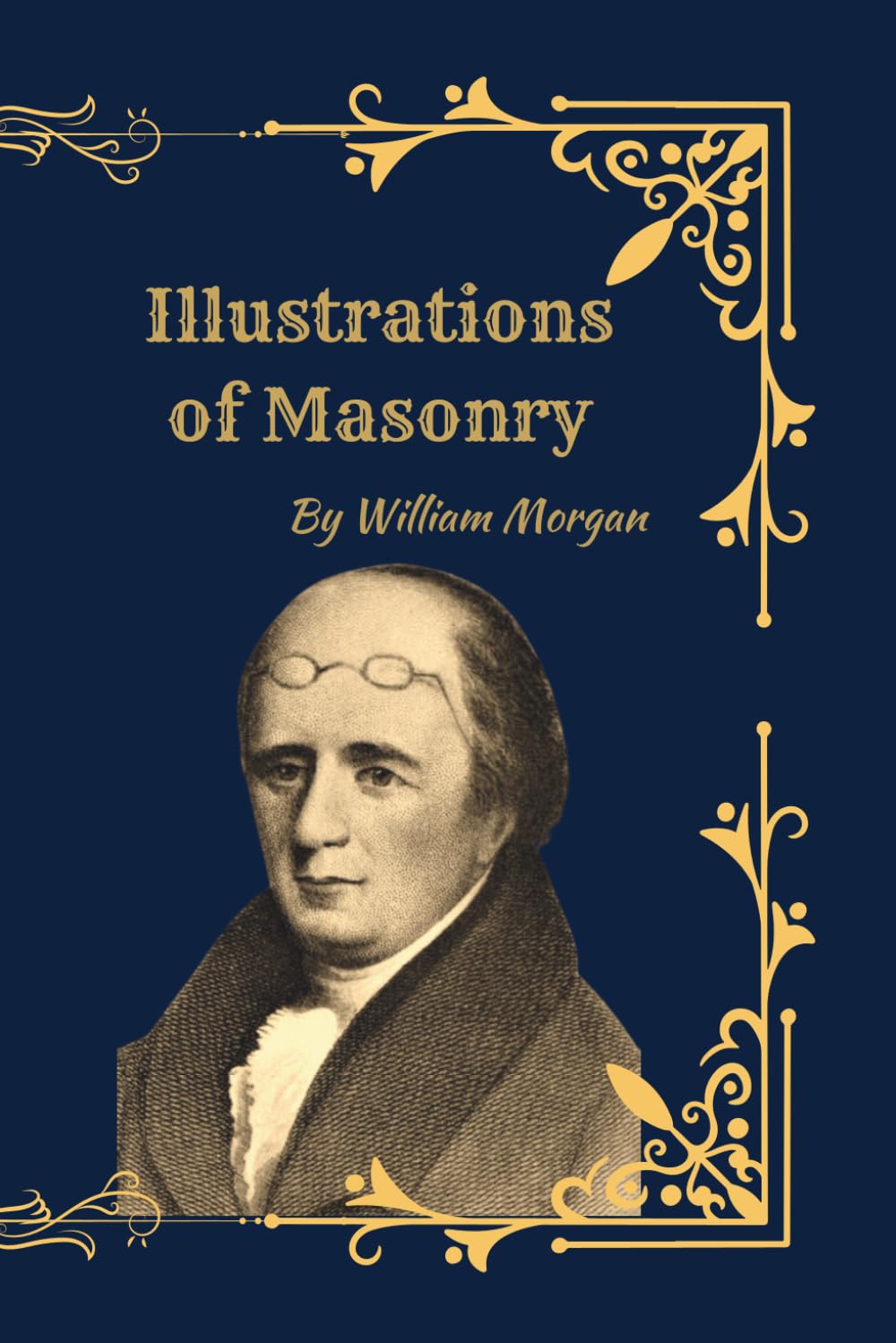
Illustrations of Masonry: (1827) The Exposé That Sparked the Anti-Masonic Movement in America
$12.99
by William Morgan



The Book That Shook American Freemasonry First published in 1827, Illustrations of Masonry by William Morgan remains one of the most controversial works in the history of Freemasonry. Morgan, a Freemason from Batavia, New York, became disillusioned after being rejected by his local lodge. In 1826 he announced plans to publish a book exposing Masonic rituals and secrets. Shortly before its release, he mysteriously disappeared . Three Masons were convicted of kidnapping him, and rumors of his murder ignited public outrage. The “Morgan Affair” gave rise to the Anti-Masonic Movement and even the formation of America’s first third political party — the Anti-Masonic Party , which contested the 1832 presidential election. Inside This Historic Text: The Rituals of Freemasonry — including details of grips, oaths, signs, and ceremonies as practiced in the early 19th century. - One of the First American Exposés — among the earliest detailed accounts of Freemasonry in the United States. - ⚖ The Legacy of Controversy — how a single book and a mysterious disappearance fueled decades of public suspicion. Why Read Illustrations of Masonry ? For Historians: A key primary source in American history and fraternal studies. For Freemasons: A record of rituals comparable to Duncan’s Monitor , offering historical insight. For General Readers: A gripping story of secrecy, scandal, and political fallout. “Whether Morgan was silenced or simply vanished, his book became one of the most influential and divisive publications in the history of American Freemasonry.” More than a ritual exposé, Illustrations of Masonry is a window into the early practices of American Freemasonry and the scandal that shook a nation .