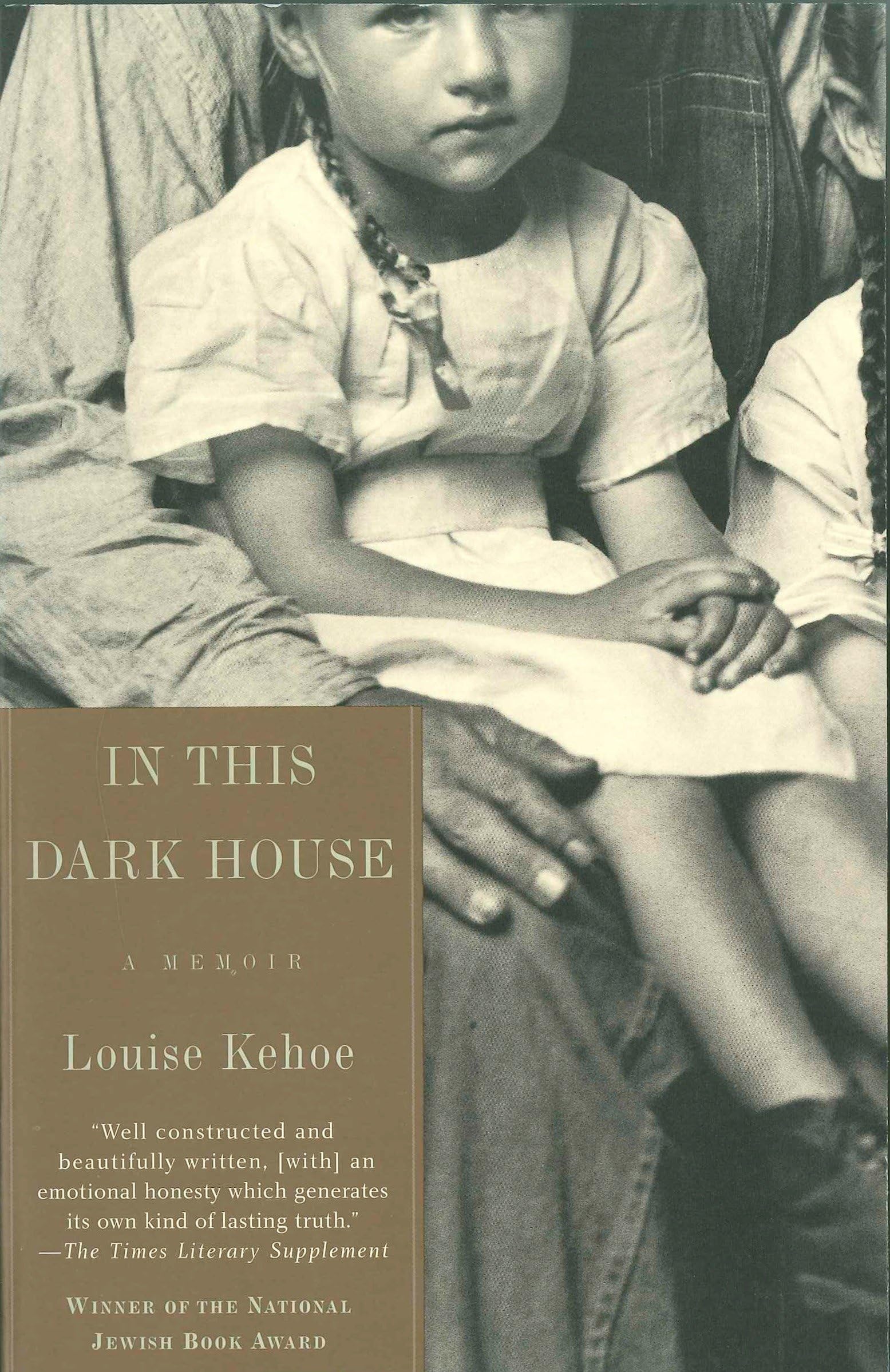



In 1939 the influential architect Berthold Lubetkin abruptly left his thriving career in London and dropped out of sight, moving with his wife to a desolate farm in rural Gloucestershire. Life in the house the Lubetkins named “World’s End” was far from idyllic for their three children. Louise Kehoe and her siblings lived in an atmosphere of oppressive isolation, while their tyrannical father—at times charming and witty but usually a terrorist in a self-styled Stalinist hell—badgered and belittled them during his fits of self-loathing. Even his true identity remained an enigma. That secret was never divulged during her father’s lifetime, but Louise’s quest to unearth its tragic origins—her relentless piecing together of the clues she found after his death—is a remarkable story, written with extraordinary grace, style, and imagination, of an identity and a heritage lost and found. *WINNER OF THE NATIONAL JEWISH BOOK AWARD* “A marvelously lucid account of a savage childhood, and of the family conspiracy that engendered it.” —Anita Brookner “Well constructed and beautifully written, [with] an emotional honesty which generates its own kind of lasting truth.” — The Times Literary Supplement “An astonishing, impossible-to-put-down page-turner of a book! Kehoe’s tale will elicit glimmers of recognition in anyone who has wondered how to go about freeing oneself from the world which begins at home.” —Daphne Merkin, author of Dreaming of Hitler “At once a memoir and a reminder of how the global and the intensely personal inextricable intertwine. An awesome an exhilarating tale.” —Carolyn See, author of The Handyman “Eloquent . . . As in the best fiction, the story ultimately makes a scramble of our easy moralizing. This memoir . . . transcends its own form, becoming a testament to the ways in which historical ills sicken the individual soul.” — Newsday In 1939 the influential architect Berthold Lubetkin abruptly left his thriving career in London and dropped out of sight, moving with his wife to a desolate farm in rural Gloucestershire. Life in the house the Lubetkins named "World's End" was far from idyllic for their three children. Louise Kehoe and her siblings lived in an atmosphere of oppressive isolation, while their tyrannical father—at times charming and witty but usually a terrorist in a self-styled Stalinist hell—badgered and belittled them during his fits of self-loathing. Even his true identity remained an enigma. That secret was never divulged during her father's lifetime, but Louise's quest to unearth its tragic origins—her relentless piecing together of the clues she found after his death—is a remarkable story, written with extraordinary grace, style, and imagination, of an identity and a heritage lost and found. In 1939 the influential architect Berthold Lubetkin abruptly left his thriving career in London and dropped out of sight, moving with his wife to a desolate farm in rural Gloucestershire. Life in the house the Lubetkins named "World's End" was far from idyllic for their three children. Louise Kehoe and her siblings lived in an atmosphere of oppressive isolation, while their tyrannical father--at times charming and witty but usually a terrorist in a self-styled Stalinist hell--badgered and belittled them during his fits of self-loathing. Even his true identity remained an enigma. That secret was never divulged during her father's lifetime, but Louise's quest to unearth its tragic origins--her relentless piecing together of the clues she found after his death--is a remarkable story, written with extraordinary grace, style, and imagination, of an identity and a heritage lost and found. LOUISE KEHOE is a writer and garden designer who lives in New Hampshire. In This Dark House won the National Jewish Book Award in 1995 and, in the United Kingdom, the Jewish Quarterly –Wingate Prize in 1997. Chapter 2 The dirt road leading to Upper Killington was knee-deep in mud when my parents moved into World’s End in the winter of 1939, and the moving van could not get down to the valley. Instead, it had to be unloaded at the top of the hill and the contents ferried laboriously to the house on a tractor and trailer driven by one of the local farmers, a mountain of a man by the name of Alf Chapel. This was only the first of Alf’s many kindnesses. Alf knew every inch of Upper Killington like the back of his hand: he had been born in the very house in which he was now raising a family of his own, and his father and grandfather had farmed the same land before him. It was extremely rare in those days for ownership of a farm to change other than by family succession, and talk about the newcomers at Upper Killington had long preceded their rather undignified arrival. Alf has heard his fair share of rumors and speculation; sitting around the fire in the pub with the other local farmers he had listened as the gossiped their stories growing taller and taller under the influence of the landlor