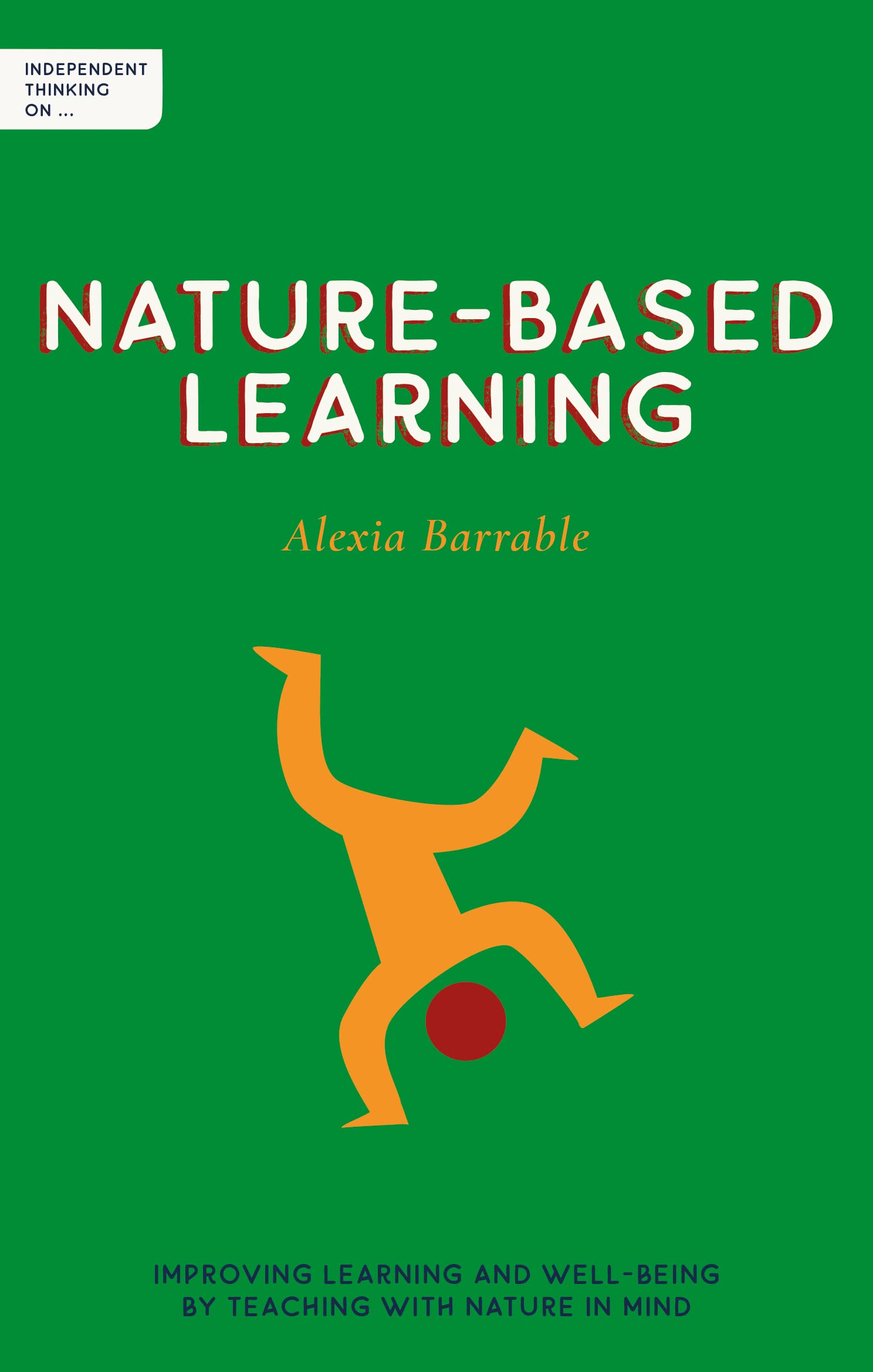
Independent Thinking on Nature-Based Learning: Improving learning and well-being by teaching with nature in mind
$14.99
by Alexia Barrable



Foreword by Ian Gilbert. At a time of unprecedented challenges in relation not only to the climate crisis but also to children's and adolescents' mental health, connecting to nature offers an accessible and desirable way forward for today's learners - especially those living in urban surroundings. Bringing together evidence from psychology, environmental science and education, Alexia aims to support teachers as they provide meaningful experiences rooted in learning about and through nature. The book can be used in two ways: to inspire individual sessions in nature, or to support teachers in building a cohesive outdoor-learning curriculum throughout the school. Featuring practical advice, case studies and discussion of original theory, the book aims to inspire, motivate and stimulate educators to engage with alternative approaches to teaching in the outdoors and with nature in mind - and in such a way that promotes students' learning and fosters a long-lasting relationship with nature. Independent Thinking on Nature-Based Learning shares case studies and examples of good practice from a variety of settings - ranging from kindergarten to secondary. Detailing the physical and psychological benefits of being outdoors, the book suggests ways to help build young people's connection with nature and support their autonomy in naturalspaces. Alexia offersideas on how to weave nature and the outdoors into the very fabric of the curriculum - for example, in relation to art, literature and technology. Suitable for teachers and outdoor-learning leaders in early years through to secondary schools. Independent Thinking on Nature-Based Learning is one of a number of books in the Independent Thinking On seriesfrom the award-winning Independent Thinking Press. ; Written by Dr Alexia Barrable, Independent Thinking on Nature-Based Learning: Improving learning and well-being by teaching withnature in mind is an engaging and insightful take on how educators can deliver more outdoor- and nature-oriented learning opportunities for the benefit of their pupils' mental and physical well-; I loved reading this book! Not only is it accessible and engaging, it offers support and challenge to educators in considering, and adopting, nature-based practice. It is an invitation to become part of a conversation; a movement, a culture shift, where we relearn to be part of nature - not apart from nature. Full of provocations, tips and examples, this book is sure to become an essential addition to the practitioner toolbox. Mairi Ferris ; Dr Alexia Barrable's book is not the first that aims to address our deteriorating relationship with the other-than-human world. But not many books manage to both inspire and educate in the way that this one does. Dr Barrable draws the reader effortlessly into the depths of thought needed without using jargon or overly complicated narrative. It is a text that will be useful to teachers, lecturers, students, parents, carers and anyone who would like to learn more about how and why we should help our children feel more connected to nature. Drawing on her vast experience as a teacher, lecturer and mother, and as the daughter of a committed naturalist, Dr Barrable delivers expert advice on how we can help children cultivate a love for the natural world. Her key message is that we cannot connect to nature just by being in contact with it. She shows how empathy and compassion need to be nurtured whilst also referencing a range of published research that demonstrates the significance of an improved relationship with nature. It is the combination of tried and tested practical examples, linked to relevant academic research, that makes this book such a gem for educators and anyone interested in igniting and developing children's love of nature. The book is organised around common educational themes, using accessible case studies as examples, so that the reader m Alexia Barrable's timely book concisely takes us through the multitudinous benefits of regular contact with the natural world. The book is aimed at educators of children, but the content contains valuable lessons for us all. This is in the form of citing research on brain function and behaviour which illustrates why these benefits accrue but, just as importantly for teachers, there are many practical examples to show them how and why access to nature is vital, both inside and outside the classroom. Before plunging the reader into the delights of being immersed in nature, Alexia gives a thought-provoking overview of how and why most 'modern' humans have become divorced from the natural world and the damaging consequences of this. She argues that it's not a case of 'getting back to nature' because we are inextricably part of it. Within this, she decries the notion that nature should be seen as an external pristine and unspoilt entity but rather something that we should notice, study and celebrate even in the most urban of circumstances. The subject matter is comple