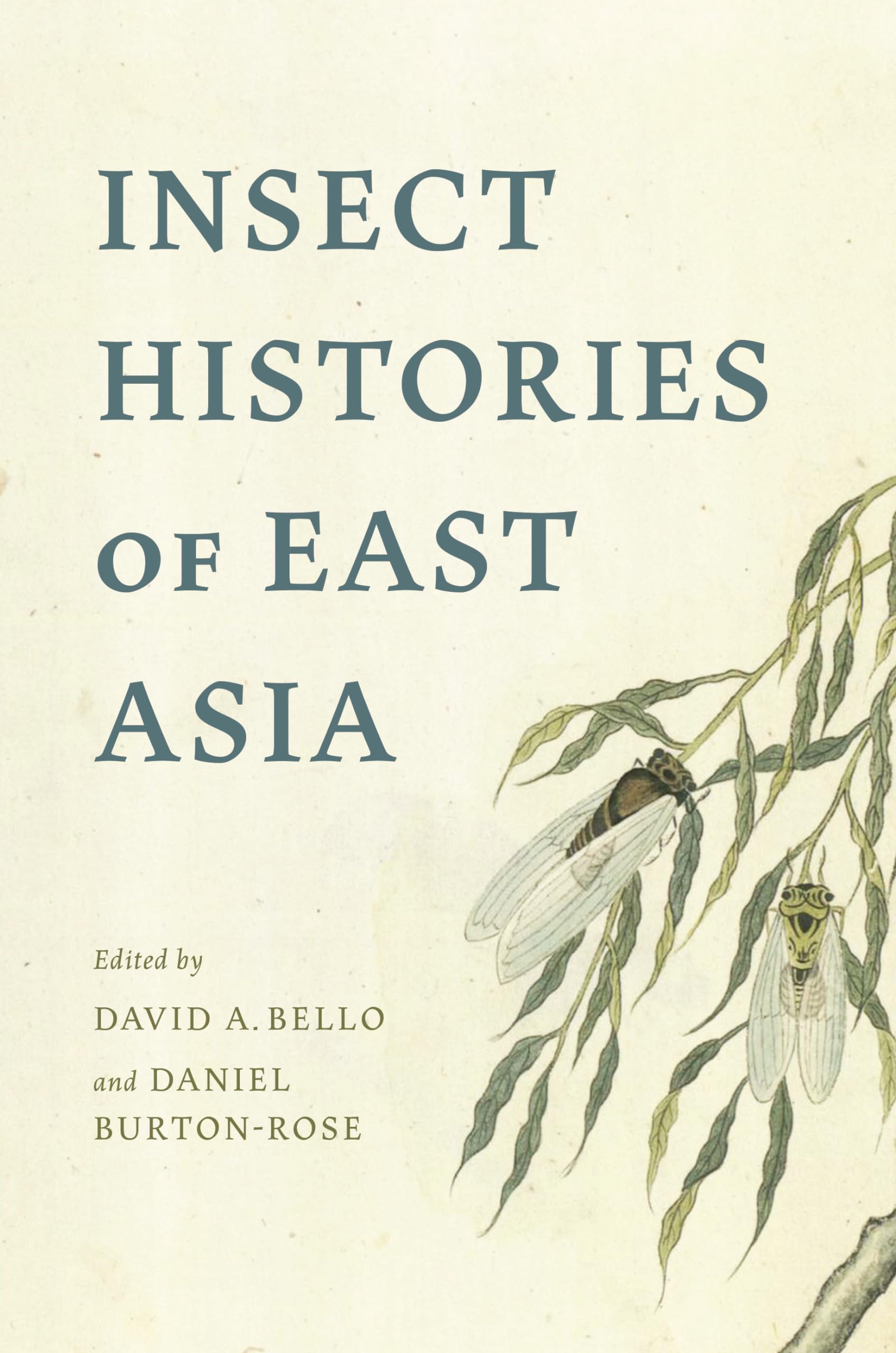



Spotlights insects in Chinese, Japanese, and Korean history from the exalted to the despised Interactions between people and animals are attracting overdue attention in diverse fields of scholarship, yet insects still creep within the shadows of more charismatic birds, fish, and mammals. Insect Histories of East Asia centers on bugs and creepy crawlies and the taxonomies in which they were embedded in China, Japan, and Korea to present a history of human and animal cocreation of habitats in ways that were both deliberate and unwitting. Using sources spanning from the earliest written records into the twentieth century, the contributors draw on a wide range of disciplines to explore the dynamic interaction between the notional insects that infested authors' imaginations and the six-legged creatures buzzing, hopping, and crawling around them. "An important contribution to the historical study of human-animal relations in East Asia that will appeal to a wide range of readership in East Asian studies, environmental history, and the history of science."―He Bian, author of Know Your Remedies: Pharmacy and Culture in Early Modern China "This work of 'insect humanities' is grounded in the broad Chinese concept of 'chong' rather than the more narrow English term 'insect,' a useful distinction that could see this volume become a foundational text for the field."―Kathlene Baldanza, author of Ming China and Vietnam: Negotiating Borders in Early Modern Asia "This fascinating book illuminates myriad hidden relations between humans and our six-legged cousins. The unexpected stories told within its pages add new life to our understanding of East Asia's history."―Edward D. Melillo, author of The Butterfly Effect: Insects and the Making of the Modern World "This volume succeeds in demonstrating both the scale and relevance of insects in an East Asian context."― Animal History "An insightful, thought-provoking volume, of great value to East Asianists, entomologists and environmental historians, among others."― Pacific Affairs "This collection is cause for celebration among specialists in East Asian studies, science and technology studies, and animal studies."― Journal of Chinese History Spotlights insects in Chinese, Japanese, and Korean history from the exalted to the despised David A. Bello is E. L. Otey Professor of East Asian Studies and director of East Asian studies at Washington and Lee University. His most recent book is Across Forest, Steppe, and Mountain: Environment, Identity, and Empire in Qing China’s Borderlands . Daniel Burton-Rose is visiting assistant professor of history of science, technology, and the environment at Wake Forest University. He is East Asia editor of the journal Asian Medicine . Contributors: Lijing Jiang, Olivia Milburn, Sang-ho Ro, Mårten Söderblom Saarela, Kerry Smith, and Federico Valenti