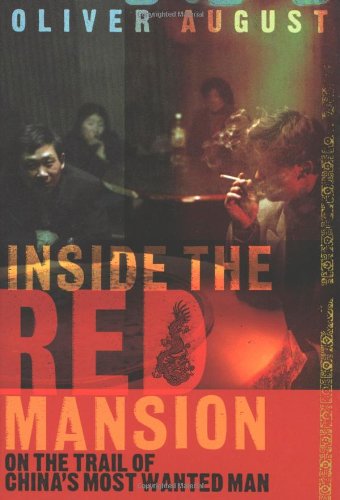



In an effort to understand and assess the forces and factors transforming modern China, a journalist joins the search for China's most wanted man, Lai Changxing, an illiterate tycoon and self-made billionaire on the run from corruption charges. In 1999, Chinas Public Enemy No. 1 was "Fatty" Lai Changxing, an illiterate rice farmer turned real-estate and shipping mogul who fled the country, accused of heading a multibillion-dollar smuggling ring. This account, by a former Beijing bureau chief of the London Times, casts Lais rise and fall as a cautionary tale of boomtown China. The author tours the remains of Lais empirea film studio built as a replica of the Forbidden City; a posh brothel where he bribed Party officials with the company of "Miss Temporarys"but he reserves his most vivid prose for the "fakers and fortune seekers, oddballs and outlaws" he meets along the way: canny dance-hall girls, magnates of karaoke and foie gras, an "honesty doctor" who treats patients in a public park. His portraits are so lively that when Lai is finally arrested, at a casino in Niagara Falls, its almost incidental. Copyright © 2007 Click here to subscribe to The New Yorker Assigned to the London Times' Beijing bureau in 1998, August was initially confounded by how to describe the contradictions of "New China" as the nation lunges chaotically toward capitalism. The author finds his angle in the mysterious figure of Lai Changxing, a colorful car importer turned real-estate tycoon who made billions through smuggling and other nearly legal enterprises before the Chinese government declared him a criminal and forced him into hiding. Finding Lai's story to be representative of a broader trend in Chinese capitalism, whereby liberalization occurs not through the government's deliberate relaxation of controls but through the efforts of "outlaw entrepreneurs" getting away with anything they can, August seeks out people who can teach him about Lai. In doing so, he meets a fascinating array of peoplevillage entrepreneurs, hostile local bureaucrats, and a nightclub madamand ponders broader questions, such as how an authoritarian state can loosen control without losing control. Although susceptible to a sort of journalistic adventurism and fixated somewhat on the exoticism of his surroundings, August deserves praise for getting outside of the big cities to provide a candid glimpse of local entrepreneurs in a changing China. Driscoll, Brendan Oliver August spent seven years in China as the Beijing bureau chief for the Times of London. He was previously the papers youngest-ever New York correspondent. He now reports from the Middle East.